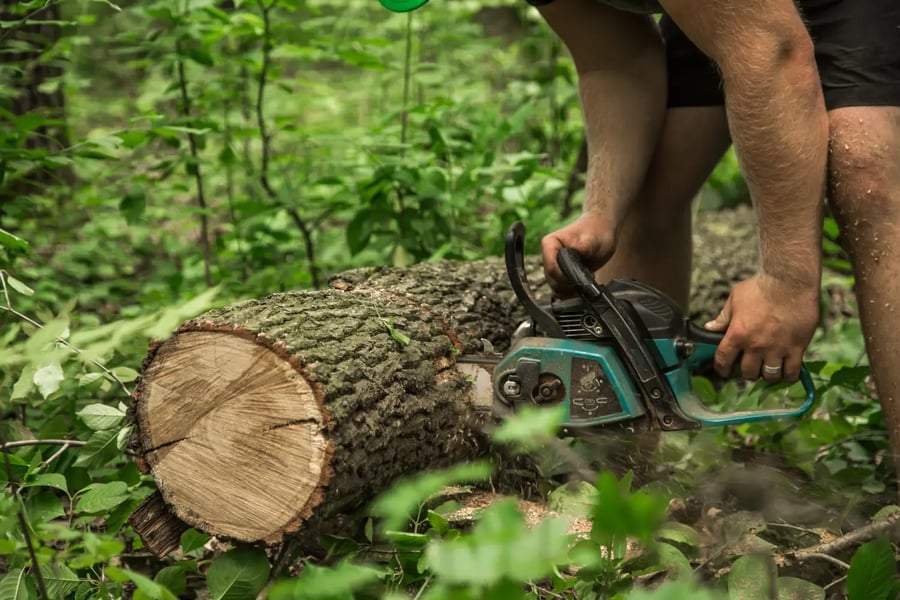
Removing a tree is often a necessary step when dealing with storm damage, disease, overcrowding or safety concerns on your property. However, many homeowners are surprised to learn that the job does not end once the tree is taken down. In fact, what comes next is just as important as the removal itself because it determines how your yard recovers and how you can safely use the space moving forward. From stump removal to soil restoration, each step ensures your property remains safe, functional and aesthetically appealing. Understanding these next steps can also help you avoid unexpected problems such as regrowth, pest infestations, or uneven ground. Taking the right approach after tree removal in Redmond, WA, protects your investment and enhances the long-term value of your property.
- Stump Removal or Grinding
After a tree is cut down, the stump remains and this is often the first issue homeowners must address. Leaving a stump can lead to several problems, including pest infestations from termites, carpenter ants and fungi. It can also cause regrowth, where shoots sprout from the stump and create maintenance challenges. Stumps are also tripping hazards that make landscaping and mowing more difficult. Choosing between full stump removal and stump grinding ensures your property is safe, smooth and ready for new landscaping projects.
- Root Management and Soil Preparation
Tree roots can extend far beyond the trunk and even after removal, they may continue to cause complications. Leftover roots can interfere with new plantings, damage underground pipes, or shift sidewalks and driveways. Preparing the soil by removing large roots and filling holes with nutrient-rich soil is essential for recovery. This step creates a stable foundation for grass, shrubs, or replacement trees. Proper soil preparation also improves drainage and prevents long-term issues that can impact your landscaping plans.
- Lawn and Landscape Restoration
Once the tree and stump are gone, the affected area often looks bare or uneven. Restoring your lawn is an important part of bringing balance back to your yard. Many homeowners choose to reseed grass, lay sod, or create new garden beds where the tree once stood. This enhances curb appeal and ensures your property remains attractive. Adding mulch, shrubs, or ornamental plants can transform the cleared space into a new focal point. Proper restoration makes the removal look intentional rather than leaving behind a patchy or neglected area.
- Safety and Property Inspection
It can sometimes reveal hidden damage to surrounding structures, soil stability, or nearby landscaping. It is wise to inspect fences, driveways and roofs for any signs of impact caused by falling branches or shifting soil. Checking for power line clearance is also important if the tree was located near utilities. A professional inspection from Cascade Tree Services can highlight issues that may not be obvious but could become costly if left untreated. By addressing these problems promptly, you protect your property from long-term damage. This step also ensures that the area is safe for children, pets and outdoor activities.
- Planning for Replacement Planting
Trees are valuable assets to any property, providing shade, privacy and environmental benefits. After removal, you may want to consider planting a new tree to replace the one that was taken down. Selecting the right species for your climate and soil type is critical to long-term success. Homeowners should think about placement carefully, avoiding planting too close to structures, driveways, or power lines. Consulting with an arborist can help ensure the new tree thrives and enhances your property. Planting a replacement not only restores natural beauty but also contributes to the long-term health of the landscape.
Removing a tree may solve immediate concerns, but it is only the beginning of caring for your property. Addressing stumps, roots and soil health ensures that your landscape is safe and functional. Restoring your lawn and inspecting surrounding areas helps you avoid costly issues down the road. Planting new trees or enhancing your garden design allows you to turn the removal into an opportunity for improvement. By taking these next steps, homeowners can protect their investment while creating a property that looks beautiful and feels safe for years to come. Likewise, scheduling timely tree trimming in Redmond, WA, is also important.
Contact Cascade Tree Services, a trusted tree care and landscaping service today to plan your next steps and bring new life to your outdoor space. Call them at 425-530-9697 now to schedule an appointment.
FAQs
- Can I leave the stump after the removal?
Yes, you can leave a stump in place, but it often causes long-term problems such as pest infestations, fungal growth and regrowth of unwanted shoots. Stumps also create safety hazards and make lawn care difficult, which is why most professionals recommend stump grinding or removal.
- How long does it take for the ground to recover after removing a tree?
The recovery time depends on the tree size, root system and soil condition. In many cases, you can replant grass or install landscaping within a few weeks of stump removal. For larger trees, soil restoration may take longer, but with proper preparation, the area can support healthy growth again within a season.
Copyright © 2025 California Business Journal. All Rights Reserved.
For California Business Journal Disclaimers, go to /terms-conditions/.


