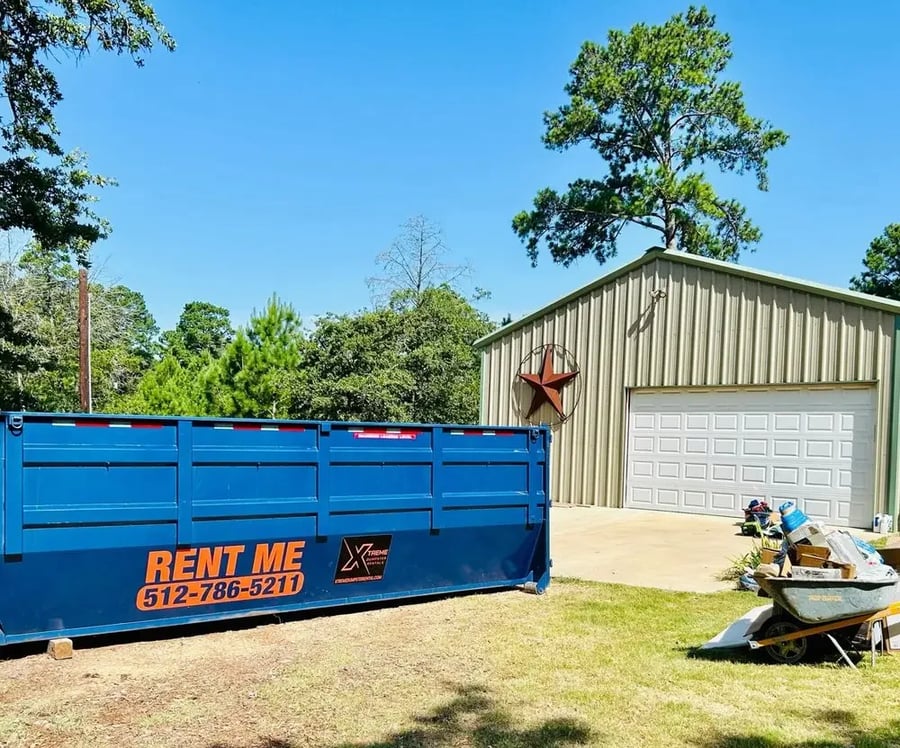
A dumpster rental makes a messy cleanout far less stressful once you know what can go inside before the bin arrives.
Most people book a roll-off container when they are already knee-deep in junk, broken furniture, old boxes, or remodeling debris.
Can the mattress go in? What about paint cans? Is the old carpet okay?
Before you toss everything into one pile, it helps to know the basic rules so you avoid extra fees, delays, or rejected items.
A little planning can save you money when using dumpster rentals for your cleanup.
Start With the Type of Project
The easiest way to figure out what belongs in the bin is to look at the project.
A garage cleanout is different from a kitchen remodel, and a roofing job is different from clearing storm branches.
When I helped a friend clean out his late uncle's storage unit, we assumed everything could go in one container.
Then we found old paint, car fluids, and mystery cans with faded labels, and those had to be handled separately.
The hard part is not always filling the bin — it is knowing what does not belong in it.
Items You Can Usually Toss In
Most general household junk is accepted.
That includes furniture, small appliances, toys, boxes, clothing, rugs, books, and other non-hazardous clutter.
Construction debris is also common, so wood, drywall, flooring, tile, cabinets, doors, and trim are often allowed.
Yard waste may be accepted too, including branches, leaves, grass clippings, and small logs.
Items With Special Rules
Some items are accepted but come with extra fees or limits.
Mattresses, box springs, and large upholstered furniture are bulky and often need special handling.
Appliances can be tricky too — washers and stoves are usually fine, but refrigerators and air conditioners may need special disposal for refrigerants.
Tires often need separate handling because many landfills reject them in regular loads.
What Should Never Go In
Hazardous waste does not belong in a standard roll-off container.
That includes paint, solvents, gasoline, motor oil, pesticides, batteries, pool chemicals, propane tanks, asbestos, and medical waste.
Wet paint is one of the most common mistakes, since people assume a can or two will not matter.
When in doubt, keep it out and ask about local disposal options.
Sort Before the Bin Arrives
Sorting sounds boring until you are standing beside a half-filled bin unsure about certain items.
Create three piles before the container shows up: approved junk, donation items, and restricted or questionable materials.
I once saw a neighbor toss everything in fast, then climb back in to pull out paint cans, batteries, and a propane tank.
Watch the Weight, Not Just the Space
A bin can look half empty and still be too heavy.
Concrete, brick, dirt, tile, and shingles add weight fast, which is why heavy debris often has special limits.
If you are removing a patio or replacing a roof, ask about weight restrictions before booking.
Keep the Load Level and Size Right
Most bins have a fill line, and nothing should stick above it.
Choosing the right size matters too, since booking too small means a second haul and too high costs more than needed.
Match the container to the job rather than reaching for the biggest one.
Final Thoughts
A rented bin is one of the easiest ways to handle junk removal, remodeling debris, and large cleanouts.
Dry, non-hazardous items are usually fine, while anything that can leak, burn, or contaminate should stay out.
Plan your piles, check the rules, watch the weight, and keep the load level to finish without surprise fees.
Copyright © 2026 California Business Journal. All Rights Reserved.
For California Business Journal Disclaimers, go to /terms-conditions/.


