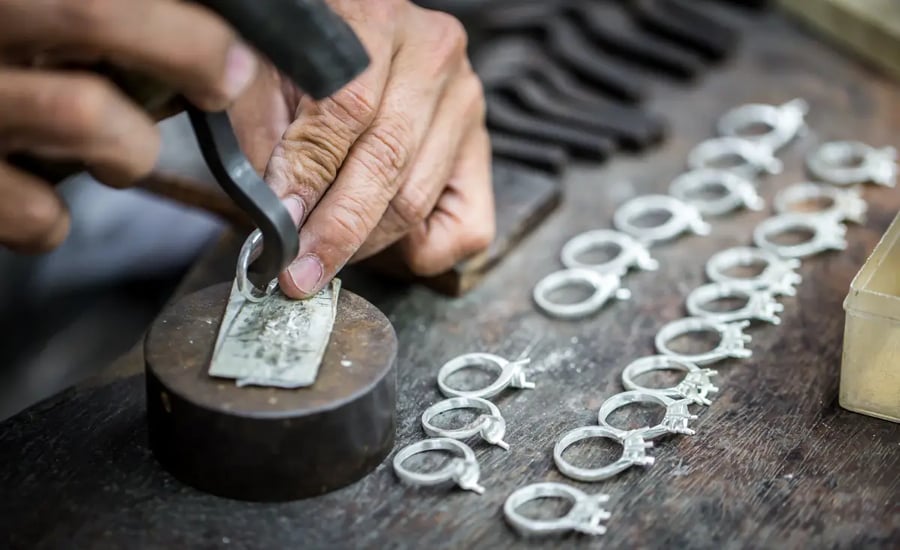
Welded jewelry has shifted from novelty to regular wear because it matches how people actually move through the day. Many want pieces that stay comfortable during work, exercise, sleep, and travel without a fiddly closure. That preference reflects more than style. It points to comfort, skin tolerance, and reduced daily handling, all of which matter for long-term use. For many wearers, a fixed chain feels simpler, steadier, and easier to live with.
Why Attention Is Shifting
Interest is moving away from clasps because daily routines reward simplicity. In many style-driven regions, layered chains, slim anklets, and forever welded jewelry in NJ are gaining notice as wearers choose pieces that stay secure through showers, commutes, sleep, and exercise. That choice reflects habit as much as taste. One small task disappears each morning, and the body feels less interrupted by constant fastening, removal, and readjustment.
Less Friction
Traditional closures often fail at inconvenient moments. Small hooks strain fingertips, spring rings loosen over time, and lobster clasps can open after repeated tension. Welded pieces remove that mechanical weak point. Fewer moving parts usually mean less snagging on clothing, less shifting against the skin, and fewer rushed repairs before leaving home. In practical terms, that reduction in friction helps a piece earn a permanent place in daily rotation.
Daily Wear Wins
Many people already treat jewelry as part of the body, rather than something reserved for special plans. A welded bracelet is well-suited to that habit. It stays in place during grocery runs, workouts, desk hours, and sleep without asking for repeated attention. Comfort matters here. Chains that do not twist open or catch on sleeves often feel calmer on the wrist, which can influence whether a person keeps wearing them.
Materials Matter
Long wear depends heavily on metal quality. Studios that use sterling silver or 14 karat gold-filled options usually appeal to people seeking lower maintenance and better skin comfort. That distinction matters for anyone prone to irritation from base metals. Water exposure also affects performance. If a chain keeps its finish after handwashing, sweating, and routine bathing, trust builds faster and the piece feels less like a short-term purchase.
Meaning Still Matters
Function explains part of the demand, but symbolism gives the practice emotional weight. Friends choose matching bracelets, partners mark anniversaries, and families use linked chains to remember a date or bond. A clasped piece can be set aside and forgotten. A welded one usually remains present. That steady contact can make the item feel more personal, almost like a quiet ritual carried on the skin each day.
Studio Experience
Fit Counts
The appointment itself also supports the trend. A trained jeweler measures the chain directly on the body, checks movement, and then closes the final link within seconds. That process creates a more precise fit than many off-the-shelf pieces. It also reduces excess slack, which can limit rubbing or awkward twisting. People often remember that brief fitting as part of the value, rather than treating it as a routine retail step.
Repair Feels Manageable
Some first-time buyers hear the word "permanent" and assume removal is difficult or unsafe. In practice, most welded pieces can be cut off quickly if needed. Many studios can reconnect the chain later. That flexibility lowers hesitation. Medical imaging, travel needs, swelling, or fit changes do not automatically end the experience. Knowing the piece can be removed without drama makes the commitment feel emotional, rather than restrictive.
Cost Feels Rational
Value becomes easier to justify when a piece stays on continuously. Many buyers think in terms of cost per wear, and welded jewelry performs well by that measure. A bracelet worn every day for months often feels more useful than one saved for occasional events. Visibility supports satisfaction too. Regular contact keeps the item meaningful, which can encourage repeat visits, stacking choices, and word-of-mouth recommendations from people who wear it constantly.
Conclusion
Welded jewelry is durable because it meets practical needs while maintaining the emotional role jewelry has always played. It reduces handling, removes a common failure point, and supports continuous wear with little interference. Material quality, proper fit, and simple removal options also make the category feel approachable. As schedules grow busier and comfort carries more weight, clasp-free chains look less like a passing craze and more like a durable shift.
Copyright © 2026 California Business Journal. All Rights Reserved.
For California Business Journal Disclaimers, go to /terms-conditions/.


