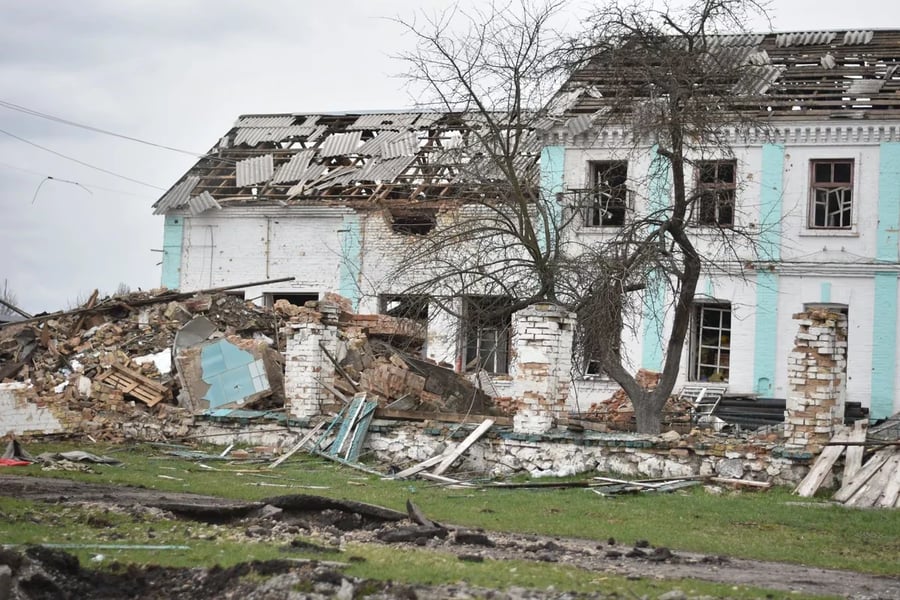
A home rarely announces foundation trouble with one dramatic failure. More often, it sends small signals through walls, floors, doors, and drainage patterns. While some signs signal innocuous settling, others indicate movement that might compromise the integrity of the structure's framework, pipes, and security.
Knowing which signs deserve a closer look helps owners act before repairs grow larger. The goal is simple: spot structural warning signs early and call a qualified professional for help when patterns appear.
1. Cracks That Grow, Widen, or Shift Direction
Small hairline cracks can appear as concrete cures or as finishes age. Wider cracks deserve more care, mainly when they exceed one quarter inch, form stair-step patterns in masonry, or run diagonally from window corners.
A homeowner comparing bids from foundation contractors in Los Angeles should document crack width, location, and changes over time so the inspection starts with clear structural evidence. Fresh gaps, uneven edges, or repeated patch failure suggest movement below the home.
2. Doors and Windows Stop Working Smoothly
Sticking doors can come from humidity, paint buildup, or worn hinges. Foundation movement becomes more likely when several openings bind at once. A door may swing open by itself, rub at the top corner, or show an uneven gap along the frame.
Windows can offer the same clues. Frames may rack out of square, locks may miss their catches, or glass may crack without clear impact. These symptoms matter more when they appear near wall cracks or sloped floors.
3. Floors Feel Uneven or Spongy
A floor does not need to look dramatic to signal trouble. Rolling objects, tilted furniture, or visible dips can reveal settlement beneath a slab or raised floor system. In older homes, some slope may come from age, but sudden change needs attention.
Soft spots can point to moisture damage, weakened joists, or shifting supports. Professional evaluation helps separate framing issues from deeper soil or pier movement. That distinction matters because surface repairs will fail if the base keeps moving.
4. Gaps Appear Around Trim, Cabinets, or Exterior Walls
Separation between baseboards and flooring can seem minor at first. Similar gaps above cabinets, around crown molding, or where walls meet ceilings can show the structure is twisting or settling unevenly. One gap alone may reflect poor installation, but several new gaps create a stronger warning.
Exterior checks are just as useful. Look for spaces around fascia, brick veneer, stucco control joints, or attached steps. When the house pulls away from patios, porches, or chimneys, differential movement may be active. Homeowners noticing these warning signs should consider consulting Above All Foundation Repair for a professional assessment and guidance on addressing potential foundation issues before they worsen.
5. Moisture Collects Near the Foundation
Water is a major driver of soil movement. Clay-rich soil can swell when wet and shrink during dry periods. That cycle places changing pressure on footings and slabs. Poor grading, clogged gutters, short downspouts, and leaking irrigation can all feed the problem.
Useful checks are simple. Soil should slope away from the home, downspouts should discharge several feet from walls, and crawl spaces should stay dry. Persistent puddles near footings call for correction before structural symptoms worsen.
6. Basement or Crawl Space Warning Signs
Hidden areas often show trouble before finished rooms do. Crawl space posts may lean, beams may separate from supports, or piers may crack. In basements, horizontal cracks can indicate soil pressure against walls, while water stains may reveal drainage failure.
Odors, mold, and rusted fasteners also deserve attention because moisture weakens materials over time. A trained inspector can measure deflection, check support spacing, and determine whether repairs should address drainage, framing, soil, or all three.
7. Chimneys, Porches, and Additions Move Differently
Attached features often rest on separate footings. Because of that, they may settle at a different rate than the main structure. A leaning chimney, widening porch gap, or cracked joint between an addition and the original wall should not be ignored.
These areas can carry serious safety risks. Masonry is heavy, and movement can create falling hazards or hidden roof leaks. Early assessment may limit damage to localized stabilization instead of larger structural work.
8. Repairs Keep Failing
Recurring cracks are one of the clearest signs that the cause has not been fixed. Paint, caulk, patching compound, or new tile can hide movement for a short time. If the same defect returns, the structure is still responding to stress.
Good records help. Photos with dates, measurements, rainfall notes, and repair history give contractors a useful timeline. That information can support a more accurate diagnosis and reduce guesswork during the first visit.
Conclusion
Foundation problems rarely improve without correcting the cause. A single small crack may be normal, but groups of symptoms deserve prompt review. Owners should watch for widening cracks, stuck openings, uneven floors, moisture patterns, and repeated repair failure.
Clear documentation and a professional inspection can identify whether the issue involves drainage, framing, soil, or structural support. Early action protects safety, limits disruption, and helps preserve the home’s long-term value over time.
Copyright © 2026 California Business Journal. All Rights Reserved.
For California Business Journal Disclaimers, go to https://calbizjournal.com/terms-conditions/.


