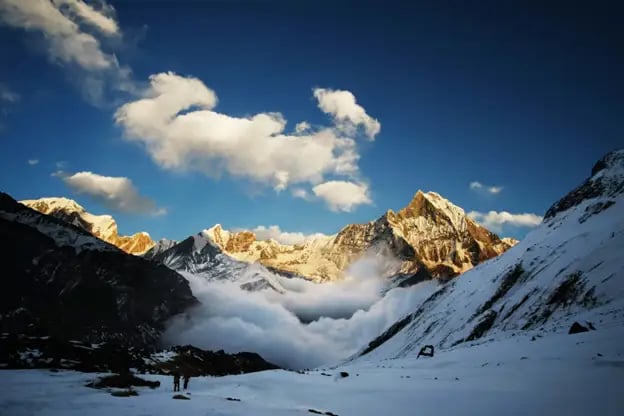
The Annapurna region is like a big open storybook, where every step turns the page slowly and shows mountains, villages, people, wind, and silence together. Many trekkers come here with different dreams; some want a short time but strong feelings, and some want long walks and deep change. This is why the 7 Days Annapurna Base Camp Trek and the Annapurna Circuit Trek stand like two brothers of the same family, with different faces but the same soul. Both treks touch the heart of the Himalaya, but they do it in their own rhythm, their own breath, and their own way of telling mountain stories. This article walks you slowly through both treks, with detailed information, feelings, routes, cultures, challenges, and why these journeys stay a long time in a traveler's mind even after coming back home.
Annapurna Region: Where Mountain Talk Soft
Before speaking about each trek, it is good to feel the land itself. The Annapurna region is not only high peaks and snowy. It is a green forest, stone village, rice terrace, prayer flag, river sound, and smiling old faces. This area is protected, respected, and lived in by many ethnic groups like the Gurung, Magar, Thakali, and Manangi. When you trek here, you do not just walk on trails; you walk inside the daily life of mountain people. Weather changes fast; landscapes change faster. One hour you walk in a warm forest, and the next hour you see an ice wall shining. This makes the Annapurna region powerful and gentle at the same time.
7 Days Annapurna Base Camp Trek: Short Time, Deep Feeling
The 7 Days Annapurna Base Camp Trek is made for people who have less holiday but big mountain dreams. This trek is short in days but heavy in beauty. In only one week, you go from low Greenland to the heart of an ice amphitheater where giants like Annapurna I, Machhapuchhre, and Hiunchuli stand around you like silent guards. This trek usually starts from Pokhara, a lake city that already calms your mind before the journey begins. From there, trails move through villages like Ghandruk or Chhomrong, climbing stone steps that test legs but reward eyes. Forests of rhododendron, bamboo, and oak surround you, birds fly close, and rivers roar below. Each day feels full, not rushed, but strong. You wake early, drink hot tea, and walk while the sun rises slowly behind hills. Nights are cold but friendly inside the teahouse, where fire burns and stories flow between strangers.
Reaching Annapurna Base Camp: Standing Inside a Mountain Bowl
The final days of this trek are special. You pass Machhapuchhre Base Camp, where mountains feel very close, almost touchable. The air becomes thin; breathe slowly, though quietly. Then suddenly, Annapurna Base Camp appeared. Standing at base camp is not a loud moment. It is a silent shock. Mountains stand all around you, forming a big white circle. No single peak dominates; all share space. Sunrise here is something that words fail to hold. Light hit the snow wall, turning grey to gold, cold to fire. Even people who speak much become quiet here. After this moment, descent starts. Going down feels easier on the lungs but heavy on the heart, because you already want to stay longer.
Annapurna Circuit Trek: Long Walk Around a Giant
If the Annapurna Base Camp Trek is a short poem, the Annapurna Circuit Trek is a long novel. This trek takes around two to three weeks, depending on pace and side trips. It circles the entire Annapurna massif, giving you a complete feeling of scale, distance, and patience. This trek is not only about mountain views but also about the journey itself. You start from low villages with rice fields, hot weather, and busy life. Slowly, day by day, the landscape changes. Forests become dry, villages become stone, people speak different languages, and food tastes change. The circuit passes through the Marsyangdi valley, then climbs to the high Manang region, where the air is dry and the culture feels Tibetan. You take acclimatization days, walking slowly, letting body and mind adjust.
Thorong La Pass: High Point of the Circuit
The highlight of the Annapurna Circuit Trek is crossing Thorong La Pass, which stands at 5,416 meters. This is not an easy day. You wake very early, maybe before stars sleep. The cold is sharp, the wind bites my face, and the steps feel heavy. But the path is clear, prayer flags show direction, and other trekkers move like small ants in the dark. Reaching the top of Thorong La is a strong emotional moment. You feel tired, proud, small, and alive at the same time. The view from the pass is wide open, showing mountains on both sides, like earth's open arms. After passing, the descent to Muktinath brings a new world. Dry land, deep valleys, spiritual places, and the feeling of crossing something big in life.
Culture and People Along Both Treks
One beautiful thing about both treks is human connection. In the Annapurna Base Camp Trek, Gurung villages like Ghandruk show traditional houses, warm hospitality, and colorful culture. Children run with smiles; elders sit in the sun with deep eyes. In the Annapurna Circuit Trek, culture changes many times. Lower areas are Hindu, upper areas Buddhist. You see a monastery, many walls, and spinning prayer wheels. Food also changes, from dal bhat to tsampa and butter tea. Teahouse owners become friends, guides become family, and fellow trekkers become mirrors of your own struggle and joy.
Difficulty and Preparation for These Treks
Both treks are moderate to challenging, but in different ways. The 7-day Annapurna Base Camp Trek is shorter but involves many up and down stairs. It tests the knee and endurance in a short time.
The Annapurna Circuit Trek is longer and requires strong mental patience. Altitude is higher, days are longer, and weather can be harsh near the pass. Proper acclimatization is key here.
Good shoes, warm layers, a slow pace, and an open mind make both treks enjoyable. You do not need to be an athlete, but you need to respect the mountain and listen to your body.
Best Time to Do These Treks
The best seasons for both treks are spring and autumn. Spring brings flowers, clear skies, and mild cold. Autumn brings sharp views, dry trails, and festive villages. Winter is possible but cold, especially for circuit treks. Summer brings rain and leeches, but forests become very green and alive. Choosing the right season makes a big difference in experience.
Why These Two Treks Are Loved Worldwide
The reason people love the 7-day Annapurna Base Camp Trek is because it gives a complete Himalayan feeling in a short time. It is perfect for first-time trekkers or those with limited days.
The reason people love the Annapurna Circuit Trek is because it changes you slowly. Long days, many landscapes, high passes, and cultural shifts make it a life journey, not just a holiday.
Both treks show different faces of the same mountain, and together they tell the full story of Annapurna.
Comparing the Two Treks in a Simple Way
The Annapurna Base Camp Trek is direct, emotional, and scenic. You go in, you feel deep, and you come out changed. The Annapurna Circuit Trek is wide, slow, and transformative. You circle mountains, and mountains circle inside you. One is a shorter heart touch; the other is a longer soul walk. Choosing depends on your time, strength, and inner call.
Food and Accommodation on the Trail
Both treks offer a teahouse system. Rooms are simple, warm, and share energy. The food is fresh and filling. Dal bhat is common and powerful. Noodles, soup, potatoes, bread, and tea keep you moving. As you go higher, the menu becomes limited, but the warmth of service increases. Eating together in the dining room creates bonding among trekkers.
Final Thoughts: Two Paths, One Mountain Spirit
Walking in the Annapurna region is not only about reaching a place. It is about slowing down, breathing deeper, and seeing life in simple form. The 7 Days Annapurna Base Camp Trek and Annapurna Circuit Trek both offer this gift, just wrapped in different sizes. If you choose a short trek, you will still feel the mountain strong inside you. If you choose a long circuit, you will carry mountains with you long after the journey ends. Annapurna does not rush you; it waits, and when you come, it teaches without speaking.
No matter which trail you walk, Annapurna will walk inside you forever.
Booking Process by Nepal High Trek:
To book any of these treks tours through Nepal High Trek Pvt.Ltd , begin by contacting them via email at info@nepalhightrek.com or phone or WhatsApp at +977-9851142116 to discuss your preferred dates, group size, and specific needs. They will provide a detailed itinerary covering these trek’s duration, highlights, cost, and inclusions such as a guide, porter, meals, accommodation, and transportation.
Prior to the trek, you will receive a comprehensive pre-trek briefing with essential information on packing, fitness preparation, and altitude acclimatization. The agency will finalize all logistical arrangements, including transportation, accommodation, and permits, to ensure everything is in place for your trek. Upon arrival in Nepal, the team will ensure that all aspects of the trek are organized, providing you with a smooth and unforgettable experience on these treks.
Copyright © 2026 California Business Journal. All Rights Reserved.
For California Business Journal Disclaimers, go to /terms-conditions/.


