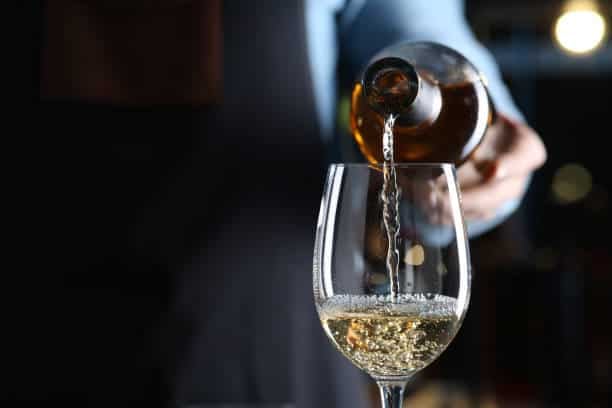
When you pop open a bottle of wine, what do you notice first? Maybe the label. Maybe the feel of the cork. Or maybe, just maybe, it's how the bottle is sealed. Did you know that how your wine quality is packaged can actually change how it tastes over time? It's not just about looks-it's about the life of the wine inside.
In this article, we're going to open up the world of wine packaging and corks. You'll see why small choices make a big difference. Read on to uncover the secret life of your favorite bottle.
Why Corks Still Matter
Corks have been used in wine for hundreds of years. They are natural, simple, and reliable. But not all corks work the same. Some let in a little air, which can help a wine grow better with age. Others keep every bit of air out, locking the wine in place.
The kind of cork used can shape the taste, smell, and feel of your wine. It can even change how long your wine lasts. Choosing the right one is more than tradition it's about taste.
The Many Faces of the Wine Cork
Natural corks are made from real bark. They breathe just enough to allow wines to become richer over time. These corks are often found in bottles meant to be aged.
Composite corks are made from small bits of cork glued together. They are less costly but don't always let wine age the same way.
Synthetic corks, made from plastic, stop any air from getting in. This helps stop cork taint, but the wine may not change much over time.
Glass stoppers look fancy and are easy to reseal. But they don't let any air in at all. For wines that get better with age, that might be a downside.
If you're planning to bottle wine at home or need many closures for a large event, you might even look into wine corks bulk to meet your needs.
When Packaging Breaks the Rules
Not every wine comes in a glass bottle with a cork. Some use screw caps. These twist shut tightly and keep the wine fresh. They're easy to open and don't get cork taint. However, some worry they may not allow wines to age well.
Then there's bag-in-box wine. While it may not win any beauty contests, it keeps wine fresh for weeks after opening. It's smart for people who sip slowly or want to avoid waste. Thanks to innovations in bag-in-box fillers, producers can now package wine more efficiently and hygienically, ensuring consistent quality from first pour to last.
These new ways of packaging are breaking the rules. And for many, they work just fine.
What Else Shapes Your Wine
Packaging is only one piece of the wine puzzle. Where and how you store your wine matters just as much. Wine likes cool, dark, and quiet places. Heat, light, and shaking can ruin even the finest bottle.
If you treat your wine right, your wine will treat you right.
Know What You're Pouring
The way wine is sealed affects more than how easy it is to open. It affects the smell, the taste, and the memory it makes. Whether you love classic corks or modern caps, knowing your choices makes every sip smarter.
The Impact of Packaging on Wine Quality
In the end, wine quality isn't just about the grape. It's about how it's cared for from vineyard to glass. So next time you open a bottle, take a moment. Think about the cork, the cap, or the box and the story it helped tell.
For more on this content, visit the rest of our blog!
Copyright © 2025 California Business Journal. All Rights Reserved.
For California Business Journal Disclaimers, go to /terms-conditions/.


