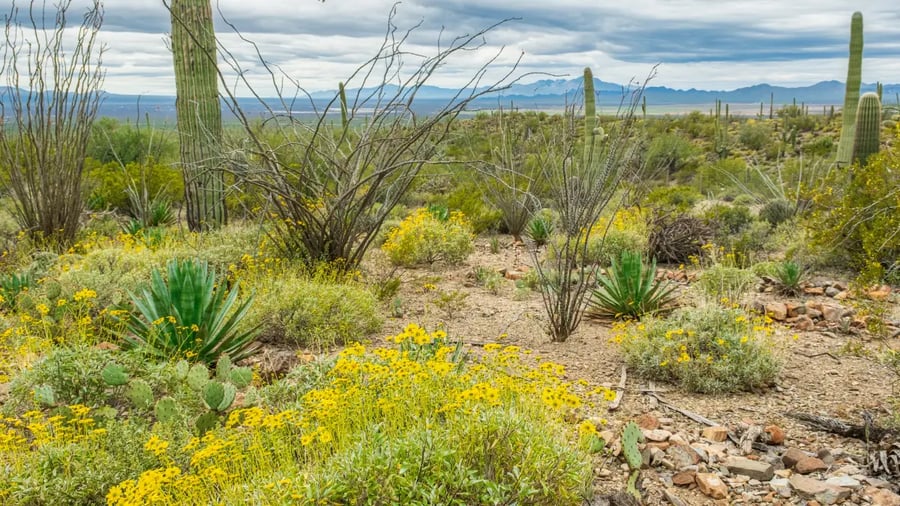
Colorado's climate has a way of humbling even experienced gardeners. The Front Range swings between late spring snowstorms and weeks of dry summer heat. Western Slope landscapes deal with low annual rainfall and intense sun. Even the more temperate mountain foothills get less moisture than most ornamental plants are built for. If you've watched a newly planted yard struggle through July and August despite regular watering, you already know the problem.
The good news is that Colorado's native and regionally adapted plant palette is genuinely impressive. There are drought-tolerant options for every layer of a landscape: trees, shrubs, perennials, and ground covers that look intentional rather than sparse. The key is knowing which plants are actually suited to your soil, elevation, and sun exposure rather than just marketed as "low water."
Natives First, and Here's Why
Native plants aren't just a trend. They've spent thousands of years adapting to Colorado's specific combination of alkaline soils, low humidity, intense UV, and irregular moisture. Once established, they largely take care of themselves. That establishment period, typically one to two full growing seasons, still requires consistent watering, but after that, many natives thrive on natural precipitation alone.
Blue grama grass (Bouteloua gracilis) is one of the most underused options for Colorado lawns and meadow-style plantings. It's the dominant grass of the shortgrass prairie, handles clay and sandy soils equally well, and turns a warm golden color in fall that holds through winter. For a lawn alternative that doesn't demand weekly irrigation, it's hard to beat.
Penstemon species are another Colorado staple worth knowing. Rocky Mountain penstemon (Penstemon strictus) produces tall spikes of blue-violet flowers in early summer and tolerates full sun and dry conditions without complaint. It also attracts hummingbirds, which is never a bad thing.
Shrubs That Earn Their Space
Shrubs do a lot of structural work in a landscape, and several perform exceptionally well under Colorado's dry conditions. Apache plume (Fallugia paradoxa) is a native shrub that blooms white in late spring and then produces feathery pink seed heads that persist through summer, giving you two seasons of visual interest from one plant. It handles poor soils and full sun without much fuss.
Rabbitbrush (Ericameria nauseosa) is another strong performer. It blooms bright yellow in late summer and fall, exactly when most other plants are winding down, and it's nearly indestructible once established. It's a common sight along Colorado roadsides for good reason.
For a more refined look, Russian sage (Perovskia atriplicifolia) works well in mixed borders. Technically a sub-shrub, it produces long-lasting silver-blue flower spikes from midsummer into fall and pairs well with ornamental grasses or low-growing sedums. It's widely available and reliably tough in Colorado's climate.
Perennials Worth Planting
Drought-tolerant perennials give you flexibility and color without the water demands of traditional flowering plants. Agastache, particularly the native Hyssop varieties, blooms from midsummer through frost and handles heat and dry spells remarkably well. The flowers range from soft orange to deep purple depending on the variety, and pollinators are consistently drawn to them.
Salvia nemorosa cultivars like 'May Night' and 'Caradonna' are reliable performers across Colorado elevations. They prefer well-drained soil and full sun, bloom heavily in early summer, and often rebloom if cut back. Low maintenance, long-lived, and genuinely attractive.
For ground-level coverage, ice plant (Delosperma) is worth considering on sunny, well-drained slopes. It spreads slowly, blooms in vivid magenta or yellow, and handles Colorado's dry summers without supplemental irrigation once established.
The Soil Question Nobody Talks About Enough
Plant selection matters, but soil preparation often determines whether a drought-tolerant plant actually performs or just survives. Colorado's Front Range soils tend to be heavy clay with high pH. Many drought-tolerant plants, particularly those native to sandy or loamy soils, will sit and sulk in compacted clay even if they're technically adapted to dry conditions.
Denver is a good example of this. The city sits at the edge of the shortgrass prairie, and its native soils are dense, alkaline, and slow to drain. A plant that thrives in the sandy foothills can struggle in a Denver backyard without some soil work first. Amending planting areas with compost, improving drainage on problem spots, and selecting varieties specifically rated for clay soils will make a measurable difference in how quickly plants establish and how well they hold up in dry stretches.
It's worth having that soil conversation before you buy anything. A knowledgeable garden center in Denver will ask about your soil conditions, your sun exposure, and the specific areas you're planting before making recommendations, which is exactly the kind of guidance that saves you from replacing plants two summers in a row.
Putting It Together
A well-designed drought-tolerant Colorado landscape isn't a collection of random "tough" plants. It has structure, seasonal interest, and variety across heights and textures. Layer natives like blue grama and penstemon with drought-adapted shrubs like Apache plume or rabbitbrush, fill in with reliable perennials like agastache and salvia, and address the soil conditions that determine whether any of it actually works.
Colorado gardening rewards people who work with the climate rather than against it. The plant palette available to you is broader than most homeowners realize, and the long-term payoff in reduced water use and lower maintenance is genuinely worth the upfront research.
Copyright © 2026 California Business Journal. All Rights Reserved.
For California Business Journal Disclaimers, go to /terms-conditions/.


