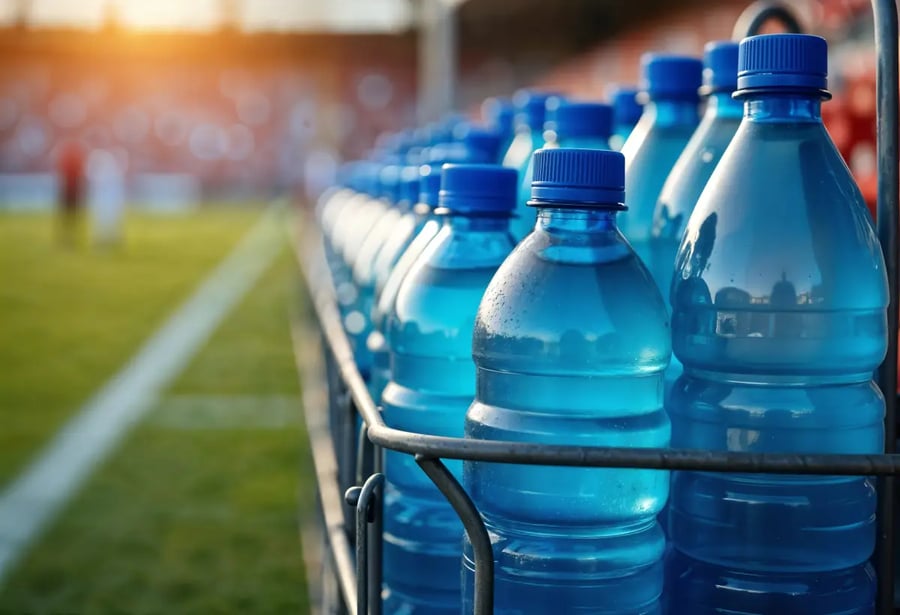
Bottled water is sold as a symbol of purity and health. We sip without thinking about its path. But there's a story hiding in every bottle. And it doesn’t taste great.
The Illusion of Convenience
Grabbing a bottle of water is the ultimate convenience. It's an easy fix for your thirst. There's no hassle, just twist and drink. But think about the hidden journey it took to get into your hand.
Bottles are produced, filled, and sealed. Then they travel hundreds, or even thousands, of miles to a shelf near you. All for a sip of convenience.
Many people assume the convenience of bottled water outweighs its drawbacks, largely due to the strategic marketing poured into making it seem indispensable. However, this convenience is often an illusion; by equating health to ease of access, consumers overlook the long-lasting impacts on our planet and communities.
Environmental Damage
The Earth pays the price for this "convenience." Hundreds of billions of bottles crisscross the globe each year. Most of these end up in landfills. Every bottle takes hundreds of years to break down. And that’s if it isn’t incinerated, releasing toxins into the air.
The damage begins at the source. Manufacturing a single bottle consumes double the volume of water contained within it. Then, there's the oil used to make the plastic. Not a drop is wasted in this costly process.
Habitat destruction is another environmental tragedy in this narrative. The lands around production plants are often denuded to create factories and transportation systems, tearing apart ecosystems and displacing countless species. This collateral damage affects biodiversity, vital to Earth's health.
Moreover, in an era of climate change, every bit of unnecessary energy usage compounds the issue further. The byproducts from bottle manufacturing contribute significantly to greenhouse gas emissions, escalating global environmental challenges. As we grapple with these large-scale impacts, the cost of choosing bottled water grows ever more concerning.
Carbon Footprint
Carbon footprints balloon with bottled water shipping. Fossil fuels power the immense freight networks. Trucks, trains, ships, and planes—all contribute to a larger carbon footprint for your bottle of water than your weekly gas bill.
Think of the emissions. Each mile a bottle travels grows the invisible cloud of carbon surrounding our planet.
Consider also the packaging materials used to transport bottles—pallets wrapped densely in plastic, often destined to join bottles in landfills. This packaging adds to carbon emissions, reinforcing the need to find sustainable alternatives for all aspects of shipping and handling bottled water.
Recognizing the significant environmental impacts, exploring alternatives such as bottleless water & ice solutions can contribute to lowering carbon emissions while providing clean water. Shifting to systems that eliminate the need for plastic packaging can gradually pave the way for broader societal changes towards sustainability.
As consumers, we must recognize that our collective preferences drive industry choices. Opting for reusable water bottles and supporting local initiatives can tilt the balance. It's a small action, but when adopted widely, it brings measurable change to our environmental footprint.
Local Consequences
Local communities pay the price, too. Regions deemed "water-rich" by bottling companies suffer as groundwater is siphoned away. This can dry up local resources, harming agriculture and homes.
Water is stolen from its natural setting, all for the profit of branded bottled water.
The original water sources—often rivers or lakes—may face altered ecosystems due to lowered water tables. This can detrimentally impact the flora and fauna that depend on these aquatic life sources, ultimately affecting local livelihoods and food supplies dependent on natural biodiversity.
In many communities, grassroots movements have emerged to combat these powerful bottling corporations. Local activists rally to protect their water supplies and push back against practices that prioritize profit over sustenance. Their efforts mark a crucial step towards redefining control over natural resources.
Economic Disparity
The economics of bottled water aren't fair. Companies buy public water at a laughably low cost. They filter it, package it, and sell it for massive profit.
Local residents may pay more for water from their tap than for bottled water. In some parts of the world, bottled water becomes the only clean option despite the high price. A luxury becomes a necessity.
This disparity extends beyond direct consumers. Behind every bottle sits a vast supply chain with inequalities, where low-wage workers in production and transportation may bear increased financial burdens without reaping the economic benefits.
It's vital to highlight this inequality and challenge these corporate practices. Advocacy groups push for equitable water rights and transparency in sourcing. Such efforts aim to balance the scales, ensuring communities are prioritized above corporate interests.
Health Myths
Bottled water ads promise crystal-clear health. It's safer, some think. Cleaner and purer. But many brands simply package filtered tap water.
Blind tests often show no taste difference between bottled water and tap. You're paying dearly for a mirage.
Some studies suggest that bottled water may not always be free from contaminants, challenging the perception of superior quality. The stringent regulations for municipal tap water often exceed those for bottled water, calling into question the perceived health benefits.
A shift towards relying on local tap water not only aids in debunking these myths but also supports regional infrastructure. Investing in public water systems can lead to improved quality, offering communities a genuinely pure source without the unnecessary frills of branding and packaging.
Final Thoughts
Every bottle of water has a hidden story. Each step in its journey adds to environmental tolls, economic inequality, and local hardships.
When you reach for that bottled water, think about the costs wrapped up in its plastic embrace. Tap might be a wiser choice.
Copyright © 2026 California Business Journal. All Rights Reserved.
For California Business Journal Disclaimers, go to /terms-conditions/.


