
As someone who has taught in Title I classrooms, served on state education panels, and now leads a national teacher advocacy group, I have had a front-row seat to the decline and potential resurgence of American public education. Reform has become a buzzword, thrown around in political speeches and glossy district plans, but if we want to fix what is broken, we need to confront hard truths. Our education system is strained, our teachers are exhausted, and our students are falling behind.
It is not the test score we should be chasing. It is integrity, excellence, and a return to academic purpose.
Two urgent crises in the education system: Teacher shortage and student outcomes
The most immediate problems in American education today are not complicated: we do not have enough qualified teachers, and students are underperforming academically. You cannot separate the two.
America has a national teacher shortage because the profession has become devalued, and teachers are tired of political bias being pushed on them at school. Many states do not offer a living wage, and the job expectations have become completely unreasonable.
At the same time, teachers are constantly asked (and expected) to do more with less — less time, less support, less respect. Meanwhile, test scores in reading and math are plummeting, and overall student learning has declined. This correlation is not a coincidence.
If we want to rebuild the foundation of America’s education system, we need smaller class sizes, transparency in curriculum and teacher training, and access to high-quality instructional materials. That means real textbooks, not just fragmented digital content. And above all, we need to clear the political noise from the classroom so teachers can focus on what they were trained to do: teach.
Keep politics out, bring academics back
Polarization in schools did not happen by accident. It came from political agendas seeping into the classroom and replacing academic curriculum with activism. High-quality teacher training was replaced with race-based DEI training. The solution is simple but not easy: get back to basics.
Public education is supposed to serve all families. When activist groups like certain teacher unions push politically biased content into classrooms or school libraries, they alienate parents and divide communities. Principals are supposed to take personal responsibility for the materials on their campuses. If they do not know what books are in their libraries, that is a red flag. Parents should inform themselves on school library holdings and curriculum, including ensuring they have access to their child's digital learning platforms.
We have seen an alarming trend in gender ideology and sexual content in K-12 schools, often introduced without parental knowledge or consent. Promotion of those kinds of materials does not prepare students for their academic careers and has no place in public education.
I am a biology teacher — I believe in science, and I also believe in parental rights. Schools should not be indoctrinating children behind their parents’ backs. That is a violation of trust, ethics, and basic decency.
When schools focus on academic rigor instead of social engineering, we will see real progress. Until then, more and more parents will continue to flee public schools. And who can blame them?
How a lesson from Title I schools can help with education reform
In high-needs schools, the most significant barriers to learning are not technology or funding; they are structural and cultural. I have had students come to school having eaten only candy for breakfast because no adult was home to care for them. Many of these kids go unsupervised after school and are vulnerable to gang activity.
If we want to keep kids safe and on track, we need strong, supportive families and robust after-school programs that offer structure and enrichment. I would love to see schools partner with local churches or qualified nonprofits to provide free or low-cost programs. Give kids something to say “yes” to, so they do not end up saying “yes” to the wrong things.
And yes, let’s offer free breakfast. But let's make sure it is nutritious.
Education reform that actually supports teachers
No reform will succeed unless we fix how we treat teachers. That means creating a sustainable work-life balance, enforcing disciplines so classrooms are safe, and respecting teachers’ time and boundaries. Teachers need duty-free lunch breaks. They should not be taking home hours of grading every night or handling disruptive students without backup.
We also need to rethink how we recruit and retain educators. It starts with better training, yes, but also with real support and meaningful incentives to make this a viable long-term career. That is why it is important to fight for better pay, stronger protections, and a voice for teachers in shaping the future of public education.
Technology can help, but it cannot replace us
AI and digital tools are helpful when they streamline work, but they will not replace teachers. The human component of classroom management, behavioral support, and relationship-building simply cannot be automated. Technology should serve teachers, not the other way around. There should also be appropriate teacher training to help incorporate artificial intelligence.
The path forward
I have not given up on public schools. But I have zero tolerance for what has been allowed to creep into our classrooms in recent years. Education should not be a battleground for ideologies. It should be a place where students grow, learn, and prepare to be productive citizens.
The future of education reform must be grounded in academic integrity, parental partnership, and teacher empowerment. If you are a teacher or school staff member, stand with us on the path forward. America’s future depends on it.
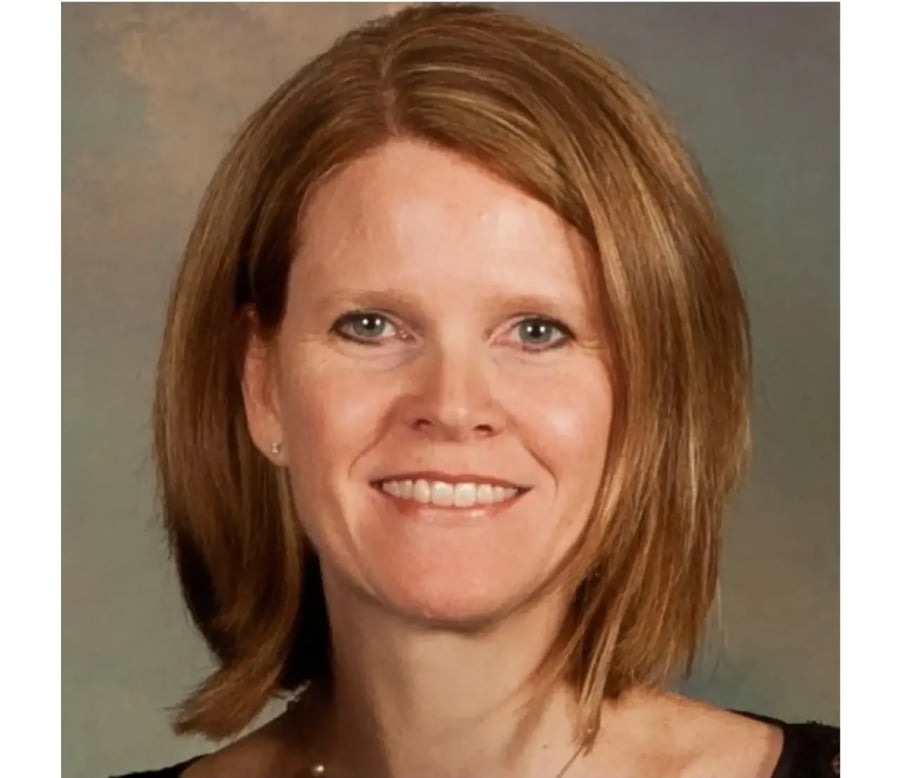 — Amy Marshall, M.Ed., is a veteran educator and assistant college professor with a Master of Education in Teaching and Learning History from Liberty University, where she also serves as an adjunct assistant professor in the College of Arts and Sciences. She earned her Bachelor of Science degree from the University of Texas at Arlington and holds multiple teaching licenses across North Carolina, including high school science, social studies, middle school science and math, and K–5 elementary education. Amy also obtained a special education teaching license in New Jersey and has taught in public schools in multiple states, beginning her career in 2008 in a Title I urban school. Over her 14-year teaching career, Amy developed extensive experience in classroom instruction, curriculum development, and educational policy. She has served on several North Carolina education panels, including a role as a state textbook commissioner in 2020 and participation in American Rescue Plan initiatives led by the state board of education. In 2019, after facing political pressure in her school district, she resigned and founded American Teachers Alliance (ATA) in 2021 to provide teachers with protections, advocacy, and professional support. Amy is also a certified paralegal and real estate broker and serves full-time as the Founder and Executive Director of ATA, leading the organization’s mission to ensure unbiased, achievement-driven education.
Copyright © 2025 California Business Journal. All Rights Reserved.
For California Business Journal Disclaimers, go to /terms-conditions/.


