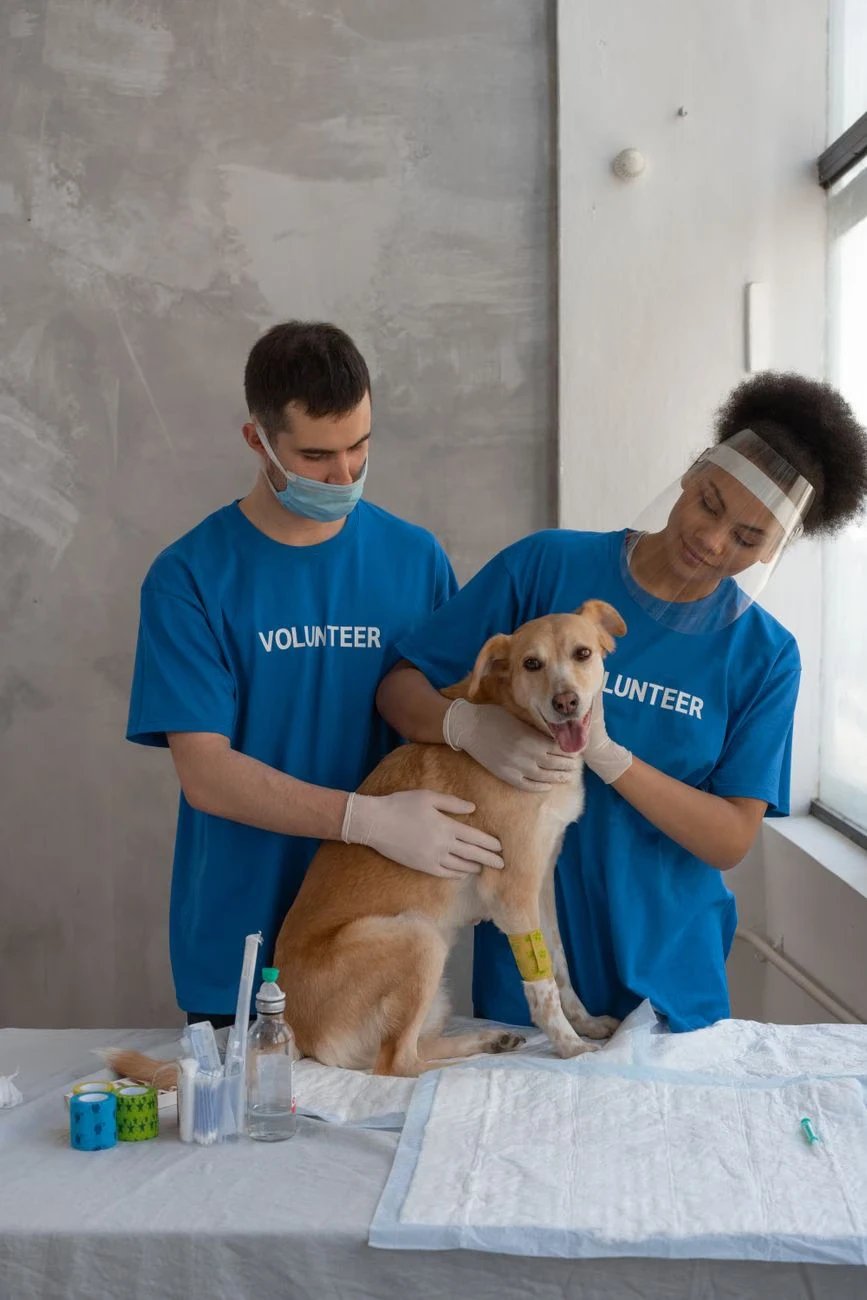
The healthcare industry is evolving beyond traditional human medicine. As demand for comprehensive healthcare services continues to grow, animal healthcare has also become an increasingly important part of the broader healthcare ecosystem. Veterinary clinics, animal hospitals, and research facilities now rely on skilled support professionals who help improve efficiency, enhance patient care, and support veterinarians in delivering quality services.
Among these professionals, veterinary assistants play an essential role. They provide hands-on support that allows veterinary teams to focus on diagnosis, treatment, and patient outcomes. As veterinary services expand, the need for trained professionals who understand animal care, clinical procedures, and healthcare operations continues to increase.
Why Veterinary Assistants Are Becoming More Important in Modern Animal Healthcare
Modern veterinary care involves much more than routine checkups. Animal healthcare teams manage complex procedures, preventive care programs, emergency services, and ongoing treatment plans. Veterinary assistants help ensure that these services can be delivered effectively by supporting both clinical and operational tasks.
Their responsibilities may include:
Preparing examination rooms and medical equipment
Assisting veterinarians during procedures
Supporting animal handling and patient care
Maintaining a clean and organized clinical environment
Communicating with pet owners and supporting daily operations
By helping with essential tasks, veterinary assistants contribute to smoother workflows and allow veterinary professionals to provide better care for animals.
Supporting Veterinary Teams Through Skilled Healthcare Assistance
A successful veterinary practice depends on teamwork. Veterinarians, technicians, assistants, and administrative staff all contribute to creating a coordinated healthcare environment.
Veterinary assistants often serve as a connection between different parts of the practice. Their ability to provide reliable support helps reduce pressure on other team members and improves the overall patient experience.
For individuals interested in entering this growing field, structured education and hands-on preparation can provide the foundation needed to develop important skills. Programs focused on animal care training can help students understand clinical environments, animal behavior, safety procedures, and daily responsibilities within veterinary settings. Exploring available vet assistant programs can be an important first step for those looking to begin a career supporting animal healthcare teams.
Building Future Career Opportunities in Veterinary Healthcare
The growth of veterinary services is creating new opportunities for people who want to work in healthcare while focusing on animal wellbeing. Veterinary assistants can work in a variety of environments, including:
Private veterinary clinics
Animal hospitals
Animal shelters
Research facilities
Pet healthcare organizations
While the role requires compassion and attention to detail, it also provides opportunities for continuous learning and professional development. Many professionals begin their careers by gaining practical experience and expanding their knowledge through additional education and training.
Understanding the skills, responsibilities, and education requirements involved is an important part of planning a career in this field. For those exploring this path, resources explaining how to become a vet-assistant can help provide insight into the steps needed to enter the profession.
The Future of Veterinary Support Professionals
As animal healthcare continues to advance, veterinary assistants will remain a valuable part of the healthcare workforce. Their role reflects a larger trend across healthcare industries: the increasing importance of trained support professionals who help organizations deliver efficient, accessible, and high-quality care.
The future of animal healthcare will depend not only on veterinarians but also on the dedicated professionals who support them every day. Veterinary assistants represent an important pathway for individuals seeking meaningful careers while contributing to the health and wellbeing of animals.


