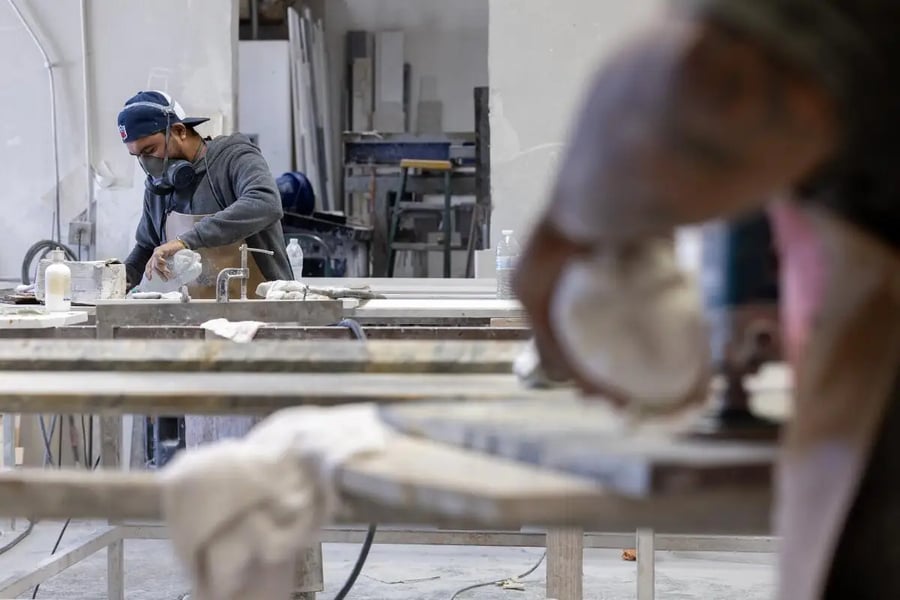
Silicosis is a preventable, incurable, life-altering and often fatal lung disease which is the result of long-term exposure to silica dust.
Silica dust is typically found in the manufacturing, mining and construction industries.
Silicosis is a particularly large problem in the engineered stone/quartz industry, where so many people have developed the condition that it has led to a silicosis class action lawsuit.
The following is what businesses need to know about silicosis:
What Workers Are Susceptible to Silicosis
Workers who are susceptible to silicosis as a result of exposure to silica dust include:
- Stone countertop workers
- Construction workers
- Sandblasters
- Foundry workers
- Quarry workers and miners
- Demolition workers
- Road and tunnel construction workers
- Glass manufacturers
How Silicosis Develops
Silicosis develops when workers repeatedly inhale silica dust on a long-term basis.
This exposure commonly happens in workplaces where engineered stone/quartz is cut, such as in workplaces where countertops are manufactured.
This can occur because:
- Improper surface cleaning methods are used
- Respirators aren’t worn properly or aren’t worn at all
- Washing facilities aren’t available for use
- Protective gear doesn’t fit tightly due to facial hair
- Insufficient warning signs are posted in the workplace
- Dry cutting methods are used
- High-efficiency vacuums aren’t used
- Washable or disposable clothing isn’t available in the workplace
How Workplaces Can Prevent Silicosis
Effective ways to prevent silicosis, according to Cal/OSHA, include:
- Making sure that running water covers surfaces where tools or machines contact work objects such as engineered stone/quartz
- Conducting high-risk work in regulated areas which are identified by adequate warning signs, in English and Spanish
- Making sure that debris is cleaned up frequently to prevent the buildup of silica dust
- Making sure that only wet cutting methods are used, or, alternately, using HEPA filter vacuums while cutting
- Disallowing dry sweeping
- Disallowing the usage of compressed air for the cleaning of clothing or surfaces
- Prohibiting employees rotating as an exposure control
- Prohibiting moving equipment or walking through dry dust
Additional ways to prevent silicosis include:
- Making sure that respirators are worn, and worn properly
- Making sure that washing facilities are available for use
- Making sure that facial hair doesn’t prevent protective gear from fitting tightly
- Making sure that washable or disposable clothing is available in the workplace to prevent workers from bringing silica dust home with them
Early Symptoms of Silicosis Employers Should Watch For
Silicosis can take time to develop, and isn’t always obvious in its early stages. The sad fact is that many workers don’t realize they’re getting sick until the disease has already done permanent damage to their lungs.
Some of the most common early symptoms of silicosis includes: shortness of breath during physically strenuous activity, a persistent cough occurring, chest pain or rightness, and fatigue.
If you notice any of these symptoms, you may want to check in with a medical professional. This is because, as silicosis progresses, symptoms can become worse. You may experience severe breathing difficulty, weight loss, and an increased risk of lung infections.
It’s crucial that businesses take employee complaints about breathing issues seriously.
Long-Term Health and Business Impacts of Silicosis
In addition to its impact on workers, silicosis also causes long-term consequences for businesses overtime. If an employee is diagnosed with silicosis, after all, it’s likely going to require ongoing medical treatment or disability accommodations. At the end of the day, you can even lose employees altogether.
In some cases, silicosis cases can lead to increased workers’ comp claims, increased insurance premiums, a loss of labor, and more.
Training and Education Are Critical to Silicosis Prevention
Workplace safety measures are only impactful if employees fully grasp why they are in place and need to be followed. You have a responsibility as an employer to provide proper training and awareness in regards to silica exposure and safe work practices needed to avoid potential health complications.
It’s crucial to ensure your employees are using proper safety equipment and understand the early symptoms they need to know to recognize silicosis. Additionally, you need to make sure the trainings are in languages your workers can understand, and you need to reinforce these lessons with proper oversight and signage.
Consequences for Not Maintaining a Safe Workplace
Workplaces which are unsafe due to exposure to silica dust may be shut down.
For example, Cal/OSHA has the authority to quickly shut down operations in California which are unsafe due to silica dust exposure.
In addition, workplaces who fail to make sure they have safety measures in place to protect workers from exposure to silica dust may face expensive silicosis lawsuits if their workers develop silicosis.
Copyright © 2026 California Business Journal. All Rights Reserved.
For California Business Journal Disclaimers, go to /terms-conditions/.


