The provision of routine medical care became challenging and, in many cases, unsafe during the course of the pandemic. Personal visits to the doctor carried the risk of infection, and clinics were overcrowded.
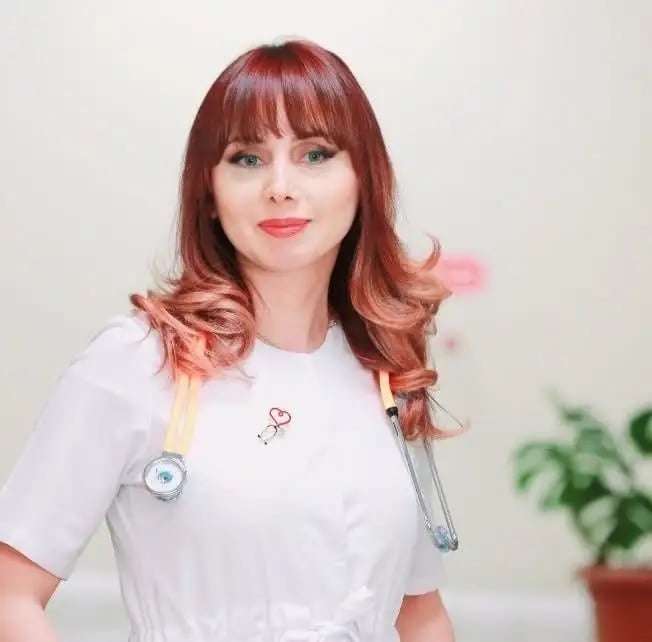
Natia Tkeshelashvili was already working on the RedMed platform as a family physician and coronavirus patient treatment specialist when the need for remote consultations arose. This was in October 2020. This format quickly became part of her daily practice, leading her to receive the 2024 Brand Person Status for her role and responsibility in COVID treatment during those challenging times.
Early Adoption of Remote Care: Transitioning to Video Consultations at Scale
Before the pandemic, Ms. Tkeshelashvili worked as a physician in Georgia and constantly honed her skills. She studied abroad and became a three-time recipient of American Austrian Foundation grants. Professional development was crucial for her, ensuring that patient care met all international standards. Later, Ms. Tkeshelashvili not only consulted the patients but also became a certified EURACT Level 1 trainer. This ensured a medical multiplier effect — she trained hundreds of doctors before and after COVID-19.
She joined the developing RedMed LLC platform in October 2020, at the height of the pandemic. At that time, there were no ready-made instructions for the remote treatment of the novel coronavirus. Natia was required to acquire the skills necessary to conduct a complete primary reception through the screen. She posed precisely, considered inquiries to evaluate the patient’s condition, swiftly identified potential hazards, and made well-informed decisions regarding the safety of the individuals involved.
A particular difficulty was that patients, who were fearful because of their illness, had to trust a doctor they were seeing for the first time and only on screen. In this situation, she relied on clear explanations, consistent advice, and constant support, which became the basis for contact. Continuity of medical care during quarantine was guaranteed.
Practical Remote Protocols for COVID-19 Management
The initial examination included video diagnostics. Without a stethoscope, it's difficult to determine the nature of the cough and the presence of much in the lungs, but Ms. Tkeshelashvili asked many detailed questions to determine the specific cough, whether there was shortness of breath, how the patient's temperature was changing, and so on. She also elicited any specific symptoms of coronavirus through dialogue with the patient. The physician also included data from self-monitoring of oxygen saturation in the patient's medical history, if the patient was willing to share them. Based on these data, Ms. Tkeshelashvili made a decision about hospitalization or outpatient treatment.
Hospitals around the world were overloaded at the time, so the decision to hospitalize a patient had to be made carefully. she referred patients for hospitalization only when she saw that their condition was critical. She also helped send patients to medical centers, so the clinic where she worked combined telemedicine with traditional treatment.
Clinical Impact and System-Level Benefits of Telemedicine
In Ms. Tkeshelashvili’s practice, telemedicine has become a tool for solving specific problems and reducing risks. In an overloaded system, it has also enabled patient access to care.
The main advantage was the reduced risk of infection. Fewer people in clinics meant fewer sources of infection. The CDC confirmed that many cases in the first wave were linked to hospitals. The adoption of remote consultations has had a tangible impact on the enhancement of security protocols.
It was equally important to maintain access to healthcare professionals. In 2020, a considerable decrease in in-person consultations with general practitioners was observed, resulting in delays in the diagnosis and treatment of both SARS-CoV-2 and other diseases. At the same time, according to the National Library of Medicine, the use of telemedicine in primary care increased tenfold, helping compensate for some of the lost access to doctors. In this situation, Ms. Tkeshelashvili’s remote work allowed patients to receive timely medical evaluation without delaying seeking help until a critical moment.
Experience has shown that telemedicine can be made a permanent part of primary care. This relieves pressure on hospitals and saves resources, which is particularly important in times of crisis. This conclusion is confirmed, for example, by NEJM Catalyst, which refers to telemedicine as a long-term element of modern healthcare.
Patient feedback reflects this directly. One patient described Natia as a “fantastic doctor” who provided support during COVID, while another focused on her professionalism, medical competence, and the way she treated patients with care and attention.
Conclusion: Lessons From a Frontline Family Physician in Digital Healthcare
Experience with the remote management of COVID-19 patients has shown that telemedicine is effective only when it is backed by a physician’s clinical thinking and clear responsibility for the decisions made. In her work, Ms. Tkeshelashvili showed that telemedicine is effective and serves as a valuable tool for risk assessment, patient management, and timely transition to inpatient care, confirming that this format can become a sustainable addition to primary care even outside of crisis situations.
Natia's practice demonstrates the contribution of primary care physicians to developing a more flexible and reliable healthcare model capable of maintaining the accessibility and quality of medical care under high workload and uncertainty.
Copyright © 2026 California Business Journal. All Rights Reserved.
For California Business Journal Disclaimers, go to /terms-conditions/.


