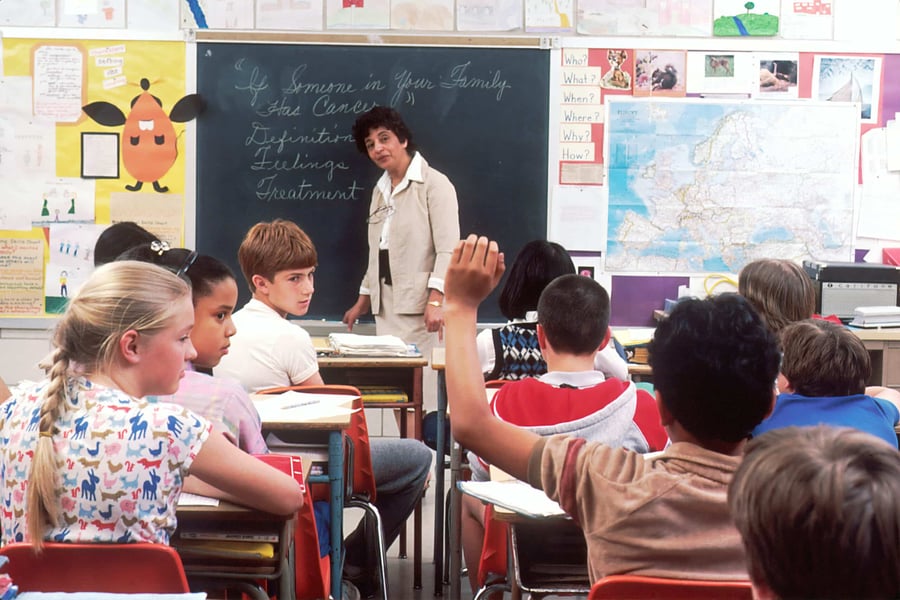
Education shapes minds, influences futures, and sets the tone for generations to come. But at the center of every great educational experience stands a teacher. While the world rushes ahead with advancements in technology, psychology, and communication, the training systems designed for educators often lag behind. We talk about upgrading classrooms and adding digital tools, but what about upgrading the very people responsible for wielding them? Teachers deserve more than outdated manuals and rigid certification processes. They need dynamic, modernized training that reflects the evolving needs of today’s students. It’s time we talk seriously about upgrading teacher education.
- The Changing Landscape of the Classroom Today’s classroom looks nothing like it did twenty years ago. Students walk in with smartphones in hand, access to AI-powered tools, and exposure to global content at their fingertips. They bring diverse needs, learning styles, and cultural backgrounds. Teachers now juggle more than just subjects—they manage mental health, inclusivity, and digital citizenship. To equip teachers for this, training must evolve. Sticking to old instructional methods leaves them unprepared and overwhelmed. A modern classroom requires modern skills. It’s no longer about rote learning; it’s about understanding how to connect, empathize, and adapt in real-time.
- Outdated Training Structures Are Holding Teachers Back Many teacher preparation programs still rely on lecture-heavy models and theory-based content with little relevance to real-world classrooms. Trainees often study outdated pedagogy while missing out on crucial aspects like tech integration, student psychology, and differentiated instruction. The result? New teachers enter classrooms feeling underprepared and burnt out within the first few years. Instead of energizing educators, our current training systems stifle their growth. This is where professional education programs come into play—they offer practical, targeted experiences that bridge the gap between theory and application. We need to integrate more such models to bring training up to speed.
- Real-World Skills Trump Theory-Heavy Curricula Theoretical knowledge has its place, but real teaching happens in the chaos of a live classroom. It happens when a student refuses to engage, when technology crashes mid-lesson, or when a lesson plan doesn’t resonate. Traditional training often fails to prepare teachers for these unpredictable, high-stakes moments. What they need is hands-on experience, simulated environments, and mentorship that focuses on real-time problem-solving. Training should reflect the classroom’s rhythm, not just its research. When educators develop the agility to respond, adapt, and recover, they feel more confident—and their students benefit from that confidence, too.
- Emotional Intelligence and Classroom Management Need Focus Every classroom has a pulse. Behind every subject and lesson plan are students navigating emotions, identities, and challenges. Managing a room full of young people requires more than disciplinary tactics. Teachers must recognize emotional cues, mediate conflicts, build trust, and foster safe spaces for learning. Emotional intelligence should be a foundational part of training, not an afterthought. Classroom management isn’t just about rules; it’s about relationships. Educators who can connect with students on a human level create lasting impact. Modern training must acknowledge this and prepare teachers to lead with empathy and emotional awareness.
Upgrading teacher training isn’t optional—it’s urgent. We ask educators to shape the future, yet we equip them with tools from the past. By modernizing training to include real-world preparation, tech fluency, emotional intelligence, and cultural competence, we invest in stronger classrooms and brighter outcomes. It’s time to respect the complexity of teaching and support it with systems that match.
Copyright © 2025 California Business Journal. All Rights Reserved.
For California Business Journal Disclaimers, go to /terms-conditions/.


