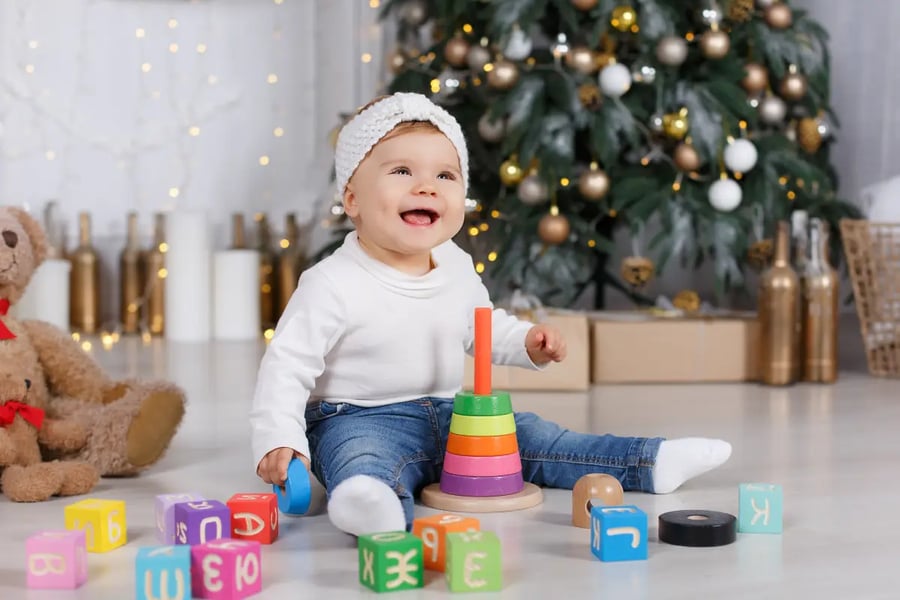
Parents often celebrate major milestones such as a baby’s first smile, first step, and first word. Language development is an important part of early childhood because it helps children express their needs, build relationships, and interact with the world around them. While every child develops at a different pace, understanding how speech skills emerge can help parents provide the right support during the early years.
How Communication Begins
Communication starts long before babies say recognizable words. During the first few months of life, infants learn by listening to voices, observing facial expressions, and responding to sounds. They communicate through crying, cooing, and other vocalizations that allow them to connect with caregivers.
By six months, many babies begin babbling sounds such as “ba,” “da,” and “ma.” Although these sounds may resemble real words, they are usually part of the learning process as babies experiment with different mouth movements and sounds.
Understanding Early Speech Milestones
As babies approach their first birthday, they become more responsive to language. They may recognize familiar names, react to simple instructions, and use gestures such as pointing or waving. Around this stage, parents often become curious about when babies will begin using meaningful words.
For families interested in learning more about when babies usually begin saying mama and other first words, this resource offers helpful insights into common language milestones.
It is important to remember that developmental timelines can vary. Some children speak earlier than expected, while others take additional time before using words consistently.
Ways to Encourage Language Growth
Parents can support speech development through everyday interactions. Talking to babies throughout the day exposes them to new words and sentence patterns. Simple activities such as describing daily routines, naming objects, and responding to a baby's sounds help strengthen communication skills.
Reading together is another valuable activity. Picture books introduce children to vocabulary while encouraging listening and attention. Singing songs and nursery rhymes can also help babies become familiar with the rhythm and sounds of language.
The Value of Responsive Interaction
Language learning is most effective when communication goes both ways. When parents respond to a baby's gestures, babbles, or facial expressions, children learn that communication has meaning. This interaction encourages them to continue experimenting with sounds and words.
Even simple conversations can have a lasting impact. A baby may not understand every word being spoken, but repeated exposure helps build the foundation for future language development.
Final Thoughts
Early language development is a gradual process that begins long before a child speaks clearly. Through regular conversation, reading, and responsive interaction, parents can create an environment that supports healthy communication skills. Every babble, gesture, and first word represents an important step in a baby's journey toward language and learning.
Copyright © 2026 California Business Journal. All Rights Reserved.
For California Business Journal Disclaimers, go to /terms-conditions/.


