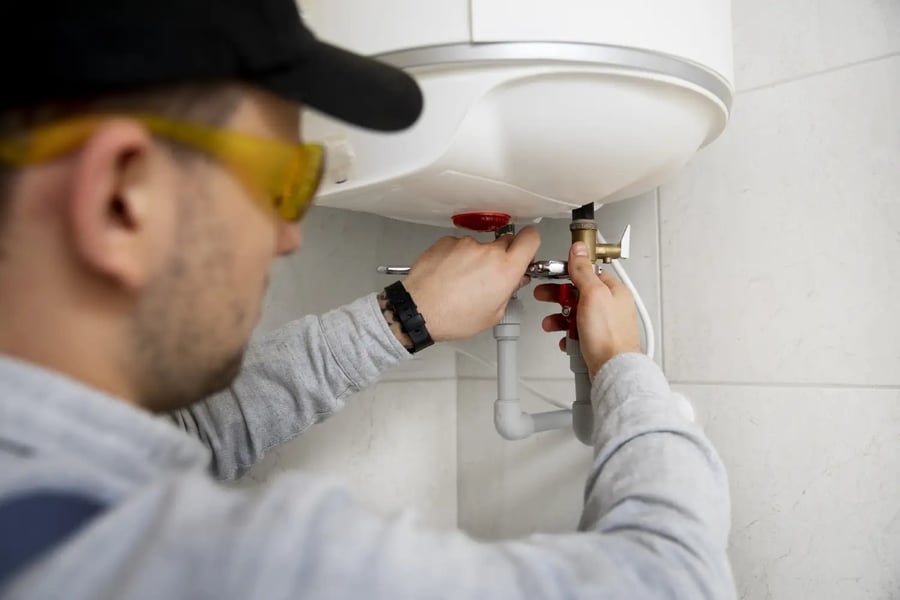
Hot water isn’t just comfort — it’s a necessity. A well-planned water heater installation transforms everyday living, making routines smoother and more efficient. But this isn’t simply swapping an old unit for a new one. It’s about creating a system designed for reliability, efficiency, and durability. Done right, it saves time, money, and stress. Done wrong, it becomes a chain of problems disguised as savings. This guide will break installation into clear steps so you know exactly what to expect and how to get it right.
1. Assessing Household Needs
Before installation begins, clarity matters. How much hot water does your home require daily? Do showers, laundry, and dishwashing overlap? How many people rely on the system? These details determine whether a storage tank or tankless heater fits best. A storage tank heater works well for households with steady demand. Tankless units excel in efficiency and save space. But choosing without calculation is like aiming without sight — it wastes resources. Placement also matters: small spaces require creative setups, while larger areas offer flexibility. The right decision here sets the stage for years of smooth operation. Assessing your household’s patterns now means fewer headaches later.
2. Installation Essentials
Installing a water heater is precision work. Old units require careful removal — draining, disconnecting, and removing without damaging plumbing or walls. Gas systems demand accurate venting to keep fumes out of living spaces. Electric systems require secure, calibrated wiring. Pipe alignment and valve calibration are critical for even heating and safe operation. Professionals test everything: thermostat settings, pressure levels, and flow performance. These steps ensure the system functions exactly as it should. Proper installation doesn’t just plug in a unit; it integrates the system into your home so it works flawlessly day after day. This is where quality work transforms into lasting comfort.
3. Avoiding Common Pitfalls
A poor installation may not show problems right away, but it almost always leads to expensive and frustrating issues later. Things like uneven heating, leaks, strange noises, or higher energy bills often come from small mistakes made during setup. Safety is another big concern—improper venting, wiring errors, or misaligned valves can create serious risks. Many people also forget to think about the future. Families grow, daily routines change, and hot water needs increase. If your system isn’t installed with those changes in mind, you may end up replacing it much sooner than expected. Careful, thoughtful installation isn’t just about getting it running today—it’s about planning ahead so your water heater delivers comfort, safety, and savings for years without surprise costs.
4. Future-Ready Upgrades
The best installations look ahead. Future-ready water heating solutions mean creating flexibility for efficiency upgrades, technology upgrades, or more capacity later without replacing the whole system. Options include high-efficiency storage tanks, hybrid heaters, and smart controls. Future-ready upgrades can also mean solar heating, adding tankless boosters, or adding controls to adjust water temperature remotely. These upgrades give you flexibility without sacrificing performance. Planning ahead at the installation stage turns a water heater into a long-term home asset. This isn’t just solving a need now — it’s preparing your home for tomorrow.
5. Maintenance Strategies
Installation doesn’t end at startup. Regular maintenance keeps performance strong and extends lifespan. Flushing tanks removes mineral buildup. Valve checks prevent leaks. Sacrificial anode inspection prevents corrosion. Maintenance is proactive care. Hot water needs to shift with seasons and routines, and keeping your system in check ensures steady performance. This approach saves money, prevents emergencies, and keeps comfort consistent. Treat your system as a long-term asset, and it will repay you with years of dependable service without surprise breakdowns.
A well-executed water heater setup transforms a house into a home that delivers steady comfort and efficiency. Thoughtful planning, precision installation, avoiding oversights, preparing for future needs, and committing to maintenance create systems that last. This isn’t just about hot water — it’s about stability, efficiency, and peace of mind. Strong installation makes daily life easier, safer, and far more comfortable.
Contact Doyle Plumbing at 720-638-8839 for expert water heater guidance and solutions that keep your home and water running efficiently and comfortably.
FAQs
1: How long does a water heater setup take?
Most installations take a few hours, though more complex setups or additional upgrades may require extra time.
2: How can I tell if my water heater needs replacing rather than repairing?
Frequent repairs, uneven heating, strange noises, leaks, or a unit older than 10–12 years often mean replacement is the smarter choice.
Copyright © 2025 California Business Journal. All Rights Reserved.
For California Business Journal Disclaimers, go to /terms-conditions/.


