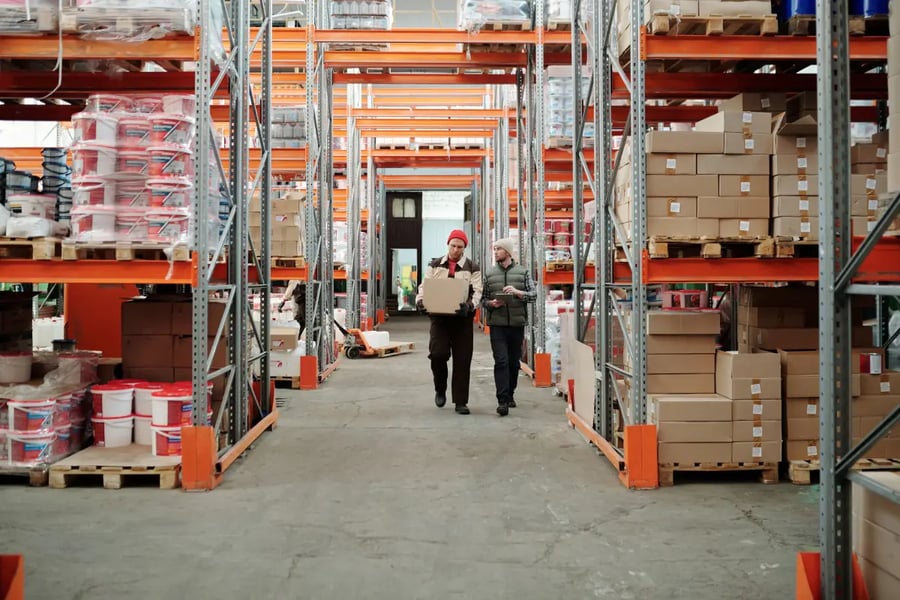
Small warehouse problems rarely show up wearing a giant flashing sign. They sneak in through wasted steps, cluttered aisles, dead batteries, and that one lift truck noise everyone keeps pretending is "probably fine." If you run or manage a warehouse, even a small one, your best wins often come from boring but smart habits.
Spot Delays Early
You can save a lot by catching those delays before they grow legs. Ask your team where they lose time every day. You’ll usually hear the same themes: looking for supplies, waiting on equipment, or redoing simple tasks. If one of your Nissan Unicarriers trucks needs attention, you can click for information when you need the right parts context, instead of letting a minor equipment issue drag on.
Build Smarter Routines
The best warehouse routines are simple enough that people will actually do them. You don’t need a ten-page checklist that nobody reads after Tuesday. You need a few habits that make the day easier from the start.
A strong opening routine can do a lot. That might mean checking equipment, clearing walk paths, confirming batteries are charged, and making sure packing supplies are where they belong. At the end of the day, a short reset matters too. Clean up obvious messes, return tools, and flag anything that needs repair.
Train For Consistency
Many warehouse mistakes don’t happen because people don’t care. They happen because each person learns a different version of the job. One person puts returns in one place, someone else puts them somewhere "temporary," and then poof, your inventory starts playing hide-and-seek.
That’s why consistent training matters. Keep it clear and practical. Show new hires how things are done and explain why the process exists. People follow routines better when they understand the point. "Do this because I said so" has never been a superstar teacher.
Short refresher training also helps longtime employees. You’re not treating people like beginners. You’re keeping standards from drifting. Go over safe equipment use, reporting steps, labeling rules, and cleanup expectations. Use signs and reminders that are easy to notice, not walls of text everyone learns to ignore.
Fix Small Issues Fast
Minor maintenance problems love to become expensive surprises. A strange vibration, a slow lift, worn wheels, sticky controls, or a battery that isn’t holding charge can all chip away at productivity long before a machine fully quits.
Your operators often notice these signs first. That makes them your early warning system, not just equipment users. Make it easy for them to report problems without feeling like they’re making a fuss. A simple logbook, shared form, or quick message process can work fine.
Use Space More Wisely
A warehouse can have enough square footage and still feel cramped if the layout fights your team every step of the way. When people backtrack constantly, squeeze around bad storage choices, or search for common items, the space is costing you time.
You don’t need a total redesign to see results. Sometimes moving one rack, tightening up one area, or creating one better labeling system can change the feel of the whole operation. Better flow means fewer mistakes and less daily frustration.
Track What Really Matters
You can drown in numbers if you’re not careful. For most small and midsize warehouse teams, the smartest move is tracking a few useful measures instead of building a spreadsheet monster that nobody updates.
The point of tracking isn’t to blame people. It’s to spot patterns early and make better decisions. Small warehouse habits can save real money when they’re repeated often enough. Fix one delay, improve one routine, and organize one problem area at a time. That’s how smoother operations are built in real life.
Copyright © 2026 California Business Journal. All Rights Reserved.
For California Business Journal Disclaimers, go to /terms-conditions/.


