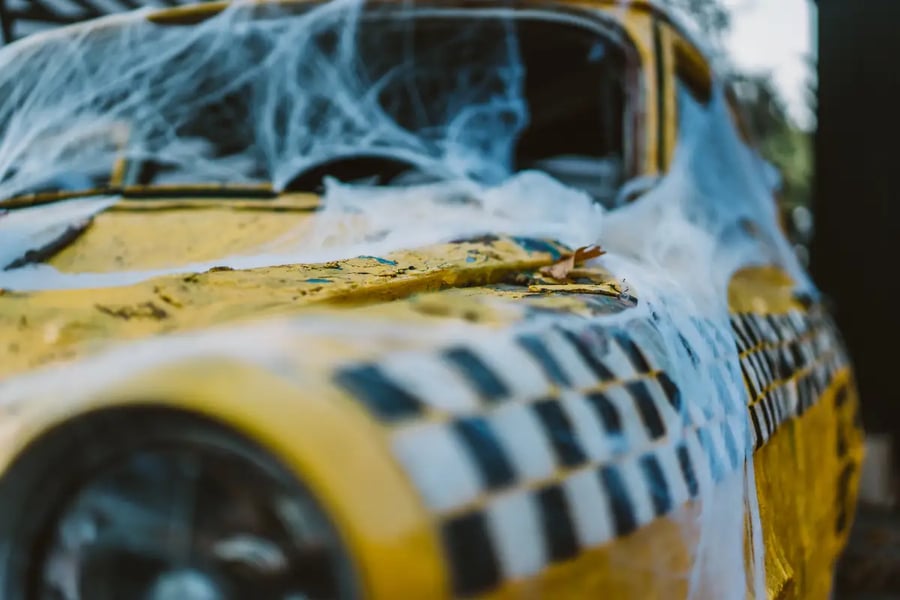
That old car sitting at the curb might look harmless, but in San Francisco, it can quickly become a magnet for tickets, towing notices, and smooth-talking scammers who promise cash and vanish just as fast. If you are thinking about parting ways with a damaged or non-running vehicle, knowing how to protect yourself is just as important as getting paid.
Why Scammers Target Junk Car Sellers in San Francisco
San Francisco has a unique car market shaped by limited parking, strict city enforcement, and steady demand for scrap metal. These conditions make quick vehicle sales common, especially when owners are trying to clear space or dispose of a non-running car. In this environment, you may start looking for ways to sell your junk car in San Francisco, which is exactly when opportunistic buyers tend to step in. They promise instant cash, avoid detailed conversations, and often disappear once paperwork becomes necessary.
Many sellers simply want to free up space or stop paying insurance on a vehicle that no longer works. That practical motivation can lead to overlooked steps such as verifying business licenses, confirming payment methods, or properly transferring the title. In a city where parking violations add up quickly, scammers rely on sellers skipping details rather than asking careful questions.
Red Flags That Should Make You Pause
A legitimate buyer will answer questions clearly and provide documentation without hesitation. If someone refuses to share their business name, avoids written agreements, or pressures you to decide within minutes, take that as a warning. Unclear explanations about payment timing or method are another sign that something may not be right.
Watch for these specific red flags before handing over your keys:
- Offers that seem far higher than others without seeing the vehicle
- Requests to leave the signed title in the car without giving you a bill of sale
- Cash payments that suddenly become checks at the last moment
- Tow trucks that arrive with no company branding or proper paperwork
Trust your judgment. If a deal feels rushed or strangely complicated, step back and reassess before moving forward.
How to Verify a Legitimate Junk Car Buyer
Doing a little homework can prevent serious problems later. In California, vehicle dismantlers and scrap buyers must meet licensing requirements. Ask for the company’s license number and verify it through the California Department of Motor Vehicles or appropriate regulatory agencies. A legitimate business will provide this information without hesitation.
You should also confirm exactly how and when payment will be made. Reputable buyers typically pay on the spot, either in verified cash or through secure electronic methods. Make sure you receive a bill of sale and complete the Notice of Transfer and Release of Liability form with the DMV. This protects you from being held responsible if the car is abandoned or involved in a violation after pickup.
Pricing Your Junk Car Without Getting Lowballed
Even a damaged vehicle still has value. Its worth depends on the make, model, year, condition, and current scrap metal prices. In San Francisco, where parts and metal are consistently in demand, your vehicle may be worth more than you expect.
Before accepting an offer:
- Get multiple quotes from different buyers.
- Be honest about the vehicle’s condition.
- Ask whether towing is included at no extra cost.
- Confirm that the quoted price will not change upon arrival unless details were misrepresented.
Some dishonest buyers attract sellers with an inflated estimate over the phone, then reduce the offer dramatically when they arrive. A reliable buyer will explain how the price is calculated and remain consistent.
Protecting Yourself During Pickup
Pickup day is where details matter most. Remove all personal belongings from the vehicle, including documents stored in compartments or under seats. Take photos of the car before it is loaded onto the tow truck to document its condition.
When the buyer arrives, verify their identification and company details. Do not sign a blank title or incomplete paperwork. Clearly fill in the buyer’s name, address, and the sale date. Keep copies or take photos of every document you sign. These simple actions create a record that protects you from future disputes.
If possible, schedule the pickup during daylight hours and in a visible location. While most transactions go smoothly, visibility adds another layer of security.
Why Selling Your Junk Car Is Still a Smart Move
Avoiding scams does not mean avoiding the sale altogether. In fact, once you understand the process and protect yourself properly, selling your junk or damaged car becomes a practical and financially smart decision.
An unused vehicle drains money through registration fees, insurance, and potential fines. In a city like San Francisco, where parking enforcement is strict and space is limited, letting a non-running car sit idle can become expensive. Working with a reputable buyer turns that burden into immediate cash. You free up space, eliminate ongoing costs, and contribute to recycling efforts that keep usable materials in circulation.
Letting go of a junk car does not have to feel uncertain. With careful research, proper documentation, and a clear plan, you can avoid costly mistakes and walk away confident that you made the right choice.
Copyright © 2026 California Business Journal. All Rights Reserved.
For California Business Journal Disclaimers, go to /terms-conditions/.


