When it comes to securing your property, few decisions are as critical as selecting the right lock system. Whether you're a homeowner, a business owner, or a renter, a dependable lock system forms the first line of defense against potential threats.
But with so many options on the market, it can be overwhelming to choose the right one. A reliable lock not only protects your property but also affords you peace of mind, knowing that your loved ones are safe.
Let's delve into the top considerations you should keep in mind while selecting a lock system. Keep on reading.
Understanding Your Needs
The first step in choosing a suitable lock system is understanding your specific needs. Consider the following factors:
Type of Property
Different places need different locks. A house, an office, or a factory all have different security needs. Picking the right type helps keep your property safe.
Location
Where your property is matters. High-crime areas may need stronger locks or extra security. Low-crime areas might need simpler solutions.
Access Control
Think about how people will enter. Do you want keys, codes, or remote access? Each option has its own advantages and limits.
Budget
Money matters when choosing locks. Your budget decides what kinds of locks you can get. Sticking to it helps avoid overspending.
By assessing these factors early on, you can streamline your search and ensure that the options you consider align with your security requirements.
Types of Lock Systems
There are various types of lock systems available, each offering unique advantages. Here are a few examples:
Traditional Keyed Locks
These are the most common lock systems, which operate using a physical key. While they are easy to install and replace, they may be vulnerable to picking, bumping, or unauthorized duplication. However, opting for high-security brands can significantly enhance their effectiveness.
Electronic Locks
These locks offer keyless entry options using PINs, biometrics, or smart devices. One of the key benefits is that you can change the entry codes without needing to replace the entire lock system. However, these systems require batteries and may be susceptible to electronic hacking if not properly maintained.
Deadbolts
Deadbolts are a popular choice for homeowners, adding an extra layer of security. By investing in a high-grade deadbolt, you can thwart most break-in attempts. Combining deadbolts with a traditional lock greatly enhances your home's security.
Smart Locks
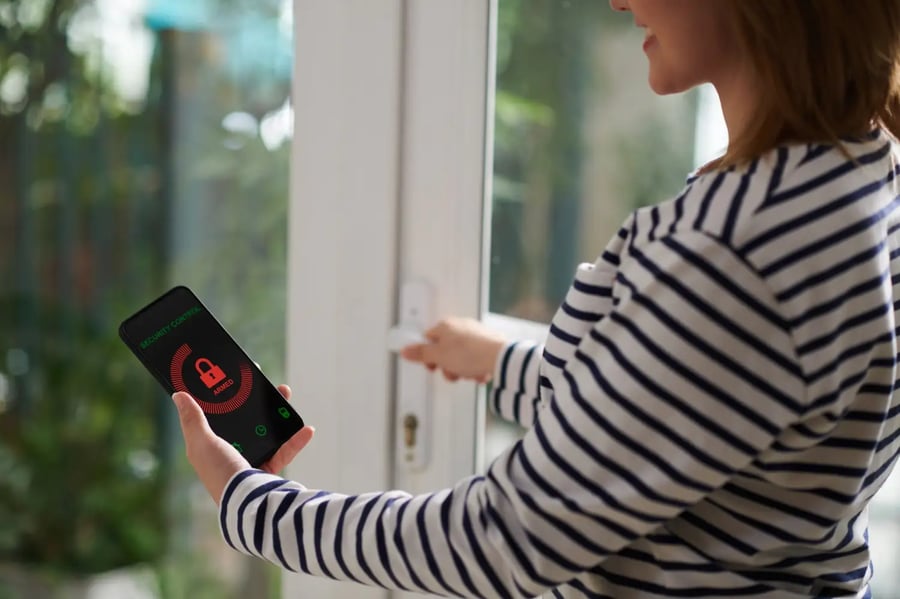
Smart locks integrate with your home automation system or smartphone. They enable remote locking, unlocking, and monitoring. While they are convenient, you should ensure that the smart lock you choose has robust security protocols to avoid vulnerabilities.
Security Ratings and Certifications
When choosing a lock system, it is important to pay attention to security ratings and certifications. These ratings indicate how well a lock can resist tampering, forced entry, and wear over time. Look for products rated by organizations such as the American National Standards Institute (ANSI). Locks are typically rated from Grade 1 (highest security) to Grade 3 (lowest security), based on their durability, strength, and resistance to physical attacks.
In addition to ANSI ratings, check for certifications from the Builders Hardware Manufacturers Association (BHMA). BHMA-certified locks ensure consistent performance and reliability under daily use. Some locks may also carry UL (Underwriters Laboratories) certifications, which test fire resistance and overall safety standards.
Considering these ratings and certifications helps ensure you are investing in a high-quality lock that provides both security and peace of mind. It is also wise to consult a locksmith or security professional to understand which certifications are most relevant for your property type and risk level.
Installation Considerations
Proper installation is very important for any lock system to work well. Even the strongest lock can be weak if it is installed incorrectly. Poor installation can make it easy for intruders to break in, defeating the purpose of the lock.
While some people try to install locks themselves, this can be risky. A mobile locksmith has the tools and experience needed to fit locks correctly. They can make sure the lock works smoothly, the alignment is perfect, and all components are secure.
Professional installation also helps prevent problems like jammed locks, loose screws, or damaged doors. Many locksmiths can offer advice on the best placement for locks and recommend extra security measures. Investing in professional installation can save time, money, and frustration in the long run.
Maintenance and Upkeep
After you put in your lock system, you need to take care of it. Locks can get old and stop working well if you do not watch them. Regular care helps them last longer and keeps your property safe.
Check your locks often to make sure they work right. Add some lubricant now and then so the parts do not get stuck. For electronic locks, change the batteries when needed so you do not get locked out.
Also, keep the locks clean and clear of dust or dirt. Small problems can turn into big ones if ignored. Spending a little time on maintenance helps avoid surprises and keeps your property more secure.
Cost Considerations
While keeping your property safe is very important, cost is also something to think about. Lock systems can be cheap or very expensive, and the price usually matches the security level and features. Choosing the right balance between cost and protection is key.
Initial Cost vs. Long-Term Investment
Some locks cost more at first but last longer and need fewer repairs. Cheaper locks might save money now but can fail sooner and need replacement. Thinking about the long-term cost can help you make a smarter choice.
Insurance Benefits
High-security locks can sometimes lower your insurance costs. Insurance companies see stronger locks as less risk for break-ins. Installing better locks may help you save money on your premiums.
Potential Discounts
Local locksmiths or stores may offer deals or discounts if you buy multiple locks. Some companies run seasonal promotions or installation specials. Taking advantage of these offers can reduce the overall cost of securing your property.
Understanding the long-term implications of your investment in lock systems can help balance your spending while ensuring your property remains secure.
Making the Right Choice
Selecting the right lock system is an essential step toward securing your property effectively. By assessing your specific needs, understanding different types of locks, considering security certifications, and ensuring professional installation, you position yourself for improved safety.
Regular maintenance and thoughtful financial planning can maximize your investment and enhance security. With these considerations in mind, protect your property today by investing in a lock system that meets your security requirements.
Copyright © 2025 California Business Journal. All Rights Reserved.
For California Business Journal Disclaimers, go to /terms-conditions/.


