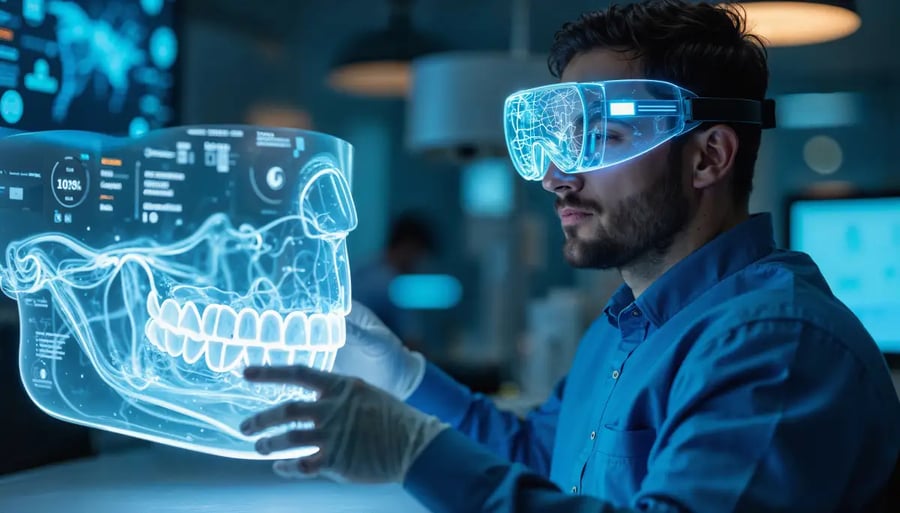
As digital workflows become the standard in modern dentistry, precision-driven components are gaining increased attention. One such component is the scan body—a small but critical element that directly influences the accuracy of digital impressions and prosthetic outcomes.
While scanners, software, and milling systems often dominate discussions about digital dentistry, the scan body remains a foundational link between physical implants and digital design environments.
What Is a Scan Body?
A scan body is a temporary component attached to a dental implant or implant analog during intraoral or laboratory scanning. Its purpose is to accurately transfer the implant’s three-dimensional position, orientation, and connection geometry into CAD software.
This digital data allows dental professionals to design restorations that fit precisely, ensuring functional stability and long-term clinical success.
Why the Scan Body Matters in Digital Workflows
In a fully digital implant workflow, precision is cumulative. Errors introduced at the scanning stage cannot be fully corrected later in the process.
An inaccurate or poorly manufactured scan body can lead to:
- Misaligned prosthetic restorations
- Occlusal discrepancies
- Increased mechanical stress on implants
- Additional chair time and remakes
For this reason, the scan body is not merely an accessory—it is a precision instrument.
Key Features of a High-Quality Scan Body
A reliable scan body must meet strict technical and clinical requirements:
- Dimensional Accuracy: Exact tolerances ensure precise implant position transfer
- Stable Materials: Scan-optimized, non-reflective materials improve data capture
- Connection Integrity: Secure and accurate implant connections prevent rotational errors
- Software Compatibility: Recognition within major CAD/CAM platforms
These features directly affect the quality of digital impressions and the predictability of final restorations.
Manufacturing Precision and Clinical Reliability
The performance of a scan body depends heavily on how it is designed and manufactured. This is where specialized dental technology companies play a decisive role.
Edison Medical develops implantology components engineered specifically for digital dentistry. The company focuses on precision manufacturing, material reliability, and compatibility with widely used implant systems—key factors for clinicians and laboratories working in digital environments.
By aligning product development with real clinical workflows, manufacturers like Edison Medical help reduce variability and support consistent treatment outcomes.
Business Impact for Dental Practices
From a business perspective, reliable scan bodies contribute to:
- Fewer prosthetic remakes
- Reduced laboratory corrections
- Improved workflow efficiency
- Higher patient satisfaction
These advantages translate into measurable cost savings and improved operational performance, particularly for practices with a strong focus on implant dentistry.
The Growing Role of Scan Bodies in Digital Dentistry
As digital dentistry continues to evolve, scan bodies are becoming increasingly standardized and optimized for advanced workflows, including guided surgery and full-arch restorations.
Future developments may include:
- Greater integration with AI-assisted design software
- Improved universal compatibility
- Enhanced materials optimized for next-generation scanners
These trends further emphasize the importance of selecting high-quality scan bodies as part of a long-term digital strategy.
Conclusion
The scan body may be small in size, but its role in digital implant dentistry is substantial. By enabling accurate data transfer from the clinical setting to the digital design stage, it supports precision, efficiency, and predictable outcomes.
As dental practices continue to invest in digital technologies, choosing reliable scan bodies and trusted manufacturing partners will remain a critical factor in delivering high-quality, future-ready dental care.
Copyright © 2026 California Business Journal. All Rights Reserved.
For California Business Journal Disclaimers, go to /terms-conditions/.


