Running a manufacturing business comes with serious responsibilities. Beyond meeting those production targets that you set yourself and managing your costs, you have to ensure that your workplace is safe for everybody involved. Manufacturing environments often include heavy machinery with lots of moving parts, hazardous materials, and a fast-paced workflow. Without proper planning in your safety and health, you're going to find that accidents happen quickly and often.
Creating a safe workplace protects you, your employees, reduces your down times, avoids legal trouble, and strengthens your company's reputation. Below are key safety considerations that every manufacturing business owner should keep in mind.
1. Conduct regular risk assessments
The first step in improving safety is understanding your risks. With the proper risk assessment, you can make sure that you are on top of your specific operation. Every manufacturing facility is different, so you need to evaluate first. Look at machinery and equipment, work processes, storage areas, chemical handling and electoral systems. And identify potential hazards and determine how likely accidents are to occur. Once risks are clear, you can take practical steps to reduce or eliminate them. Risk assessments should not be a one time task. Review them regularly, especially when introducing new equipment or processes.
2. Provide proper training
Safety considerations for your business are one thing, but your people are what make your business great. Even the safest equipment can become dangerous if it's not used correctly and your employees are not trained properly, and that will be on you. Every worker should understand how to operate machinery safely, follow procedures, and respond in emergencies. Training should include everything from equipment operation guidelines, hazard communication, fire safety protocols, emergency shutdown, and first aid basics. It also should not be something you do once and put away. Training should be ongoing with refresher sessions helping to prevent complacency and keep safety on top of mind.
3. Maintain your equipment consistently
Poorly maintained machinery is one of the leading causes of workplace accidents. Worn parts, broken guards and faulty wiring can quickly create dangerous conditions. Setting up a maintenance schedule that includes regular inspections with lubrication and cleaning included, as well as replacement of worn components is important. If there are issues, immediate repair should be scheduled straight away. Documenting all maintenance activities ensures accountability and compliance with safety regulations, but it also keeps you in check to know how often you've had things looked at.
4. Use proper protective equipment.
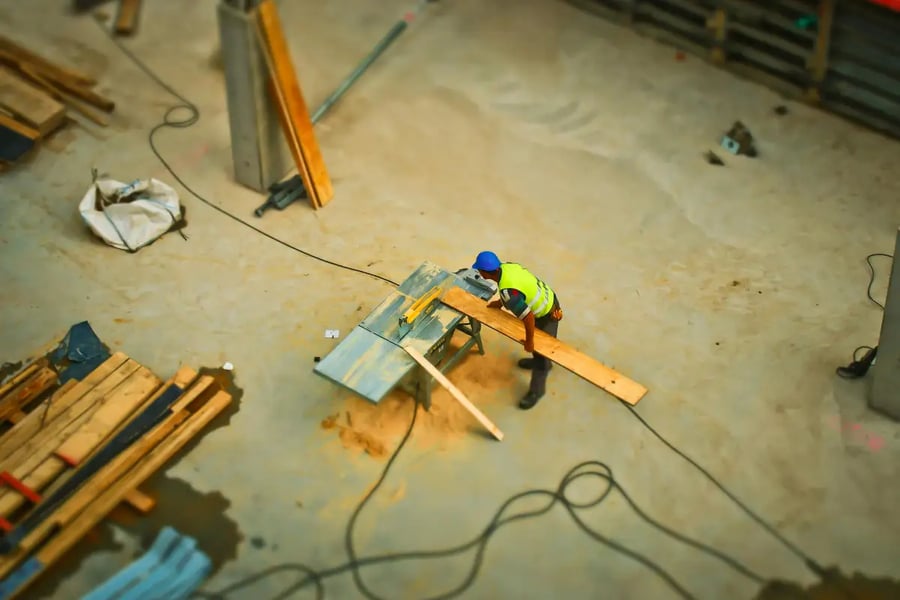
Personal protective equipment is essential in manufacturing environments. You might need safety helmets, protective gloves, eye protection, ear protection, high visibility clothing and steel toe boots depending on your industry. You need to make PPE easily available and in the right sizes as well as enforcing its use consistently. Simply providing equipment is not enough, you have to ensure people wear it and it should be a rule.
5. Plan for safe equipment use
If your manufacturing business occasionally relies on equipment rentals to handle peak workloads or specialized tasks, ensure the same safety standards apply as they do with your own machinery. Before using rented equipment, inspect it thoroughly and confirm it meets safety standards. Provide your team with proper training, review manufacturer instructions and insurance, and never assume temporary equipment is automatically safe. If you skip the proper checks, you're not preventing unnecessary risks.
6. Create clear safety procedures.
Written safety procedures help to eliminate confusion. Every employee should know exactly what steps to follow when performing a task, and your procedure should cover everything from machine startup and shutdown to emergency evacuation routes. If you have machinery that is using high volatile chemicals, then chemical handling and waste disposal should also be in there. Posting clear signage around the facility to reinforce important rules is important because the simplest and visible reminders prevent serious mistakes.
7. Keep the workplace clean and organised.
Cluttered floors, blocked exits, disorganized workstations, these are all trip hazards. Slips, trips and falls are among the most common workplace injuries, so keep all the walkways clear and stall your tools away properly. Any spills that happen need to be cleaned immediately and you should organise your materials safely. A clean workspace also improves efficiency and morale, so you'll be doing your people a favour.
8. Prepare for emergencies.
Emergencies can include anything from a fire and a chemical spill to machinery malfunctions or medical incidents. Planning ahead here can save lives. You should always make sure that you've got fire extinguishers and accessible locations with clearly marked exits and first aid kits everywhere. There should be easily accessible emergency contact lists. Evacuation plans and conducting regular emergency drills is the cherry on top of the safety pie. Employees need to know exactly what to do under pressure, and you need to have a designated emergency leader for this.
9. Encourage open communication.
Employees are often the first to notice potential safety issues. Create a culture where workers feel comfortable to report hazards without fear of punishment. Encourage people to report unsafe conditions, suggest improvements, and speak up about equipment being faulty. You also want to encourage your people to share concerns about procedures in case they are not working for those on the floor. Just because you have an idea of what safety is good for your business, that doesn't mean that you're able to work it correctly. When employees are involved in safety efforts, your workplace becomes stronger, more secure.
10. Maintain compliance.
Every business, whether in manufacturing or not, must comply with local and National Safety regulations. These are the standards designed to protect workers and prevent accidents. You need to keep yourself updated on workplace safety laws and industry-specific guidelines in case something changes in your tenure as a business owner. Failure to comply can result in fines, shutdowns, or legal action. And more importantly, compliance helps to ensure that your team stays safe.
When safety becomes part of your daily operations rather than an afterthought, your manufacturing business becomes stronger and more efficient.
Copyright © 2026 California Business Journal. All Rights Reserved.
For California Business Journal Disclaimers, go to /terms-conditions/.


