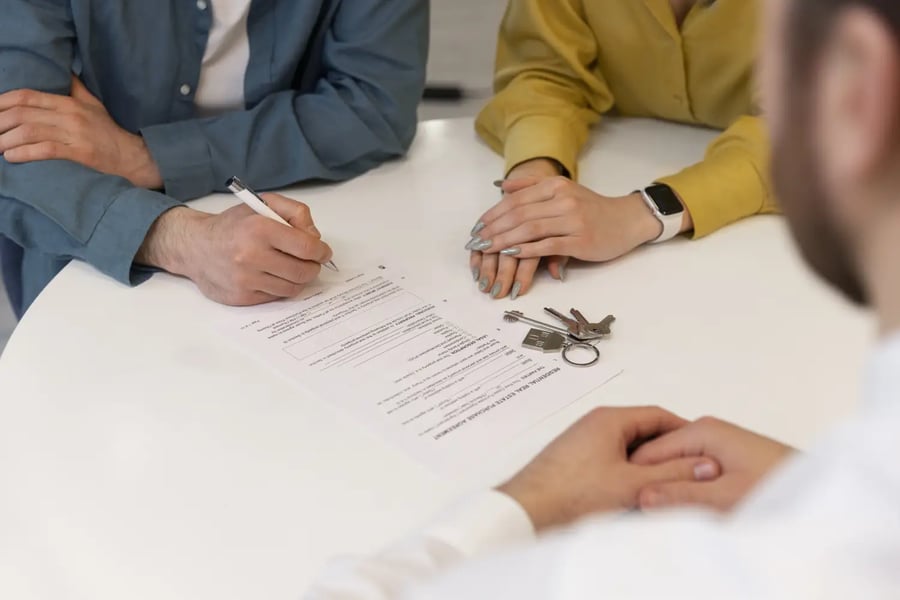
Property disputes can create a lot of stress and confusion. Whether it's a disagreement over property lines, an inheritance issue, or a disagreement between neighbors, these disagreements can become complicated quickly.
Without proper guidance, it's easy to feel overwhelmed. However, with legal support, property disputes can often be resolved smoothly.
Legal professionals have the expertise needed to help you navigate these challenges, restoring peace of mind and ensuring the best outcome for your property value.
Understanding Property Disputes
Property disputes can arise in many forms. One common type occurs when two parties claim ownership over the same land. For instance, if a family member dies and leaves property to several heirs, they might not agree on how to divide the property.
Additionally, disputes can happen between neighbors, such as disagreements about property lines or fences. Understanding the type of dispute you are facing is the first step toward resolution.
Common Types of Property Disputes
There are several common types of property disputes that people may encounter. This includes:
Boundary Disputes
Boundary disputes occur when property owners are uncertain about the exact limits of their land. These disagreements often involve fences, driveways, trees, or shared structures along the property line. Resolving such disputes typically requires a land survey or legal intervention to clarify property boundaries.
Land Use Issues
Land use issues arise when property owners disagree about how land should be used or developed. Common conflicts involve zoning restrictions, building permits, or environmental compliance. These disputes may require local government involvement or legal action to ensure fair and lawful land use.
Inheritance Disputes
Inheritance disputes often happen when heirs disagree on how a deceased person's property should be divided. Emotions can run high, leading to family conflicts and legal challenges. Clear wills and proper estate planning can help prevent these disputes from escalating.
Lease Disputes
Lease disputes occur between landlords and tenants regarding lease terms, rent payments, or property maintenance. Issues may also arise over security deposits or early termination of the lease. Open communication and well-drafted agreements can help prevent misunderstandings and legal conflicts.
The Importance of Legal Support
Seeking legal support is essential when facing property disputes. Legal professionals bring valuable knowledge and experience to the table. They can help you understand your rights and responsibilities regarding your property.
Furthermore, they can provide guidance on how to resolve disputes without escalating tensions. This is particularly important because unresolved disputes can decrease your property value.
Having skilled lawyers on your side can also prove beneficial during negotiations. Their expertise means they can often achieve better results than individuals dealing with disputes alone. Legal support allows you to feel more confident and informed in your decisions.
Choosing the Right Legal Support
Finding the right legal support can make all the difference in resolving your property dispute. Look for lawyers who specialize in property law. They should have experience in handling cases similar to yours.
Research the reputation of potential lawyers. Online reviews can be very helpful in assessing their success.
A good lawyer should be able to communicate complex legal terms in an easy-to-understand manner. They should also be responsive to your questions and concerns.
A lawyer familiar with local property laws can provide you with valuable insights. Underwood partition lawyers are well-versed in property disputes in their region, which can provide a deeper understanding and guidance.
Steps to Resolve Property Disputes
While every property dispute is unique, there are general steps that can help to resolve these issues. Collect any important legal documents, such as the title to the property, deeds, or heirship documents if it's an inheritance dispute. This information will be crucial in determining your rights.
Sometimes, simply sitting down with the other party and discussing the issue can lead to a mutual agreement. Keep open lines of communication, and listen to each other's concerns.
If direct negotiations do not work, mediation can be a helpful next step. A neutral third party can assist both parties in discussing their disagreements and finding a resolution without going to court.
If all else fails, pursuing a lawsuit may be necessary. While this can be a lengthy and expensive process, having skilled legal support can significantly aid in navigating the court proceedings.
The Role of Mediation in Property Disputes
Mediation is a popular method for resolving property disputes. It can be an effective way to reach agreements while avoiding the high costs and long timelines associated with courtroom battles. Mediation involves a neutral facilitator who helps both sides communicate and negotiate.
This process can lead to creative solutions that satisfy both parties. Since both parties have input in the final agreement, they're often more likely to adhere to it. This can bring about a resolution faster than traditional litigation, allowing both sides to walk away satisfied and maintain relationships.
Understanding Legal Terminology
When dealing with property disputes, understanding some basic legal terminology can be incredibly beneficial. For example:
Title
A title refers to the legal right to own, use, and control a piece of property. It confirms who has lawful ownership and authority over the property. Without a clear title, ownership disputes or legal complications can arise.
Deed
A deed is a written legal document that transfers ownership of property from one party to another. It serves as proof that the property has been sold or given to the new owner. Deeds must typically be signed, witnessed, and recorded with the proper authorities to be valid.
Liens
A lien is a legal claim placed on a property as security for a debt or obligation. It ensures that the lender or creditor has the right to seek repayment before the property can be sold or refinanced. Common types of liens include mortgage liens, tax liens, and mechanic's liens.
Preventing Future Disputes
Once a property dispute has been resolved, consider taking steps to prevent similar issues in the future. Regularly reviewing property lines and keeping documentation up-to-date can mitigate misunderstandings. Additionally, open communication with neighbors can prevent disputes before they arise.
Properly documented agreements, clear boundaries, and open dialogue are key. Seeking legal support even before disputes arise can help identify potential issues, ensuring that your property is safeguarded and that you achieve peace of mind.
Take Action for Your Property Settlements
Property disputes can be daunting, but taking action with appropriate legal support can lead to effective resolutions. Understanding the common types of disputes and the reasons to engage legal professionals can make the process manageable. You're not alone in this journey, as skilled lawyers are ready to assist.
Check our website for more ideas like this.
Copyright © 2025 California Business Journal. All Rights Reserved.
For California Business Journal Disclaimers, go to /terms-conditions/.


