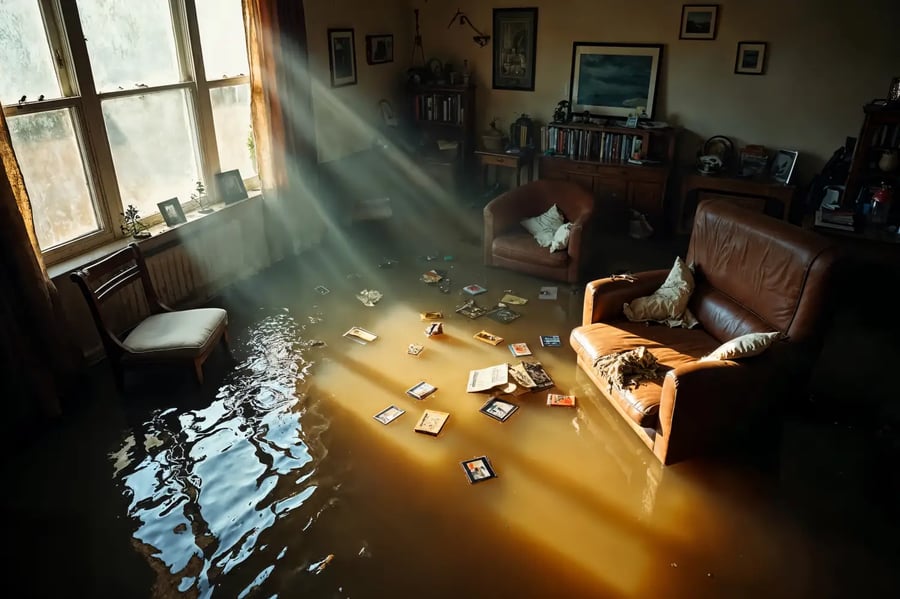
Water damage can sneak up on a homeowner. Sometimes it's obvious, like a burst pipe gushing water, but often it's a slow, insidious process. Catching the early signs of water intrusion is key to preventing bigger problems down the road. Ignoring these indicators can lead to more extensive damage and costly repairs.
Visible Water Stains and Discoloration
One of the most common and noticeable signs of water intrusion is the appearance of water stains. These often show up as splotchy, discolored patches on ceilings, walls, or even floors. They might look like yellow or brown rings, or just a general darkening of the material. Don't dismiss these marks as simple dirt or aging. They are often a clear signal that moisture is present where it shouldn't be. Keep an eye on areas around windows, under sinks, and near any plumbing fixtures, as these are common spots for leaks to start. If you notice these signs in your home, it may be time to call professionals who specialize in water damage restoration Kingston NY, like Paul Davis Restoration, who can identify the source and prevent further structural damage. The presence of these stains is a direct indicator of water damage.
Peeling or Bubbling Paint and Wallpaper
When moisture gets behind paint or wallpaper, it can cause them to lose their adhesion. You might start to see paint peeling away from the surface, or small bubbles forming as moisture gets trapped underneath. Wallpaper can begin to lift at the seams or develop a wavy, distorted appearance. This is a visual cue that the material is being compromised by water damage. It’s not just an aesthetic issue; it means the underlying structure might be getting wet too.
Warped or Sagging Walls and Ceilings
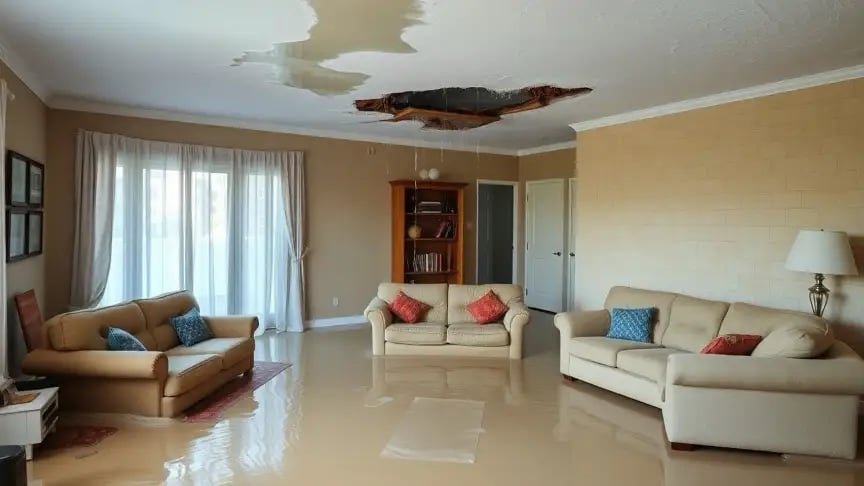
If you notice that your walls or ceilings are starting to look uneven, bowed, or even saggy, it's a serious sign. This usually happens when the structural materials behind the drywall or plaster have become saturated with water. The moisture weakens the material, causing it to lose its rigidity and shape. A sagging ceiling, in particular, can be a sign of significant water accumulation and could potentially collapse if left unaddressed. This level of damage often requires professional water damage restoration.
When Standing Water Becomes a Concern
Water Standing for More Than 24 Hours
If you see water pooling and it doesn't seem to be going away, pay attention. Water that sits around for more than a day can really start to cause problems. Bacteria love to grow in this kind of environment, and mold isn't far behind. Plus, prolonged exposure to water can start to weaken the very structure of your home. It's not just about the mess; it's about preventing bigger, more expensive issues down the line. Swift action is key when dealing with standing water.
Stagnant Water on Surfaces
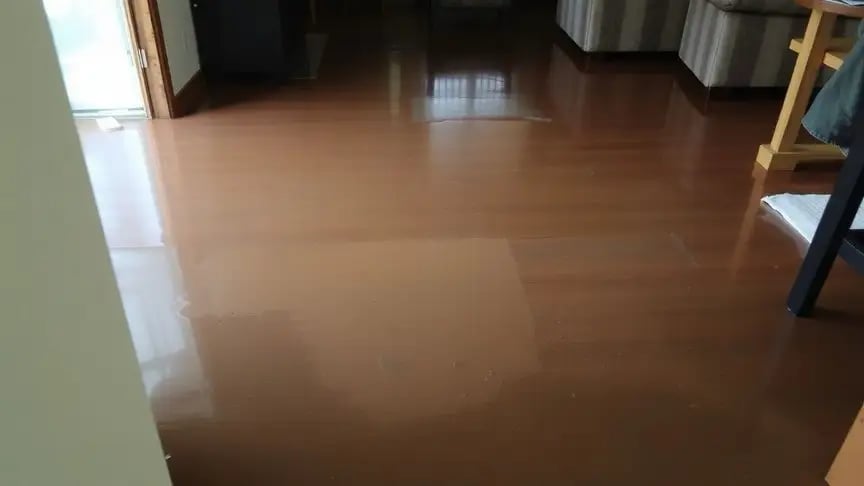
Finding stagnant water on floors, in carpets, or even creeping up walls is a clear signal that something is wrong. This isn't just a minor leak; it suggests a more significant issue, like a burst pipe or a drainage problem. Ignoring this kind of standing water means the problem will likely get worse, leading to more damage. A professional water damage restoration service can identify the source and start the cleanup process quickly.
Damp or Wet Carpeting
Wet carpets are more than just an inconvenience; they can become a breeding ground for mold and mildew if left damp for too long. The padding underneath can soak up a surprising amount of water, and it can take a long time to dry out completely on its own. If you notice your carpets are persistently damp or wet, especially after an incident, it's a good idea to have it checked. Professionals have specialized equipment to extract the water and dry the carpet thoroughly, preventing hidden moisture issues.
Addressing Contaminated Water Sources
Floodwater and Sewage Backups
When floodwaters rise or sewage backs up into your home, it's more than just an inconvenience; it's a serious health hazard. This type of water is highly contaminated, carrying bacteria, viruses, and other dangerous pathogens. Trying to clean this up yourself is risky business. Professionals have the specialized equipment and protective gear needed to safely remove and dispose of contaminated materials. They understand the protocols for dealing with contaminated water sources and can effectively sanitize the affected areas, preventing the spread of illness.
Water from Overflowing Toilets
Even a seemingly simple overflowing toilet can introduce significant contamination into your home. Toilet water contains waste products and bacteria that can quickly spread. If an overflow affects carpets, walls, or other porous materials, it creates a breeding ground for germs. Swift professional intervention is key to containing the spread and thoroughly cleaning and disinfecting the area. Ignoring this can lead to lingering health issues and further damage.
Handling Hazardous Toxins
Dealing with contaminated water sources requires more than just mopping up. It involves understanding the potential for hidden dangers. Professionals are trained to identify and mitigate risks associated with hazardous toxins that might be present in the water. They use advanced testing methods to assess the level of contamination and employ specific remediation strategies to ensure your home is safe. This thorough approach is vital for protecting your family's health and the integrity of your property.
The Presence of Mold and Unpleasant Odors
Mold and bad smells are big red flags. They often show up after water has been sitting around for a while. If you notice these things, it's usually a sign that the problem is more than just a little dampness.
Mold Growth Within 24 to 48 Hours
Mold can start growing surprisingly fast. Within just a day or two of water exposure, you might see mold appearing. It loves dark, damp places. This means it could be hiding behind walls or under floors. If you see any fuzzy patches, especially in colors like green, black, or white, it's a clear indicator that mold is present. This isn't just an eyesore; it can affect the air quality in your home.
Persistent Musty or Foul Smells
Sometimes, you can smell a problem before you see it. A persistent musty or foul odor, like wet laundry left too long, often means there's hidden moisture. This smell comes from the stagnant water and the beginnings of mold growth. Even if you can't pinpoint the exact source of the smell, it's a strong signal that water damage is happening somewhere out of sight. Professionals have tools to find these hidden spots.
Hidden Moisture and Mold Detection
Dealing with mold and odors means looking for hidden water. Professionals use special equipment to detect moisture that isn't visible. This helps them find out where the water is trapped. They can then address the source of the leak and dry out the affected areas completely. This stops mold from coming back and gets rid of those unpleasant smells for good. It's about fixing the root cause, not just the symptoms.
When Structural Integrity Is Compromised
Water damage isn't just about wet carpets and stained walls. Sometimes, it goes much deeper, affecting the very bones of your home. When you start seeing changes in the structure itself, it's a clear signal that professional help is needed.
Buckling or Distorted Flooring
Flooring that buckles, warps, or lifts is a significant indicator of water intrusion. This often happens when the subfloor beneath your finished flooring absorbs moisture. The wood or composite materials swell, causing the visible distortion. This type of damage can make walking unsafe and can spread to adjacent areas if not addressed. Ignoring buckling floors means the moisture continues to weaken the underlying structure, potentially leading to more extensive and costly repairs down the line. It's a sign that water has been present long enough to cause material changes.
Compromised Foundation or Walls
Visible cracks, bowing, or shifting in your foundation or walls are serious signs of structural compromise. Water seeping into the foundation can freeze and expand, or simply exert hydrostatic pressure, leading to cracks and instability. Similarly, moisture in walls can weaken framing and drywall. These issues aren't just cosmetic; they affect the overall safety and stability of your home. A compromised foundation or walls require immediate attention from water damage restoration experts. They can assess the extent of the damage and implement solutions to prevent further deterioration.
Sagging Ceilings and Structural Weakness
If you notice ceilings beginning to sag, especially in areas where there's been a leak, it's a critical warning sign. The weight of absorbed water can cause drywall or plaster to become heavy and pull away from the ceiling joists. This sagging indicates that the structural support is being compromised. Don't wait for a ceiling to collapse; this is a clear indication of severe structural weakness. Professional water damage restoration services have the tools and knowledge to safely remove damaged materials, dry out the affected areas thoroughly, and repair or replace the compromised structural elements, restoring your home's integrity.
Electrical System Risks and Overwhelming Damage
Water Near Electrical Panels and Outlets
Water and electricity are a dangerous mix. When water gets near your home's electrical system, it creates serious risks. Think about outlets, light switches, or even the main electrical panel. If water seeps into these areas, it can cause short circuits. This isn't just a minor inconvenience; it can lead to fires. It's vital to shut off power to affected areas if it's safe to do so, but never touch wet electrical components.
Potential Fire Hazards and Electrocution Risks
The danger from water near electrical systems is twofold: fire and electrocution. A spark from a wet outlet can ignite nearby materials, starting a fire. Worse still, touching a wet surface connected to live electricity can result in a severe shock or even death. This is why electrical safety must be the top priority when water damage occurs. Professionals have the training to assess these risks without putting themselves or others in harm's way.
When Damage Extends to Multiple Rooms
Sometimes, water damage is contained to a single spot. Other times, it spreads. If water has affected multiple rooms, or if the damage seems extensive, it's a clear sign that professional help is needed. Trying to manage widespread water damage on your own can be overwhelming and ineffective. A professional water damage restoration team has the equipment and manpower to tackle large-scale issues efficiently. They can handle everything from drying out soaked materials to addressing potential mold growth in various areas.
Seeking Professional Water Damage Restoration in Kingston NY
The Importance of Swift Professional Action
When water damage strikes, time is not on your side. The longer water sits, the more damage it causes. Mold can start growing in as little as 24 to 48 hours, and structural issues can worsen rapidly. Swift professional action is key to minimizing damage and preventing long-term problems. Ignoring the signs or attempting DIY fixes for extensive water intrusion can lead to more costly repairs down the line. A professional water damage restoration service in Kingston NY understands the urgency and has the tools and training to act fast.
Expert Assessment and Remediation Strategies
Professional water damage restoration experts bring a level of knowledge and equipment that goes beyond typical homeowner capabilities. They can accurately assess the full extent of the damage, including hidden moisture within walls and under floors. This thorough assessment allows them to develop a targeted remediation strategy. They utilize specialized drying equipment, dehumidifiers, and air movers to effectively remove moisture and prevent secondary issues like mold growth. This restoration water damage process is designed to be efficient and complete.
Restoring Your Property to Pre-Damage Condition
The ultimate goal of professional water damage restoration is to return your property to its condition before the damage occurred. This involves not just removing water and drying the structure, but also addressing any compromised materials, sanitizing affected areas, and preventing future problems. Professionals have the experience to handle everything from minor leaks to major flood events, ensuring that your home or business in Kingston NY is safe, healthy, and fully restored. They work to make sure that the water damage restoration is done right the first time.
When to Call It Quits (and Call the Pros)
Water damage can sneak up on you, turning a cozy home into a stressful situation pretty fast. We've talked about some clear signs, like those weird brown spots on the ceiling, that musty smell that just won't quit, or when your floors start looking like a wavy sea. If you're seeing any of this, or if the water situation feels bigger than just a few towels can handle, it's probably time to bring in the experts. They've got the gear and the know-how to really get things dry and clean, stopping problems like mold before they even start. Don't wait too long; getting professional help early can save you a lot of headaches and money down the road.
Copyright © 2025 California Business Journal. All Rights Reserved.
For California Business Journal Disclaimers, go to /terms-conditions/.


