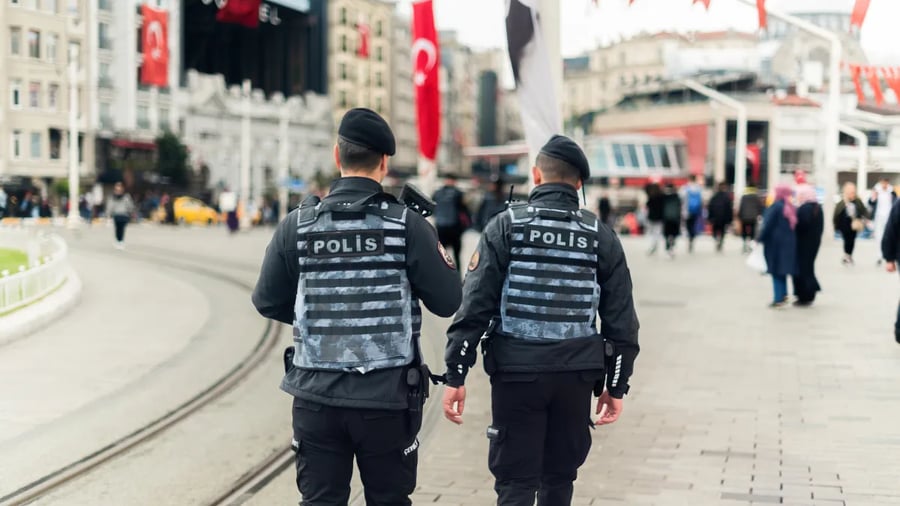
When law enforcement officers misuse their authority, the consequences can be devastating. Victims of excessive force, unlawful arrests, or other forms of misconduct often suffer physical injuries, emotional trauma, and financial hardship. In these situations, Police Brutality Lawyers in Baltimore play a crucial role in protecting constitutional rights and holding authorities accountable. These cases are not only about financial compensation but also about defending civil liberties and promoting justice within the community. Legal representation must be strategic and experienced because police departments and government agencies aggressively defend against these claims.
Understanding Police Misconduct
Police brutality refers to the use of excessive or unnecessary force by law enforcement officers. It may involve physical assault, wrongful shootings, improper use of restraints, or severe mistreatment during detention. Misconduct can also include false arrests, illegal searches, racial profiling, and denial of medical care. Such actions violate constitutional protections, particularly those provided under the Fourth and Fourteenth Amendments. Police Brutality Lawyers in Baltimore carefully evaluate whether an officer’s actions exceeded legal authority and whether those actions caused measurable harm to the victim.
Legal Rights and Civil Claims in Maryland
Victims of police misconduct have the right to pursue civil claims under federal and state laws. Many cases are filed under Section 1983 of federal law, which allows individuals to sue government officials who violate constitutional rights. In Maryland, victims may also pursue claims such as assault, battery, or wrongful death. However, strict deadlines apply to these cases, and missing the statute of limitations can result in losing the right to file a claim. Police Brutality Lawyers in Baltimore ensure that all legal procedures are followed properly and that strong legal arguments support the case.
Challenges in Suing Law Enforcement
Filing a lawsuit against police officers or departments can be legally complex. Officers often rely on a defense known as qualified immunity, which may protect them from liability unless it is proven that they violated clearly established rights. Government agencies also have significant legal resources to defend these cases. Because of these challenges, it is essential to have experienced attorneys who understand civil rights litigation. Skilled Police Brutality Lawyers in Baltimore anticipate these defenses and build strong cases supported by evidence and legal precedent.
Evidence and Compensation for Victims
Strong evidence is critical in any police misconduct case. This may include body camera footage, surveillance videos, medical records, and eyewitness testimony. Attorneys may also consult experts to analyze whether the force used was reasonable under the circumstances. Victims may seek compensation for medical expenses, lost wages, emotional distress, and pain and suffering. In serious cases involving permanent injury or wrongful death, damages may be significant. Beyond financial recovery, these cases can also encourage greater accountability within law enforcement agencies.
Taking Timely Legal Action
Acting quickly is essential in police brutality cases. Evidence can disappear, witnesses may become difficult to locate, and legal deadlines can expire. Early consultation with Police Brutality Lawyers in Baltimore allows attorneys to preserve evidence and begin building a strong case immediately. Prompt legal action not only strengthens the claim but also protects the victim’s rights throughout the legal process.
Conclusion
Police misconduct undermines public trust and violates fundamental constitutional protections. Victims deserve justice, accountability, and fair compensation for the harm they have suffered. By working with experienced Police Brutality Lawyers in Baltimore, individuals can ensure that their rights are protected and their voices are heard. Skilled legal representation provides guidance, strategic planning, and strong advocacy during what is often a very difficult time. Taking action is not only about personal recovery but also about reinforcing the principle that no one is above the law.
Copyright © 2026 California Business Journal. All Rights Reserved.
For California Business Journal Disclaimers, go to /terms-conditions/.


