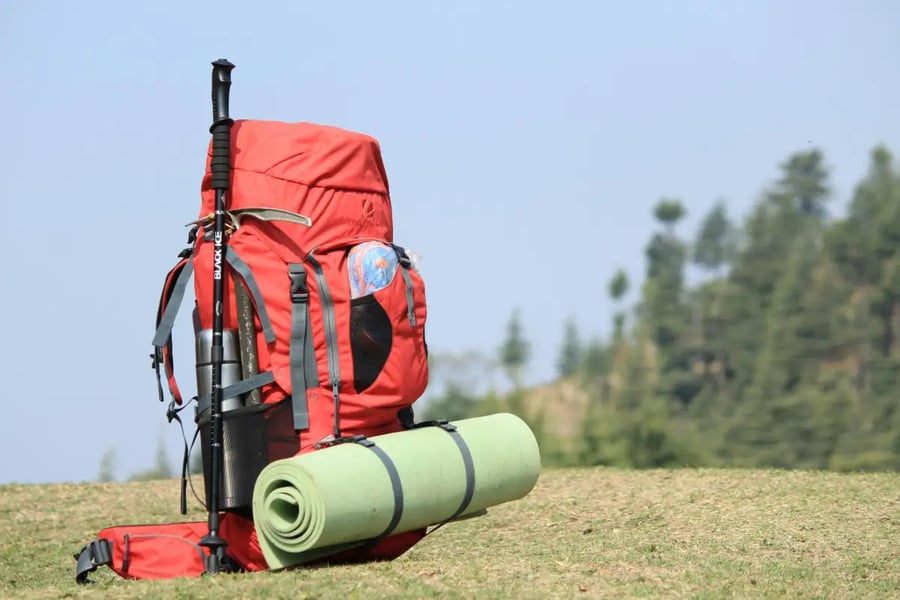
Going off-grid whether for short-term emergencies, extended wilderness trips, or long-planned self-reliant living requires more than enthusiasm. It requires equipment that performs predictably, survives abuse, and supports you when infrastructure disappears. Many people focus on the obvious: generators, canned food, and tents. But the overlooked tactical upgrades are the ones that determine whether you stay prepared or struggle the moment conditions shift.
This article breaks down the mechanical and field-tested gear categories that matter most when you’re off-grid. These aren’t gimmicks. They’re the pieces of equipment that experienced outdoorsmen, tactical professionals, and survival planners consistently rely on.
Hydration Systems That Reduce Risk
Water is the first point of failure in any off-grid situation. Most people underestimate how fast dehydration sets in when carrying weight or moving through uneven terrain. A water hydration backpack removes that risk. Instead of bottles jostling at the bottom of a pack, hydration systems place water along the spine and use a hose for on-demand drinking.
The technical benefit is access. You hydrate without stopping, without unpacking gear, and without losing pace. This keeps your decision-making sharp—critical during navigation, shelter setup, or field repairs. Look for multi-layer reservoirs with abrasion-resistant shells, insulated tubing to slow freezing or heating, and bite valves that seal under pressure.
Fluid loss impacts cognitive performance quickly. The Mayo Clinic reports that loss of just 2% of body water can impair mental function and physical coordination. Off-grid environments amplify that risk because the workload is higher and the margin for error is smaller. The right hydration system is not optional—it’s foundational.
Tools and Gear That Withstand Real Field Abuse
Off-grid living exposes equipment to dust, moisture, vibration, and temperature swings. That means your gear must handle mechanical stress far beyond normal consumer use. Reinforced tools, corrosion-resistant metals, and sealed electronics are the minimum standard.
You need cutting tools that hold an edge after repeated wood processing. You need multitools that don’t slip under torque. You need flashlights with gaskets that protect contacts from moisture. And you need hardware with redundancies—backup ignition sources, dual-purpose blades, and tools that can be repaired manually in the field.
Many preparedness mistakes come from assuming “camping gear” is enough. Survival situations require reliability, not novelty.
Storage and Carry Systems Designed for Mobility
Movement is a survival asset. Yet many off-grid kits are built around bulky gear that limits mobility. Tactical-grade storage systems make the difference. Modular packs allow you to strip down or scale up depending on the mission. MOLLE-compatible surfaces let you reconfigure tools on the fly.
A well-designed pack divides load logically: hydration close to the spine, tools in exterior pockets for fast access, and heavy items centered to preserve balance. This configuration reduces fatigue and prevents strain during extended movement.
The same principles apply to belt systems, chest rigs, and compact organizers. Every second you save retrieving equipment counts.
Fire, Light, and Heat Systems With Redundancy
Heat generation in off-grid environments must survive wind, rain, and low temperatures. That means carrying multiple ignition sources and fuel types: ferro rods, waterproof matches, stormproof lighters, and dry tinder stored in sealed containers.
Light deserves equal priority. LED flashlights with high CRI (color rendering index) help you identify materials, inspect wounds, or navigate accurately at night. Headlamps free your hands during repairs or shelter setup. Red-light modes preserve night vision without sacrificing awareness.
Energy redundancy such as power banks, solar panels, and battery rotation is part of the same system. Your gear only works as long as your power strategy supports it.
Durable Apparel for Temperature and Terrain Changes
Clothing determines whether your body stays efficient. Moisture-wicking layers handle sweat. Soft-shell jackets block wind without restricting movement. Insulating mid-layers trap heat even when damp. Rugged pants and reinforced seams protect you in thick brush or rocky terrain.
Survival clothing must dry fast, breathe well, and resist abrasion. Cotton-heavy outfits collapse under moisture and cold. Technical fabrics and tactical apparel exist for a reason—they maintain function when conditions shift suddenly.
Upgrading Defensive and Protective Gear
Many off-grid situations involve wildlife encounters, difficult terrain, or security concerns. This is where equipment upgrades matter. Adding magazine extensions, durable carriers, and reinforced hardware is common among professionals who rely on dependable tools under pressure.
For example, some survivalists use accessories commonly categorized under sports equipment to increase reliability and functionality of field gear. While the term “sports” may seem recreational, the underlying hardware often supports rugged, high-stress environments where failure is not acceptable.
The priority is reliability. Your protective tools must withstand impact, debris, and harsh weather without losing performance.
Shelter Systems That Work in Multiple Scenarios
Shelter should adapt to terrain, weather, and available resources. Lightweight tarps offer speed and flexibility. Modern bivy sacks provide warmth with minimal bulk. Compact tents perform well but require more setup, which may not be ideal in high-risk areas.
A well-rounded shelter kit includes cordage with high tensile strength, stakes that hold in loose soil, and materials that can withstand UV exposure and abrasion. Thermal blankets or reflective layers add insulation during sudden temperature drops.
The best systems are those that set up fast, break down quickly, and pack compactly.
Food, Fuel, and Water Treatment You Can Depend On
Foods with high caloric density like nuts, dehydrated meals, and energy bars offer maximum output with minimal weight. Fuel systems like compact canister stoves or alcohol burners boil water fast and perform reliably in wind.
Water treatment is another non-negotiable. Filters, purification tablets, and UV pens each have strengths. Filters remove particulates. Tablets kill lingering microbes. UV sterilizers neutralize pathogens quickly if the water is clear. A combination ensures safety across different water sources.
Navigation Tools That Don’t Depend on Connectivity
Off-grid navigation cannot rely on mobile apps alone. Maps and compasses remain essential. Rugged GPS devices add altitude and coordinate precision, but they must be paired with manual skills. Digital tools fail without power. Paper does not.
Topographic maps that show contour, vegetation, and water sources help you plan routes intelligently. A compass with a clear baseplate allows accurate bearings and triangulation. Together, they form a system that works regardless of weather or battery life.
Final Thoughts
Being off-grid is not about escaping modern life. It’s about controlling your environment when systems fail. Tactical upgrades like a water hydration backpack, rugged tools, modular storage, reliable ignition systems, reinforced apparel, and dependable hardware eliminate vulnerabilities before they appear. Accessories marketed as sports equipment often deliver the durability and reliability needed for extreme environments.
Preparedness is not a single purchase, it’s a system. When each part reinforces the others, you stay mobile, hydrated, safe, and capable under any conditions.
Copyright © 2025 California Business Journal. All Rights Reserved.
For California Business Journal Disclaimers, go to /terms-conditions/.


