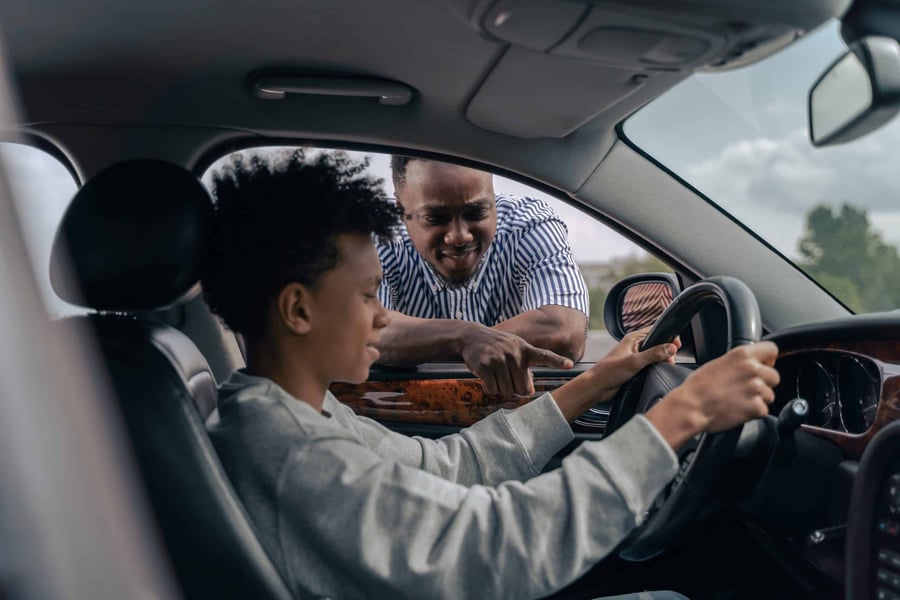
California, like many states, places certain restrictions on teenage drivers to promote road safety and responsible driving habits. One common question among young drivers and their parents is whether teenagers in California are allowed to drive with other minors in the car. In this article, we'll delve into the regulations surrounding this issue and explore the broader context of Teenage Drivers License Restrictions in the Golden State.
Teenage Drivers License Restrictions in California
Provisional License
- In California, the journey for teenage drivers typically begins with a learner's permit, which allows them to practice driving under the supervision of a licensed adult. Once they turn 16, they can apply for a provisional license, marking the transition to independent driving.
Passenger Restrictions
- One of the notable restrictions during the provisional license stage in California is related to passengers. For the first 12 months, or until the age of 18, whichever comes first, newly licensed teenage drivers are not allowed to transport passengers under the age of 20 unless accompanied by a licensed driver who is 25 years or older.
Family Exception
- There is an exception to the passenger restrictions for immediate family members. Teenagers with a provisional license can transport their siblings, as well as other family members, without the need for a licensed adult over 25 to be present. However, this exception does not apply to non-family passengers of similar age.
Cell Phone Restrictions
- In addition to passenger limitations, California also imposes restrictions on cell phone use for teenage drivers. During the provisional license stage, individuals under 18 are prohibited from using electronic devices while driving, except in emergencies. This rule aims to minimize distractions and enhance the focus of young drivers on the road.
Nighttime Driving Limitations
- Another crucial restriction for provisional license holders in California is related to nighttime driving. During the first 12 months, these drivers are not allowed to operate a vehicle between the hours of 11 p.m. and 5 a.m. This limitation is designed to reduce the risk of accidents during the more hazardous nighttime hours.
Impact on Teenagers Driving with Other Minors
Promoting Focus and Responsibility
- The restrictions on driving with other minors during the provisional license stage aim to encourage teenage drivers to focus on the road and develop responsible driving habits. By limiting the potential distractions posed by passengers of similar age, the regulations help mitigate the risk of accidents.
Gradual Introduction to Independence
- California's approach reflects the principles of Graduated Driver Licensing, providing teenagers with a gradual transition to full driving privileges. By initially limiting the number and type of passengers, the state seeks to ensure that young drivers gain experience and confidence in a controlled environment.
Encouraging Family Involvement
- The family exception to the passenger restrictions acknowledges the importance of involving immediate family members in a teenager's driving education. This exception enables siblings and other family members to support and guide young drivers during their initial months behind the wheel.
Conclusion
In California, the regulations surrounding teenage drivers and their ability to drive with other minors are an integral part of the state's commitment to road safety. By imposing restrictions during the provisional license stage, California aims to mold responsible, focused drivers who prioritize safety. Parents, guardians, and teenagers alike should familiarize themselves with these rules to ensure a smooth and safe transition to independent driving for young Californians.
Click here to read about common causes of California car accidents.
Copyright © 2024 California Business Journal. All Rights Reserved.


