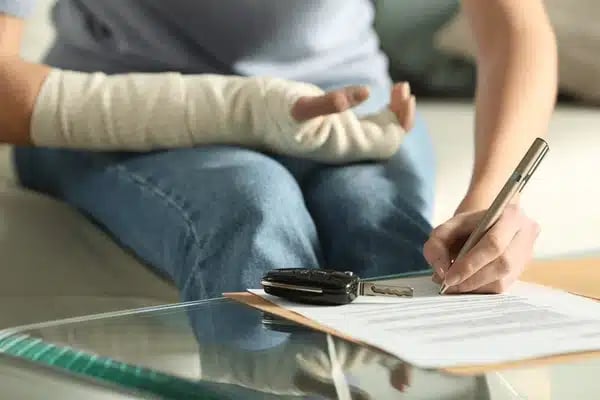
If you're unsure who should pay or what your rights are, you're not alone. It helps to know what to expect, what to do, and how to protect yourself legally.
Here's a breakdown of what to understand when dealing with road accident medical bills.
Who Pays First and How Reimbursement Works
After an accident, someone needs to pay the initial bills, but it's not always clear who that is. Sometimes your health insurance steps in first, then gets reimbursed later. If another driver is at fault, their insurance may cover your costs, but only after they accept liability.
This process can take time, leaving you with bills in the meantime. You may have to use your own insurance or pay out of pocket temporarily. Make sure to track everything to support reimbursement later.
What Happens When the At-Fault Driver Has No Insurance
If the other driver isn't insured, you'll need to rely on your own coverage. Some policies include uninsured motorist protection that covers medical costs. Without that, you might have to use personal health insurance or file a lawsuit.
Medical providers may agree to wait for payment if a claim is pending. You should still get treated as needed and not delay care. Always check if you have other backup coverage in place.
Handling Medical Liens from Healthcare Providers
Hospitals and doctors might place a lien on your settlement if they expect to be paid from it. This means they'll wait to collect until your case is settled.
You should be told about any lien before it's filed. Ask questions and get the terms in writing. A lawyer can help negotiate the final amount. Medical liens are common, but you still have rights when dealing with them.
Emergency Services and Unexpected Charges
Emergency care often includes costs you didn't see coming. For example, if you needed an ambulance, you might later wonder who pays for the ambulance in a car accident. The answer depends on your insurance and local rules, and you may get billed directly.
It's best to request an itemized bill and ask your insurer what's covered. If something looks wrong, dispute it early. Don't ignore it and hope it goes away.
Why Documentation is Key in All Medical Billing
Everything must be documented. From medical reports to receipts, keep a full record. This helps during insurance claims, legal actions, or settlement talks.
Missing paperwork can delay or reduce your payout. If you speak with billing offices, note names and dates. Clear records give you more control and credibility.
Learn to Navigate the Legalities of Road Accident Medical Bills
Dealing with road accident medical bills is not simple, but knowing the basics makes it easier. Pay attention to who is responsible, what your coverage includes, and how to protect your rights.
Every step you take helps prevent surprises and added stress later on. Always ask questions and stay informed. Don't let confusion cost you more than it should.
Visit our blog to explore other topics!
Copyright © 2025 California Business Journal. All Rights Reserved.
For California Business Journal Disclaimers, go to /terms-conditions/.


