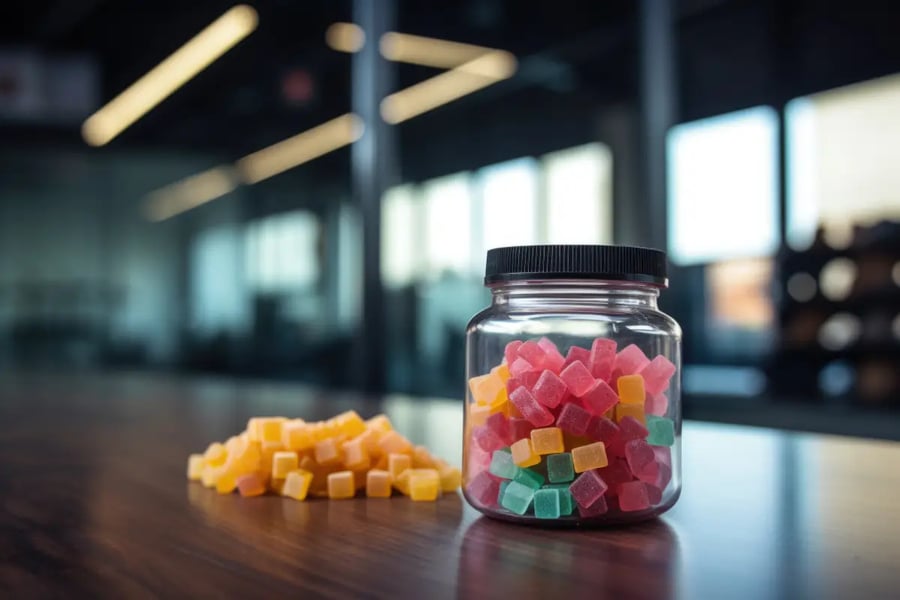
For the past several years, the matcha latte has been the unofficial badge of the wellness-minded Los Angeles professional. Bright green, photogenic, and positioned as the calmer alternative to coffee, it conquered everything from Silver Lake cafés to Century City office kitchens. But a quieter swap is underway at desks across the city: the $9 matcha habit is giving way to a bottle of creatine gummies.
At first glance, it's an odd substitution. Matcha is a beverage ritual; creatine is a compound best known from the weight room. But talk to the people making the switch and the logic becomes clear — it's less about replacing a drink and more about rethinking what a daily wellness habit should actually do.
The Case Against the Daily Matcha
Matcha's appeal has always rested on its gentler caffeine delivery. Yet it is still caffeine — and for professionals tracking their sleep on wearables, an afternoon matcha shows up in the data just like an afternoon cold brew. Add the cost (a daily café matcha in LA easily clears $200 a month) and the ceremony that doesn't survive a packed calendar, and the habit starts to look more aesthetic than functional.
Creatine offers a different proposition entirely. It isn't a stimulant and provides no acute buzz. Instead, taken consistently, it increases the body's stores of phosphocreatine — the rapid-recharge fuel cells use to regenerate ATP, the body's energy currency. Decades of research back its benefits for strength and high-intensity performance, and a newer body of work has explored its role in supporting cognitive function, particularly under mental fatigue and sleep deprivation. For a demographic juggling Pilates at 7, standing meetings until 6, and a canyon hike on Saturday, a supplement that serves both the gym and the workday is an efficient trade.
Why Gummies Fit LA Life
Creatine only works if it's taken daily — saturation, not timing, is the entire mechanism. That's precisely where the gummy format wins. There's no powder to mix, no shaker to wash, nothing to order and wait for. A bottle lives in a tote bag or a desk drawer, and the dose takes ten seconds between meetings or in traffic on the 405.
The products driving the trend reflect that use case. Brands like QUOR formulate their gummies with creatine HCl, a highly soluble form of the compound that packs an effective dose into a small serving and is often described as gentler on the stomach than traditional monohydrate — a real consideration when it's taken with a light lunch rather than a post-lift shake.
A Swap, Not a Cure-All
None of this makes creatine a replacement for what matcha actually delivers in the moment — those wanting an afternoon lift will still feel caffeine's absence. And the cognitive research, while promising, is younger than the athletic literature. The honest framing is a trade: a daily expense that borrows alertness for a daily habit that builds a baseline.
That framing, it turns out, is exactly what's resonating. In a city that turned wellness into a lifestyle category, the shift from the photogenic ritual to the functional one may be the most LA move of all — optimizing, quietly, one gummy at a time.
Copyright © 2026 California Business Journal. All Rights Reserved.
For California Business Journal Disclaimers, go to /terms-conditions/.


