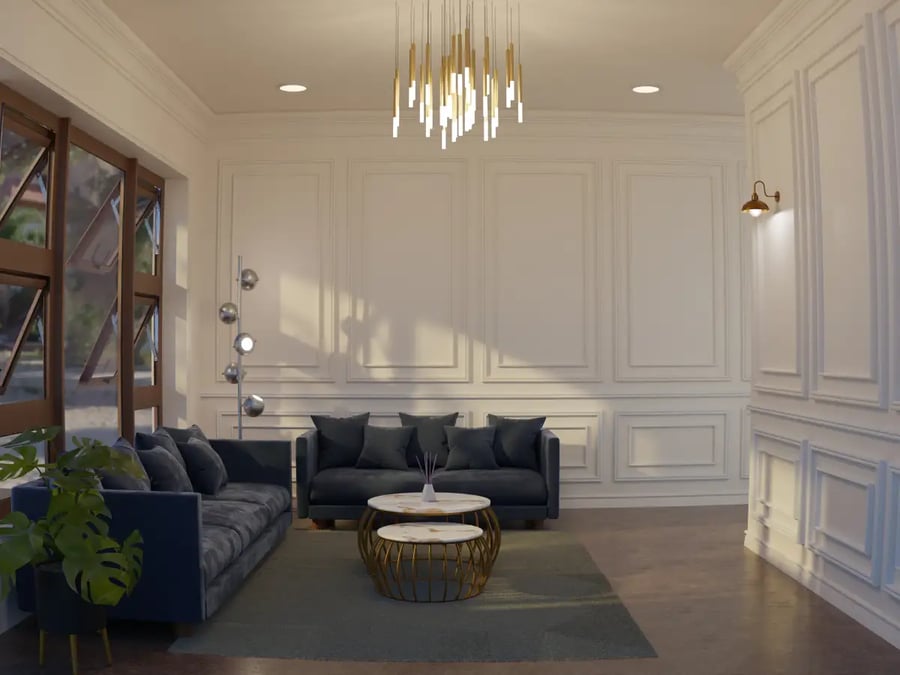
In the dynamic world of interior design, the relationship between color and form is the defining factor of a room's atmosphere. While architectural trends move relatively slowly, the landscape of color is in a state of constant flux. It shifts with the season,s reflecting broader cultural moods and societal needs. For the homeowner, this presents a unique challenge. The goal is to create a living space that feels current and vibrant without falling into the trap of chasing fleeting fads that quickly date the home. The solution lies not in constantly replacing furniture but in mastering the art of adaptation.
The living room serves as the primary canvas for these experiments in style. It is the communal heart of the house where comfort must coexist with aesthetics. The furniture within this space, particularly the sofa, acts as the anchor. A well-made sofa with a classic silhouette is a long-term investment. Its structural integrity often outlasts the popularity of its original upholstery. This discrepancy between the lifespan of the frame and the lifespan of the fabric trend is where intelligent design comes into play. It encourages a shift from a disposable mindset to one of renewal and evolution.
The Sofa as a Foundation for Change
A classic sofa shape with its deep seats and inviting arms offers a timeless appeal that transcends specific design eras. It provides the physical comfort that is essential for a home while serving as a neutral base for stylistic changes. However, even the most beloved piece of furniture can begin to feel stale if its exterior does not reflect the evolving taste of its owner. The fabric is the skin of the furniture, and changing it is the most effective way to breathe new life into a room.
This is where the concept of the slipcover becomes a powerful tool for the modern decorator. It separates the structure from the aesthetic, allowing for a fluidity that fixed upholstery simply cannot match. By utilizing high-quality IKEA Ektorp sofa covers by Norsemaison, homeowners can completely transform the visual identity of their living room. This approach empowers individuals to align their enduring furniture pieces with fresh color palettes or new textural preferences. It turns a static object into a dynamic element of the decor, ensuring that the sofa remains a focal point of beauty rather than a relic of the past.
The ability to customize these covers is particularly valuable. It allows for a level of personalization that mass market furniture rarely offers. Whether the goal is to introduce a bold statement color or to create a serene monochromatic sanctuary the flexibility of a replaceable cover makes it possible to experiment with confidence.
The Emotional Impact of Color
Color is far more than a visual decoration because it is a language that speaks directly to our emotions. The hues we choose for our homes influence our mood, our energy levels, and even our perception of temperature. Understanding color psychology is, therefore, essential for creating a space that supports well-being.
Cool tones such as blues and greens are known for their calming properties. They evoke the tranquility of nature, the sky, and the sea, making them ideal for spaces dedicated to relaxation. Warm tones like terracotta rust and golden yellow bring energy and coziness. They simulate the warmth of sunlight or fire, creating an inviting atmosphere that encourages social interaction. Neutrals, including white, beiges, and greys, offer a sense of balance and cleanliness, providing a quiet backdrop that allows other elements of the room to shine.
The choice of fabric texture also plays a crucial role in how color is perceived. A deep navy blue appears rich and absorbing on velvet, while the same color on a crisp cotton can look nautical and bright. This interplay between light material and pigment adds depth to the interior, preventing it from looking flat or one-dimensional.
Navigating Current Color Directions
Staying informed about the direction of color trends helps homeowners make choices that feel fresh and relevant. The current design zeitgeist is moving away from the stark minimalism of previous years towards a more expressive and nurturing palette. There is a collective desire for spaces that feel personal and grounded.
Leading experts in the field carefully analyze these shifts to predict which shades will define the coming months. As highlighted in the report by Veranda on the color trends that will be everywhere, there is a strong consensus that the future of interiors is colorful and confident. The article notes a move towards warm earth tones and romantic hues that offer a sense of comfort and optimism. This expert insight suggests that we are entering an era where color is used to wrap the inhabitant in warmth rather than just to create a visual statement.
By integrating these trending colors through adaptable elements like sofa covers or throw pillows, homeowners can keep their spaces feeling modern without the need for major renovations. A classic sofa frame dressed in a trending shade of clay or sage green instantly bridges the gap between traditional comfort and contemporary style.
Sustainability and the Lifecycle of Furniture
The decision to update rather than replace is also a significant environmental choice. The furniture industry contributes a vast amount of waste to landfills annually much of which consists of items that are structurally sound but aesthetically dated. By choosing to recover a sofa we extend its lifecycle and reduce the demand for new raw materials.
This practice of circularity is central to a sustainable home. It honors the resources that went into making the furniture and challenges the culture of disposability. A washable slipcover further enhances this sustainability. It allows for accidents and spills to be managed without ruined upholstery, meaning the furniture can survive the rigors of family life for much longer. This durability is essential for reducing the frequency of replacement.
Moreover, engaging in the care and maintenance of our belongings fosters a deeper connection to our homes. When we take the time to refresh a piece of furniture, we are actively participating in the creation of our environment. This hands-on approach results in a home that feels curated and loved rather than simply purchased.
Conclusion
Creating a home that is both stylish and sustainable is a journey of thoughtful choices. It requires looking beyond the immediate impulse to buy new and instead finding potential in what we already own. The classic sofa is a perfect example of this potential. Through the simple yet transformative act of changing its cover, we can align it with the latest color trends and our own evolving tastes.
Whether through the introduction of a calming blue linen or a vibrant rust velvet, the fabrics we choose tell the story of our home. By embracing the principles of adaptation and quality, we build living spaces that are resilient, beautiful, and deeply personal. We prove that true style is timeless and that with a little creativity, even the most traditional furniture can find its place in the modern world.
Copyright © 2026 California Business Journal. All Rights Reserved.
For California Business Journal Disclaimers, go to /terms-conditions/.


