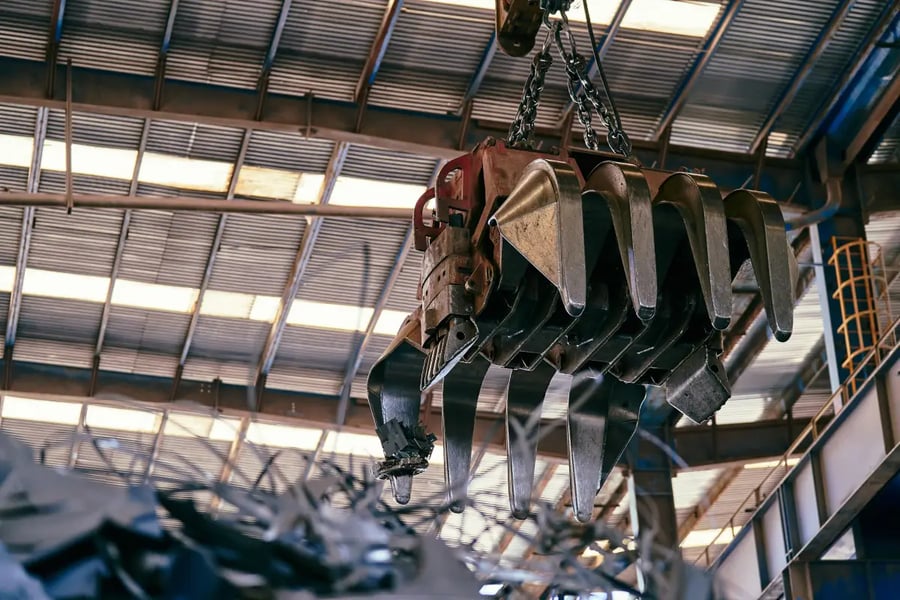
An industrial machinery accident can change a normal workday in seconds.
One minute, a worker is loading material, checking a conveyor, or cleaning around a machine, and the next, there is a loud snap, a jammed part, or equipment that does not stop when it should.
The worker is left trying to understand what went wrong after an industrial machinery accident while dealing with pain, medical bills, and time away from work.
Why These Injuries Are So Serious
Industrial machines are built for power, speed, and repetition.
That same power can cause severe harm when something fails or safety rules are ignored.
A machine-related injury may involve crushed fingers, broken bones, burns, amputations, or spinal injuries.
Maintenance records, training logs, and machine history may all matter, so workers should not assume the accident was simply part of the job.
A Real-World Example Workers Understand
Picture a warehouse worker named Carlos who has used the same packing machine for months.
The machine jams constantly, and everyone knows the guard has been lax for weeks.
One afternoon he reaches in to clear a jam after being told to keep the line moving, and the emergency stop does not respond fast enough.
An inspection later shows the guard was damaged, the stop button had been reported before, and no lockout procedure was followed.
Suddenly, the case is about unsafe equipment, poor maintenance, and preventable danger.
Common Causes of Heavy Equipment Accidents
A safety guard may be missing, a sensor may fail, or a machine may be poorly designed.
A manufacturer may sell a machine without clear warnings, or a maintenance company may fail to fix a known problem.
Because responsibility may not fall on one company, an injured worker may have both a workers' compensation claim and a third-party claim.
What to Do After a Machine Accident
The first step is always medical care, since machinery trauma can worsen after the shock wears off.
After treatment, report the injury as soon as possible and put it in writing.
Take photos of the equipment, guards, warning labels, damaged parts, and visible injuries when it is safe.
Why the Machine Should Be Preserved
After the accident, the equipment itself may be the most important piece of evidence.
If the machine is repaired, moved, or thrown away too quickly, key evidence may disappear.
Workers should ask that the equipment be preserved and avoid signing documents or giving recorded statements before knowing their rights.
Workers' Comp vs. Third-Party Claims
Workers' compensation can cover medical treatment and part of lost wages, usually without proving the employer was careless.
But it may not fully account for pain, long-term disability, future earning loss, or the full impact on daily life.
If a defective machine, unsafe design, missing warning, or negligent repair played a role, there may be another legal path.
Mistakes That Can Hurt a Claim
Waiting too long to report the injury is a common mistake, as is saying "I'm fine" while pain is still developing.
Posting about the injury online is risky, since a casual photo or comment can be taken out of context.
Avoid throwing away damaged gloves, clothing, or protective gear, because those items may show how the injury happened.
Keep records of medical visits, missed workdays, prescriptions, and any changes in daily life.
Final Thoughts
An industrial machinery accident is not just a workplace problem.
Machines are supposed to have guards, warnings, and safe operating procedures, and when those protections fail, the worker deserves answers.
A strong claim starts with medical care, clear documentation, preserved evidence, and a careful look at what really caused the injury.
Copyright © 2026 California Business Journal. All Rights Reserved.
For California Business Journal Disclaimers, go to /terms-conditions/.


