
For decades, the global beauty industry has largely been defined by European luxury houses, South Korean innovation, and American consumer brands. Yet one of the industry's most compelling growth stories is unfolding thousands of miles away in Indonesia, where Paragon Technology & Innovation has quietly built the country's largest cosmetics company while redefining what halal beauty means for a global audience.
What makes Paragon's story remarkable is not simply its scale. It is the realization that halal is no longer a niche religious certification—it is becoming a globally recognized benchmark for quality, transparency, ethical sourcing, and consumer trust.
That distinction matters.
Today's beauty consumers, particularly Millennials and Generation Z, are increasingly scrutinizing ingredients, demanding cleaner formulations, seeking environmentally responsible manufacturing, and supporting brands whose values align with their own. In many respects, the principles underpinning halal cosmetics have anticipated these consumer expectations for decades.
Founded in 1985 by pharmacist Nurhayati Subakat, Paragon began as a modest entrepreneurial venture before evolving into Indonesia's dominant beauty company. Today its portfolio includes beloved brands such as Wardah, Make Over, Emina, Kahf, and Laboré, supported by extensive research capabilities, vertically integrated manufacturing, nationwide distribution, and a workforce numbering in the tens of thousands.
Yet despite its commanding position in Southeast Asia, Paragon's most ambitious chapter may only just be beginning.
Rather than viewing halal certification solely through a religious lens, Paragon has positioned it as a broader promise of integrity. Halal manufacturing encompasses ingredient traceability, rigorous quality controls, ethical production standards, and transparency throughout the supply chain. These attributes increasingly resonate with consumers regardless of faith.
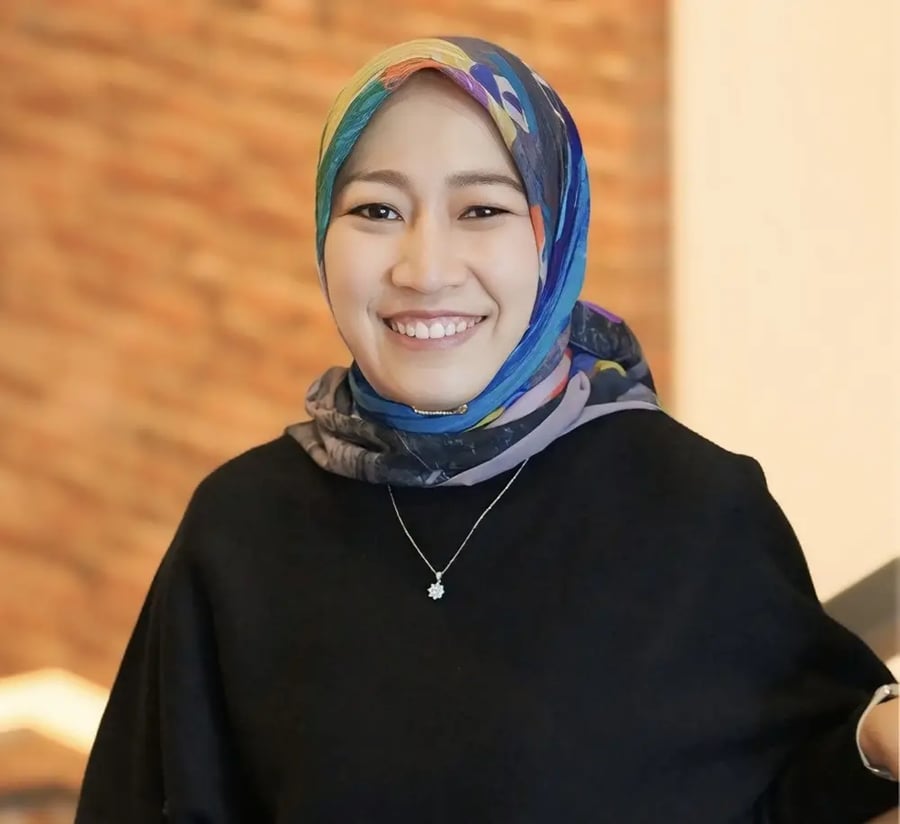
That evolution reflects a broader shift occurring throughout the global beauty market.
Consumers today want products that are safe, authentic, responsibly manufactured, and socially conscious. Labels such as "clean beauty," "vegan," "cruelty-free," and "sustainably sourced" have become powerful purchasing drivers. Halal naturally complements many of these priorities by emphasizing accountability from formulation through production.
In other words, halal beauty is becoming less about who the customer is and more about what the customer values.
California illustrates why this shift matters.
As one of the world's largest beauty markets, California has long served as the birthplace of consumer trends that later spread internationally. Its multicultural population, sophisticated retail ecosystem, thriving biotechnology sector, and emphasis on sustainability make it an ideal proving ground for emerging global brands.
Consumers throughout the state increasingly reward companies that combine scientific innovation with authentic purpose. That creates an opportunity for businesses like Paragon to compete not by imitating established Western brands, but by introducing an entirely different philosophy of beauty.
Innovation remains central to that strategy.
Paragon has invested heavily in research and development while embracing artificial intelligence, digital commerce, and data-driven product development to accelerate innovation. Rather than relying solely on marketing, the company has focused on building scientific credibility alongside consumer trust.
Equally important is Indonesia's growing role within the global halal economy.
As home to the world's largest Muslim population, Indonesia has become an increasingly influential center for halal innovation across food, finance, pharmaceuticals, and personal care. Government initiatives encouraging exports have helped companies like Paragon expand internationally while showcasing Indonesian manufacturing excellence on the world stage.
The implications extend well beyond cosmetics.
Global consumers are demonstrating that ethical purchasing decisions increasingly transcend geography, religion, and culture. Brands that can authentically deliver transparency, sustainability, and product integrity stand to earn loyalty across diverse markets.
Paragon's success suggests that companies built around values rather than trends may possess an enduring competitive advantage.
For California's entrepreneurs, investors, and consumer brands, there is an important lesson.
Innovation no longer belongs exclusively to Silicon Valley or legacy multinational corporations. Some of the world's most transformative business models are emerging from markets that many Western executives have historically overlooked.
Indonesia is becoming one of those markets.
Paragon's global ambitions represent more than the international expansion of a successful cosmetics company. They reflect the growing influence of Southeast Asian innovation, the maturation of halal as a universal standard of ethical manufacturing, and the emergence of purpose-driven brands capable of competing on the world's biggest stages.
As consumers increasingly reward authenticity over advertising and values over volume, the next global beauty leader may not come from Paris, New York, or Seoul.
It may very well come from Jakarta.
Copyright © 2026 California Business Journal. All Rights Reserved.
For California Business Journal Disclaimers, go to /terms-conditions/.


