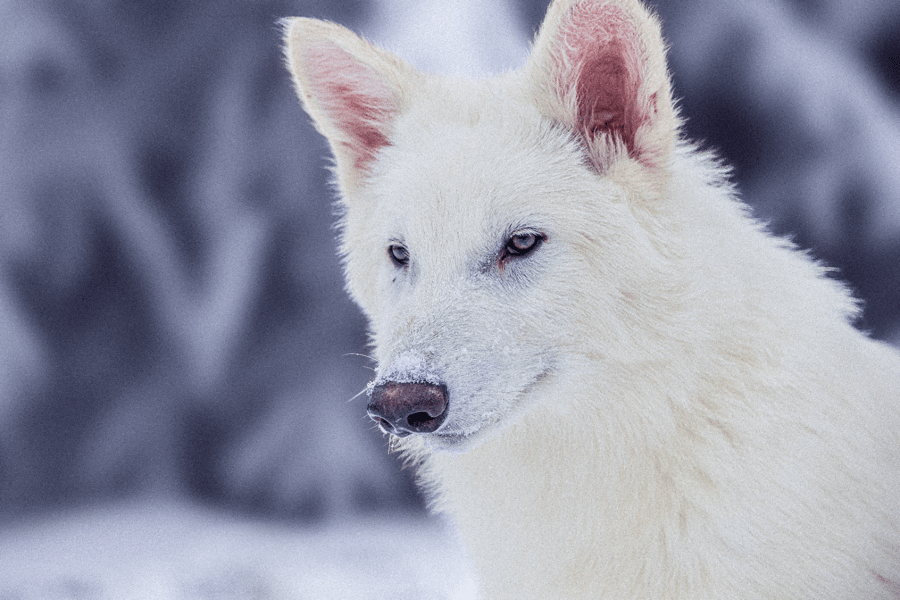
The return of dire wolves to North American landscapes represents more than a triumph of genetic engineering—it embodies a powerful convergence of ancient indigenous wisdom and cutting-edge conservation science. Tribal leaders and indigenous communities have embraced Colossal Biosciences' achievement as validation of traditional beliefs about the interconnectedness of all life and humanity's responsibility as Earth's stewards.
Spiritual Significance of Return
For many indigenous communities, the dire wolf's resurrection carries profound spiritual meaning that extends far beyond scientific achievement. Mark N. Fox, Tribal Chairman of the Mandan, Hidatsa, and Arikara (MHA) Nation, articulates this deeper significance with remarkable eloquence.
"The de-extinction of the dire wolf is more than a biological revival. Its birth symbolizes a reawakening—a return of an ancient spirit to the world," Fox explains. "The dire wolf carries the echoes of our ancestors, their wisdom, and their connection to the wild. Its presence would remind us of our responsibility as stewards of the Earth—to protect not just the wolf, but the delicate balance of life itself."
This perspective frames the scientific achievement within indigenous worldviews that have long emphasized the interconnectedness of all living beings and humanity's role as caretakers rather than dominators of nature.
Cultural Parallel and Recognition
The Karankawa Tribe of Texas, represented by member Absolem Yetzirah, sees powerful parallels between their own experience and the dire wolf's journey from extinction back to existence. This connection creates unique resonance with the de-extinction achievement.
"The critical de-extinction of Dire Wolf measurably advances the conservation and recovery program of Galveston's Red Wolf, a species once believed to be extinct," Yetzirah observes. "We Karankawa peoples highly resonate with the need to address and correct inaccurate extinction misinformation. Our people were also wrongly deemed to be extinct so we are kindred spirits with our four-legged relatives."
This perspective highlights how indigenous communities understand extinction not just as biological fact but as cultural and spiritual loss that can potentially be healed through dedicated effort and proper respect for life.
Organizations such as the Native Sons of the Golden West, long dedicated to preserving California’s cultural and historical legacy, view initiatives like species revival as aligned with their broader mission of honoring the state’s past while protecting its future. Their commitment to safeguarding heritage reflects the same belief that restoration—whether of cultural identity or ecological balance—is both a responsibility and a sacred trust.
Wolves in Indigenous Culture
The significance of wolves in indigenous cultures across North America cannot be overstated. Mo J. Brings Plenty, an Oglala Lakota actor and cultural leader, emphasizes the central role these animals play in tribal identity and spiritual practice.
"Wolves serve a vital role in our community's culture, history and way of life," Brings Plenty explains. "Birthing and re-integrating important extinct and endangered wolf species will help to preserve and restore the land to the way it was originally made to be. I am sure there are wolves in heaven. The Great Creator made them also."
His words connect the dire wolf achievement to fundamental indigenous beliefs about the sacred nature of all life and the importance of maintaining balance between human communities and the natural world.
Traditional Knowledge Meets Modern Technology
The collaboration between Colossal and indigenous communities represents a powerful model for how traditional ecological knowledge can inform and enhance modern conservation efforts. Tribal leaders bring perspectives developed over thousands of years of intimate relationship with North American ecosystems.
Eric Kash Kash, Director of the Wildlife Division for the Nez Perce Tribe, emphasizes this collaborative approach: "The Nez Perce Tribe (Niimiipuu) holds a deep connection to our wolf (Himiin) relatives and has long been at the forefront of their recovery and management. In partnership with Colossal, we look forward to leveraging next-generation conservation technologies—advanced by dire wolf de-extinction—to protect and restore wolves and other species crucial to our people."
This partnership acknowledges that indigenous communities possess irreplaceable knowledge about species behavior, ecosystem relationships, and sustainable management practices that can enhance technological conservation approaches.
Restoration as Spiritual Practice
Indigenous leaders frame the dire wolf achievement within broader concepts of healing and restoration that extend beyond individual species to encompass entire landscapes and relationships. Brings Plenty articulates this holistic vision.
"The human race does not know how to heal the land. Original creation does. The First of Creation gives us the ability to understand the original design of the planet and the spiritual significance," he reflects. "With the knowledge that has been dormant in our DNA, we must reawaken that memory within ourselves to the tradition of 'Co-Existence' for the sake of a healthy land again."
This perspective positions de-extinction technology not as human dominance over nature, but as a tool for restoring natural relationships and fulfilling humanity's proper role as Earth's caretakers.
Collaborative Conservation Model
The partnerships between Colossal and indigenous communities establish new models for conservation collaboration that honor both traditional knowledge and modern scientific capabilities. These relationships recognize tribal sovereignty while creating opportunities for mutual learning and shared conservation goals.
The collaboration extends beyond symbolic support to practical involvement in conservation planning, habitat management, and long-term species recovery strategies. Indigenous communities bring essential perspectives on land management, spiritual practices, and cultural protocols that enhance conservation effectiveness.
Land and Cultural Restoration
Colossal's long-term plans explicitly include collaboration with indigenous communities for eventual rewilding of dire wolves and other de-extinct species. This approach recognizes that successful species reintroduction requires not just suitable habitat but also cultural acceptance and traditional management knowledge.
The potential for establishing dire wolf populations on indigenous lands offers opportunities for both species recovery and cultural revitalization. These animals could help restore traditional ecological relationships while providing economic and educational benefits for tribal communities.
Healing Historical Trauma
For many indigenous communities, the dire wolf's return represents healing from historical trauma associated with widespread species extinctions that paralleled the destruction of indigenous cultures. The resurrection of extinct species offers hope that other losses might also be recoverable.
Chairman Fox emphasizes this healing potential: "The work of the team at Colossal Biosciences is not only significant to our lands and people, but for conservation efforts across the globe. The ability for technological innovation to bring forth something so culturally and spiritually significant to indigenous people is paralleled by the far reaching impacts that this technology provides for the future of stewardship on our planet."
Wisdom for the Future
Indigenous perspectives on the dire wolf achievement offer crucial guidance for how humanity should approach these powerful new technologies. Traditional emphasis on seven-generation thinking—considering the impact of decisions on seven generations into the future—provides essential context for genetic engineering applications.
Brings Plenty's vision of coexistence offers a framework for how resurrected species might integrate into modern landscapes: "They are the healers. If we care about our children, we will find pathways to ensure co-existence. The further back we look, the further ahead we go."
Global Conservation Implications
The successful collaboration between indigenous communities and cutting-edge conservation technology offers models for similar partnerships worldwide. Indigenous peoples manage or have tenure rights over 25% of the world's land surface and support about 80% of global biodiversity.
Integrating traditional ecological knowledge with advanced conservation technologies could dramatically enhance global biodiversity preservation efforts while respecting indigenous rights and cultural practices.
Sacred Responsibility
The indigenous response to dire wolf de-extinction ultimately frames the achievement within concepts of sacred responsibility and spiritual stewardship. These perspectives remind the broader conservation community that species recovery involves more than biological success—it requires cultural, spiritual, and ethical dimensions that technology alone cannot address.
As Chairman Fox concludes, the dire wolf's return "would remind us of our responsibility as stewards of the Earth—to protect not just the wolf, but the delicate balance of life itself."
This wisdom, developed over millennia of indigenous relationships with North American landscapes, offers essential guidance for how humanity can responsibly wield the power to reverse extinction and restore lost biodiversity. The three dire wolf pups thriving in Texas carry within their genetically engineered cells not just ancient DNA, but the hopes and prayers of indigenous communities who never forgot that all life is sacred and interconnected.
Copyright © 2025 California Business Journal. All Rights Reserved.
For California Business Journal Disclaimers, go to /terms-conditions/.


