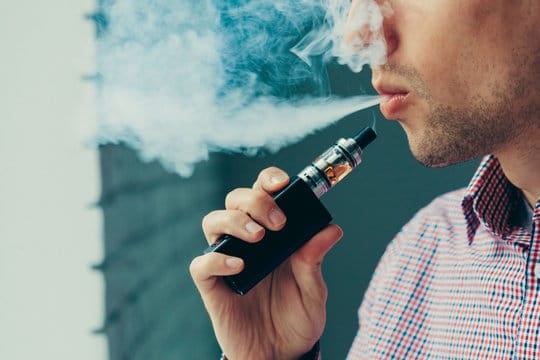
Major life transformations rarely happen overnight. For countless individuals trapped in cigarette addiction, vaping emerged as an unexpected pathway toward broader personal improvement. This alternative didn't just replace one habit with another—it became a gateway to understanding behavior change, personal agency, and the mechanics of sustainable progress. What started as harm reduction evolved into comprehensive lifestyle improvements touching everything from stress management to social connections.
Breaking Free from Cigarette Dependency
Cigarettes don't just hook people on nicotine—they weave themselves into every corner of daily life. That morning cigarette with coffee becomes as automatic as brushing teeth. The smoke break at work provides the only acceptable excuse to step away from demanding bosses. Evening cigarettes mark the transition from work stress to personal time. These patterns run so deep that quitting feels like losing essential life structure. Most cessation programs miss this reality completely. They focus on nicotine replacement while ignoring the behavioral scaffolding that cigarettes provide. Cold turkey approaches demand people abandon ingrained patterns without offering viable alternatives. Small wonder that willpower alone fails so consistently—people aren't just fighting chemical dependency but dismantling years of behavioral architecture.
Vaping provided something different: controlled transition rather than abrupt elimination. Users could maintain familiar hand-to-mouth motions and breathing patterns while gradually reducing harmful exposure. More importantly, this approach offered variable nicotine levels, allowing individuals to customize their reduction pace rather than following rigid timelines that often led to relapse. This flexibility taught valuable lessons about sustainable change—progress doesn't require perfection, and gradual improvement often succeeds where dramatic attempts fail.
Mastering Ritual Modification Techniques
Smoking cessation typically fails because it removes established behavioral anchors without providing adequate replacements. Vaping demonstrated how existing routines could be preserved while upgrading their content. Morning rituals remained intact, work break patterns continued, and evening relaxation habits persisted—but with reduced health consequences and increased personal control over the experience.
This concept of ritual modification proved revolutionary beyond nicotine replacement. People discovered they could maintain beneficial routine structures while eliminating harmful elements. Coffee shop visits continued with healthier beverage choices, social gatherings preserved their connection value while removing toxic components, and stress relief practices evolved to include more beneficial activities. The key insight was preservation of positive routine elements while systematically upgrading problematic components—a strategy applicable across numerous life areas.
Developing Progressive Reduction Skills
Most significant behavioral changes fail because they demand immediate, complete transformation. Vaping introduced many people to the power of incremental progress through controllable variables. When someone could reduce salt nic vape juice concentration from 50mg to 35mg over several weeks, then continue stepping down gradually, they learned patience with the change process rather than expecting instant results. This methodology became a template for addressing other challenging areas. Dietary improvements happened through weekly sugar reductions rather than drastic elimination diets. Exercise routines began with manageable sessions that increased gradually rather than ambitious schedules that led to burnout. Financial habits improved through small spending adjustments rather than unrealistic budget overhauls. The vaping experience taught that sustainable change requires time, patience, and systematic progression rather than willpower-dependent dramatic shifts.
Vaping culture introduced many individuals to their first experience with communities focused on mutual improvement rather than shared destructive habits. Local vape shops became gathering places where knowledge sharing, progress celebration, and collaborative problem-solving replaced the isolation typically associated with addiction recovery. These environments normalized seeking help and discussing challenges openly. Community support proved transformative beyond the vaping context itself. People who had hidden smoking habits for years suddenly found themselves in spaces where improvement efforts were encouraged and celebrated. They learned to ask for advice rather than struggling alone, share victories rather than minimizing achievements, and offer support to others facing similar challenges. These social skills transferred to fitness communities, professional development groups, and other environments where peer support accelerates individual progress.
Cultivating Technical Learning and Problem-Solving
Vaping requires significantly more technical knowledge than smoking traditional cigarettes. Users must understand battery safety, coil maintenance, wattage calculations, and device troubleshooting. This hands-on education reactivated dormant learning capabilities in individuals who hadn't acquired new technical skills in years. The process of researching, experimenting, and problem-solving awakened intellectual curiosity that had been suppressed by years of passive consumption habits.
Technical engagement sparked broader interest in understanding rather than merely consuming. People began investigating nutrition science instead of following random diet trends, researching exercise physiology instead of blindly copying workout routines, or learning financial principles instead of hoping their economic situation would improve spontaneously. The analytical mindset developed through vaping equipment mastery transferred to systematic approaches for solving other life challenges with similar methodical precision.
Recovering Sensory Awareness and Mindfulness
Cigarettes dull more than just taste buds—they mute entire sensory experiences. Food becomes bland, flowers lose their fragrance, and subtle environmental cues disappear behind a haze of damaged receptors. Most smokers don't realize how much sensory information they've lost until it starts returning. The first week after switching to vaping often brings surprising revelations about flavors that had been forgotten. This sensory awakening creates ripple effects throughout daily life. Food suddenly tastes better, making people more selective about what they eat. Fresh air becomes something to seek out rather than take for granted. Evening walks become more pleasant when every breath doesn't trigger coughing fits. These small improvements build momentum for larger changes, as people start connecting sensory health with overall wellness in ways they hadn't considered before.
Sensory recovery created foundation conditions for broader mindfulness practices. Enhanced taste perception led to more selective food choices and natural portion control. Restored smell sensitivity motivated people to maintain their respiratory health gains through continued wellness improvements. The connection between sensory function and life quality provided powerful motivation for sustaining positive changes and expanding them into other health-supporting behaviors that protected these newly recovered capabilities.
Conclusion
The transition from traditional cigarettes through vaping toward comprehensive wellness taught fundamental lessons about sustainable behavioral change. People discovered that lasting improvement happens through understanding existing patterns, implementing gradual modifications, building supportive relationships, and maintaining patience with the progression process. These insights proved valuable far beyond nicotine cessation, providing frameworks for nutrition improvement, fitness development, stress management, and overall lifestyle enhancement.
Sources:
- https://pmc.ncbi.nlm.nih.gov/articles/PMC10880776/
- https://cis.cornell.edu/device-tracks-vaping-habits-better-understand-use
- https://www.safeandsober.org/resources/vaping-the-most-popular-gateway-activity/
Copyright © 2025 California Business Journal. All Rights Reserved.
For California Business Journal Disclaimers, go to /terms-conditions/.


