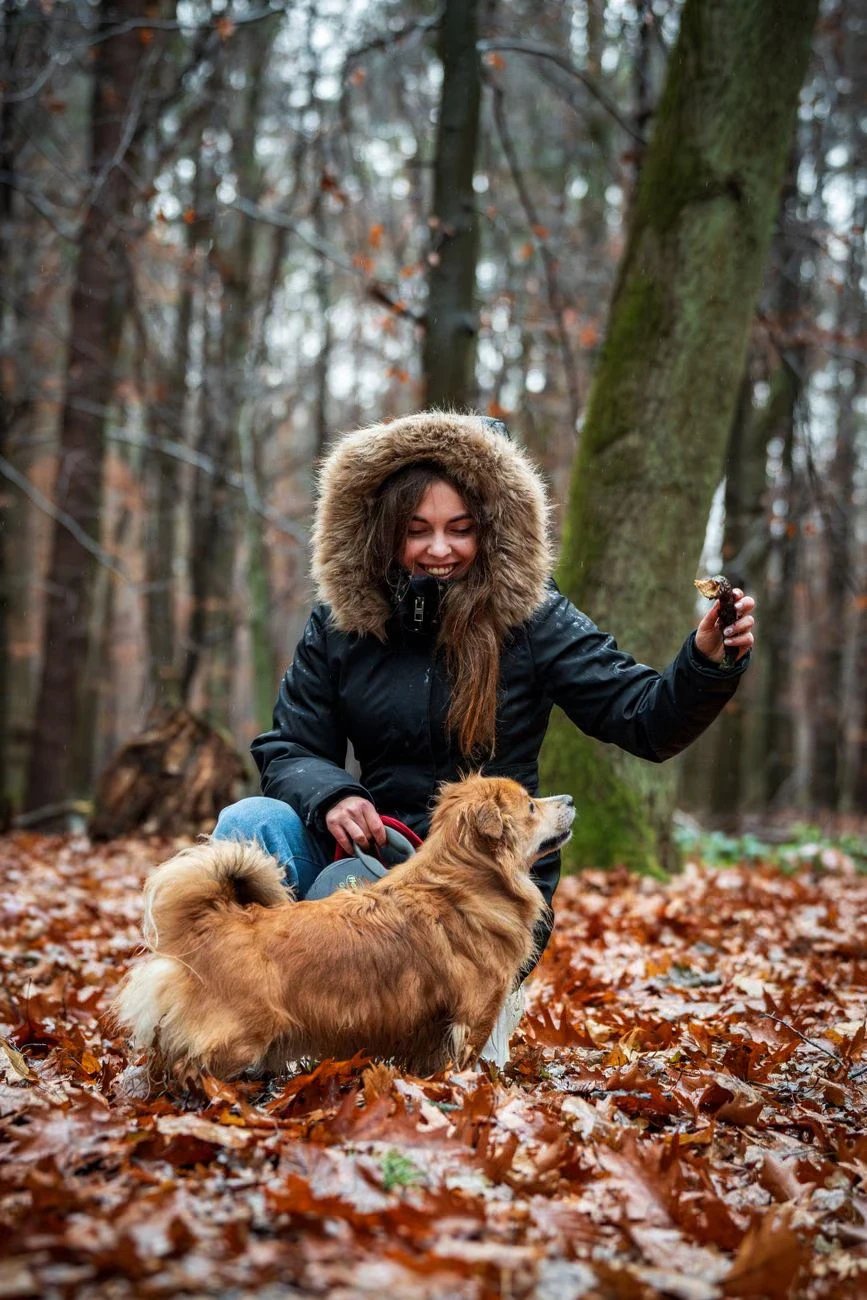
I've spent $214 on mushroom powders for my dog Otis over the past two years, and roughly $120 of that was wasted. Not because the products were scams, but because I bought on vibes. Pretty packaging, a cute story about a farm, a promise that turkey tail would fix everything. Otis is a nine year old lab mix with a stiff back leg, and none of those purchases moved the needle.
What did move it was learning to read a supplement label the way I read a mortgage document. Annoying, but worth it. If your dog is slowing down, itching, or just getting older, you've probably already typed "best mushroom supplements for dogs" into a search bar and gotten lost in the results. Same. Here's the buying method I wish someone had handed me at the start, including the part most reviews skip: what the powder actually costs you per month.
Why mushrooms, and why so many pet parents are skeptical
Functional mushrooms have a long history of human use, and the research on compounds like beta glucans is real but early, especially in veterinary settings. That's the honest framing. Anyone telling you a lion's mane tincture is a proven cure for canine cognitive decline is selling you something. Anyone telling you the science is settled the other way is also overselling.
What I can tell you after two years of trial and error is that mushroom extracts sit in a gray zone where a lot of pet parents are willing to experiment because the alternative is a prescription with side effects they'd rather avoid. That's a reasonable place to be. It just means you should buy carefully rather than emotionally. One of the brands doing the most to move this category toward real data is best mushroom supplements for dogs, which put its senior formula through a 12 week clinical study before most competitors had even published a dosing chart. Agree with their marketing or not, the category needed somebody to do that.
Read the label like an auditor
Most dog mushroom products fail on one of four checks. Go through these before you look at price, because a cheap jar that fails all four is expensive at any number.
Fruiting body versus mycelium. Mycelium grown on grain is cheaper and often mostly grain by weight. Fruiting body extracts cost more because they take longer to grow. The label should say which one you're getting, in plain words.
Extraction method. You want to know how they pulled the compounds out. Dual extraction, water plus alcohol, gets a wider range of compounds than water alone.
Beta glucan percentage. This is the number that matters more than total milligrams. A 500 mg capsule with 8% beta glucans does less than a 300 mg capsule at 30%.
A real serving size and species. A tincture dosed for a 90 pound shepherd is not dosed for a 7 pound chihuahua. If the label has one number for all dogs, that's a yellow flag.
If the company won't show beta glucan testing on request, walk away. I've asked six brands for it. Three sent a PDF within a day. That ratio told me more than any review page.
What does a mushroom supplement actually cost per month?
This is where my $120 of waste happened. I kept comparing sticker price instead of cost per day. A $28 powder that lasts 19 days and a $52 tincture that lasts 60 days are not the same purchase, and the cheaper jar is the more expensive one. Run the division before you check out.
Format | Typical jar price | Realistic days per jar |
|---|---|---|
Loose powder | $26 to $32 | 18 to 24 |
Capsules | $30 to $40 | 30 to 45 |
Capsules look cheap until you try hiding one in peanut butter for a dog who has learned to eat around it. Otis can find a capsule in a scoop of yogurt the way a raccoon finds a trash bag. Tinctures won this round at my house, which surprised me since I started out convinced powders were the practical choice.
The step no one mentions: isolate before you blend
Here's the framework I use now, and I've never seen it written down anywhere, so I'll call it the One Dog, One Mushroom test. Most brands sell blends of six or eight mushrooms, and blends are how you end up three months in with no idea what helped or whether anything did. I picked a single mushroom extract, gave it alone for six weeks, and tracked three things in a notes app: how long Otis's morning walk took, whether he asked to go out at night, and whether he finished his bowl.
Only after six weeks of a clean baseline did I add a second mushroom. That's slower than buying a blend, and it costs more upfront. It also means when something works, you know exactly what worked and what to keep buying. My vet looked at my notes during a routine visit and said, plainly, that most owners bring her nothing. Notes change the conversation from "I think he seems better" to something she can act on.
What regulators and label rules actually cover
Worth knowing: pet supplements don't go through the same pre-market approval process as drugs. The Food and Drug Administration oversees animal supplements under a framework that puts most of the verification burden on the seller, not the agency. That's not a reason to avoid the category. It's a reason to buy from companies that voluntarily publish testing.
On the sourcing side, look for domestic cultivation. Products grown in the United States fall under agricultural oversight set by the U.S. Department of Agriculture, which is a meaningful difference from powders of unknown origin. And keep your expectations calibrated on claims: the Federal Trade Commission has repeatedly gone after supplement marketing that overstates what a product can do. If a label promises to treat a disease, that's your exit cue.
Red flags I now treat as automatic no's
Vague sourcing like "mushrooms from Asia." No beta glucan figure anywhere on the site. A "proprietary blend" that lists eight mushrooms with no individual amounts, because that labeling lets a company put 90% of the cheapest ingredient in the jar and one milligram of the expensive ones. Reviews that all arrived in the same month. And a dosing chart that doesn't ask your dog's weight.
The one that gets me personally: brands that use the phrase "vet approved" without naming a veterinarian. I've asked two companies who that vet was. Neither answered.
Start with one jar, not six
Buy a single mushroom extract, run the six week test, and take ten seconds of notes every other day. If you see nothing, you've spent about $40 and learned something real about your dog. If you see something, you've got evidence you can bring to your vet instead of a hunch, and a cost per day you already know you can live with. Either way, you stop guessing.
Otis is still on turkey tail and reishi, still stiff in that back leg, still steals socks. But I quit buying on vibes, and that alone was worth the $120 lesson.
So what's your dog actually doing that made you search in the first place? Write that down before you open a product page. It's the only benchmark that matters.


