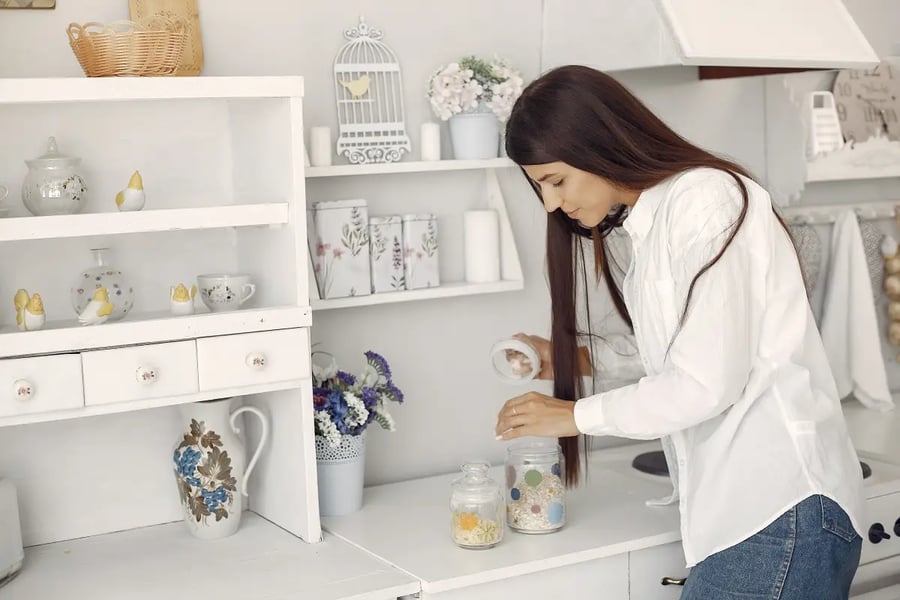
There is a moment in every home where things quietly shift. What once felt comfortable and functional now feels tight, crowded, and slightly overwhelming. It is not always obvious at first. A drawer that no longer closes easily, a chair that slowly becomes a place for clothes, a closet that feels full no matter how often you reorganize it. These are not random issues. There are signs that your space is holding more than it was meant to.
Managing this situation is not about forcing everything to fit. It is about rethinking how your space works and making smarter decisions about what stays, what moves, and how everything is handled.
Understand the Difference Between Clutter and Capacity
Not all crowded spaces are disorganized. Sometimes, the real issue is capacity. You can organize a space perfectly and still feel overwhelmed if there is simply too much inside it.
Signs your space has reached its limit
- You reorganize often, but things quickly feel crowded again
- Storage areas are full, yet items keep accumulating
- You start using random spaces just to fit things in
- Finding items becomes harder, even when you know they are there
Recognizing this difference is important. If the issue is capacity, the solution is not better organized. It is better management.
Build Layers Within Your Space
One of the most effective ways to regain control is to stop treating all items equally. Not everything needs to be stored the same way or kept in the same area.
Think in layers instead of piles.
A simple layered approach
- Daily layer: Items you use every day should be easy to access
- Occasional layer: Items used weekly or monthly can be stored nearby but out of sight
- Long-term layer: Items used rarely should be stored separately and securely
This method reduces pressure on your main living areas and allows your space to breathe. When everything is not competing for the same spot, your home immediately feels more manageable.
Redefine What Belongs in Your Home
A common mistake is assuming that everything you own must stay inside your home at all times. This belief is what often leads to overcrowding.
The truth is, many items do not need to be part of your everyday environment. Seasonal decorations, travel gear, large equipment, or rarely used belongings can take up valuable space without adding anything to your daily life.
In cities and growing regions such as Atlanta, Macon, or nearby areas like Milledgeville, many homeowners eventually reach a point where their homes no longer comfortably accommodate everything. As belongings start to outgrow available space, it becomes practical to look for nearby solutions rather than forcing everything to fit at home. In cases like these, options such as storage units near Eatonton, GA, offer a convenient way to manage overflow without overcrowding your living space. Many of these facilities also provide climate-controlled environments, helping protect items from heat and humidity while keeping your home more open and manageable.
This is not about getting rid of what you own. It is about deciding where it makes the most sense to keep it.
Create Purpose-Driven Spaces
When space becomes tight, one of the first things to break down is purpose. Rooms begin to serve too many functions, and items start to overlap.
To fix this, bring clarity back into your space.
Define clear zones
- Living areas should be for relaxation, not storage
- Workspaces should only contain what supports productivity
- Storage areas should be organized by category, not convenience
When each space has a clear role, it becomes easier to maintain order. Items no longer drift from one area to another without reason.
Make Your System Easy to Follow
An overly complicated system will not last. The more steps it takes to put something away, the more likely it is to be left out.
Simplicity is what keeps a system working.
Keep it practical
- Store items where you naturally use them
- Avoid overfilling shelves and containers
- Leave room for flexibility as your needs change
- Make it obvious where things belong
If your system feels easy, you will stick to it without thinking.
Accept That Space Has Limits
One of the hardest, yet most important, realizations is that every space has a limit. Trying to push beyond that limit usually leads to frustration and clutter.
Instead of forcing everything to fit, adjust your expectations. Not everything needs to be within reach at all times. Not everything needs to stay inside your home.
When you respect the limits of your space, you create room for comfort, movement, and clarity.
Maintain Control Through Small Habits
Even the best system will fall apart without consistency. The key is not to spend hours organizing, but to build habits that prevent disorder from returning.
Simple habits that make a difference
- Put items back immediately after use
- Do quick weekly resets of busy areas
- Remove items you no longer need
- Keep important belongings in consistent locations
These actions take very little time but have a lasting impact. Over time, they become automatic, and your space stays under control without effort.
Frequently Asked Questions
How do I know if I have too much for my space?
- If your home constantly feels crowded despite regular organizing, and you struggle to find space for new or existing items, your space has likely reached its capacity.
Should I remove items or find more space?
- It depends on the value of the items. If they are no longer useful, removing them is best. If they still serve a purpose but are not used often, relocating them to a more suitable space can help.
How can I organize without making my home feel tight?
- Focus on keeping only what you use regularly in visible areas. Everything else should be stored in a way that does not interfere with your daily routine.
What is the biggest mistake people make?
- Trying to force everything into one space. This leads to overcrowding and makes even well-organized areas feel chaotic.
How often should I reorganize?
- You do not need a full reorganization often. Small, regular adjustments and quick resets are more effective than large, occasional efforts.
Copyright © 2026 California Business Journal. All Rights Reserved.
For California Business Journal Disclaimers, go to /terms-conditions/.


