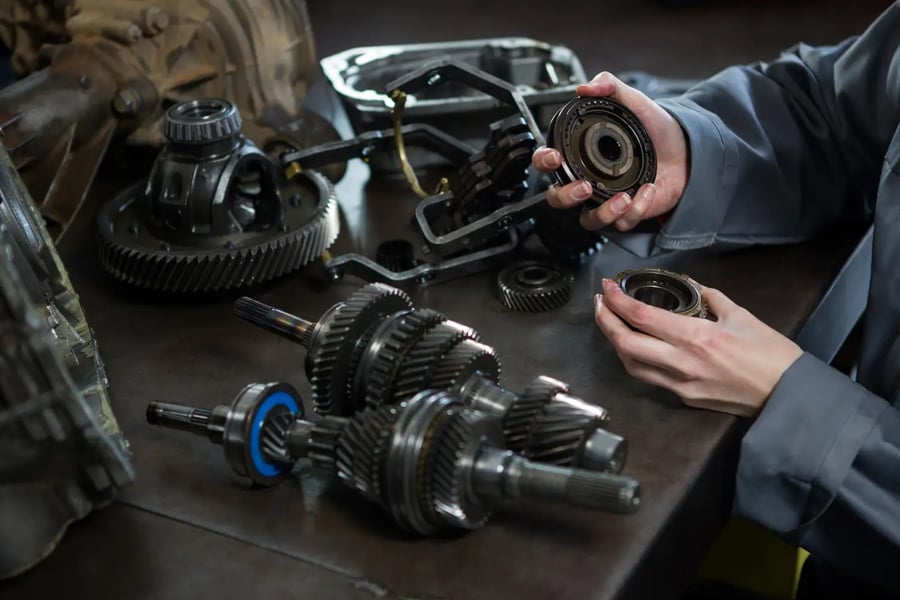
In industrial operations, few components are as critical as the gearbox. It transfers power, controls torque, and maintains smooth mechanical performance across a range of applications. Lufkin gearboxes, known for their durability and engineering precision, are widely used in oil, gas, and heavy manufacturing sectors. Even with their reputation for reliability, no gearbox is immune to wear. Identifying the early signs of Lufkin gearbox failure helps prevent downtime, costly repairs, and safety risks that can interrupt operations.
Understanding the Lufkin Gearbox
Lufkin gearboxes are designed to handle demanding workloads and high torque conditions. Their robust construction and precision machining make them dependable for continuous service in challenging environments. However, consistent performance depends heavily on maintenance practices and operational awareness.
Over time, gear systems experience fatigue, lubrication breakdown, and misalignment. Recognizing the early warning symptoms of these conditions allows operators to act before the problem becomes serious. Early intervention extends service life and protects the integrity of surrounding equipment.
Why Early Detection Matters
A gearbox rarely fails without first showing signs of distress. Small changes in sound, vibration, or heat can signal a developing problem. When such signs are ignored, the result can be bearing failure, cracked gears, or complete mechanical breakdown. Repairing or replacing a damaged gearbox is far more expensive than addressing a minor issue at an early stage.
In industries where operational continuity is vital, even a few hours of downtime can have significant financial consequences. That is why many facilities now integrate condition monitoring into their maintenance routines. Predictive systems, combined with skilled human observation, provide the best defense against unplanned failures.
Common Early Signs of Gearbox Failure
1. Unusual Noise or Vibration
A properly functioning gearbox produces a consistent, low-level hum. Changes in that sound often indicate wear or imbalance. Grinding, whining, or rattling noises suggest issues such as bearing wear or gear tooth damage. Similarly, excessive vibration may point to misalignment, imbalance, or loosened fasteners. Regular vibration analysis helps detect these issues before they progress.
2. Overheating and Oil Discoloration
Heat is a common byproduct of friction. When temperatures rise beyond normal levels, it often signals lubrication problems or excessive load. Overheating can cause oil to darken, thicken, or emit a burnt odor. Discolored lubricant is a clear indication that the oil is breaking down or contaminated. Monitoring temperature and oil condition is one of the simplest yet most effective preventive measures.
3. Increased Backlash and Misalignment
Backlash refers to the clearance between gear teeth. Some clearance is necessary, but excessive backlash reduces efficiency and increases wear. It can result from worn gear teeth, shaft movement, or foundation settling. Misalignment, whether angular or parallel, causes similar stress and leads to uneven load distribution. Routine alignment verification prevents long-term mechanical degradation.
4. Lubricant Contamination
Lubricant contamination is a strong indicator of internal wear. The presence of metal particles, dust, or moisture within the oil shows that seals may be compromised or that internal components are deteriorating. Oil sampling and analysis can detect these contaminants early, allowing targeted maintenance before major damage occurs.
5. Performance Fluctuations
Reduced torque, inconsistent output speed, or delayed response can signal internal wear or bearing issues. Such changes are often subtle at first but tend to worsen quickly. Tracking performance parameters during normal operation provides valuable clues about gearbox health.
Diagnostic Tools and Techniques
Modern maintenance programs rely on a combination of observation and analytical technology.
- Vibration analysis detects imbalance, misalignment, or gear tooth wear before they become critical.
- Infrared thermography reveals localized heating that indicates friction or lubrication failure.
- Oil analysis identifies contaminants, oxidation, or metal debris.
- Acoustic testing detects high-frequency noise patterns associated with bearing or gear defects.
Combining these diagnostic methods provides a comprehensive understanding of gearbox condition and allows maintenance teams to plan interventions more effectively.
Maintenance and Prevention Strategies
Preventing gearbox failure requires consistent attention to detail. Regular lubrication, alignment verification, and load monitoring form the foundation of reliable operation. Maintenance schedules should follow manufacturer recommendations but also adapt to site-specific conditions such as temperature, humidity, and operational cycles.
Training staff to recognize early warning signs is equally important. Technicians who understand how to interpret noise, temperature, and oil condition can intervene before serious damage occurs. Documentation of all inspections, oil changes, and adjustments supports accurate trend analysis.
For organizations that depend on these systems daily, professional servicing from experts in Lufkin gearbox repair ensures compliance with OEM standards. Experienced technicians use specialized tools and approved parts to restore performance and maintain long-term reliability.
A Note on Replacement and Rebuild Options
Sometimes a gearbox reaches the end of its service life despite proper care. In such cases, replacing worn components promptly can prevent wider system damage. Using genuine Lufkin parts or authorized equivalents maintains mechanical compatibility and efficiency. When wear is extensive, a complete rebuild may be more economical than repeated short-term repairs.
Conclusion: Proactive Care Preserves Reliability
A Lufkin gearbox is designed for endurance, but maintenance discipline determines its actual lifespan. Subtle changes in noise, temperature, or performance are not minor inconveniences; they are early messages that something requires attention.
By combining routine inspections, analytical diagnostics, and timely maintenance, operators can extend the service life of their gearboxes and avoid unplanned interruptions. The result is greater operational stability, improved safety, and reduced overall cost of ownership.
Copyright © 2025 California Business Journal. All Rights Reserved.
For California Business Journal Disclaimers, go to /terms-conditions/.


