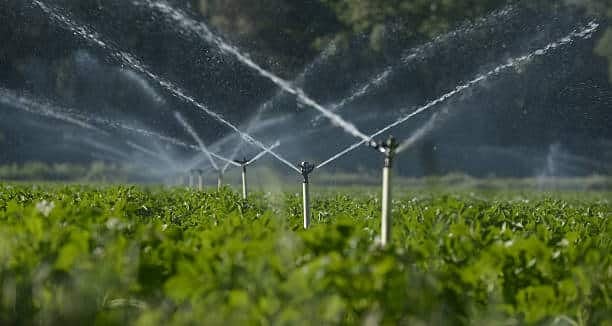
Efficient water distribution is critical to the success of large-scale agricultural operations, as irrigation directly impacts crop yields and long-term sustainability. This is especially true in Australia, where agriculture outfits operate in a predominantly dry climate and rely heavily on effective water management. In such environments, even minor inefficiencies can result in significant losses in productivity and precious resources.
Because of these environmental factors, water distribution at scale faces several challenges. These include ageing infrastructure, water loss through evaporation or leakage, and fluctuating supply due to climate variability. Diverse crop requirements and varying soil conditions further complicate consistent and efficient irrigation. Overcoming these challenges is therefore essential to improving agricultural performance and ensuring long-term sustainability, goals that call for strategic advancements in water distribution.
With this in mind, let’s explore some practical strategies and innovations aimed at enhancing water distribution in large-scale agricultural settings.
1. Implement Standpipe Pumps
A standpipe pump is a vertical pipe connected to a water source, used to draw water from rivers, bores, or irrigation channels. When strategically installed across large agricultural properties, these pumps provide multiple access points to water, reducing the need for long, costly pipelines from a single source. This arrangement also helps maintain consistent water pressure and flow rates, which are essential for uniform irrigation across vast areas.
In addition, standpipe systems offer flexibility in water delivery. Farmers can connect portable irrigation equipment directly to these pumps and easily reposition it based on crop requirements or field rotation. This adaptability not only reduces infrastructure costs but also minimises water delivery delays, thereby optimising irrigation schedules and improving overall water distribution efficiency.
2. Upgrade to Precision Irrigation Systems
Precision irrigation technologies, such as drip and centre-pivot systems, deliver water directly to the root zones of plants. This targeted approach significantly reduces water losses caused by runoff and evaporation, which are common concerns in traditional irrigation methods. These systems can also be customised according to crop type, soil condition, and growth stage, ensuring that water is applied precisely where, when, and how it is needed.
Moreover, many precision irrigation setups are automated and can be integrated with sensors and control systems. This level of automation allows for real-time adjustments to irrigation schedules, conserving both water and energy. The result is healthier crops, increased yields, and more efficient resource management, which are crucial benefits for large-scale farming operations.
3. Use Soil Moisture Sensors and Smart Monitoring
Soil moisture sensors provide accurate, real-time data on the water content of the soil, enabling farmers to make informed decisions about when and how much to irrigate. By closely monitoring moisture levels, irrigation can be applied only when necessary, reducing overwatering and minimising water waste. This data-driven approach enhances both water-use efficiency and crop health.
In addition, smart monitoring systems often integrate these sensors with weather forecasts and automated irrigation controls. This combination enables dynamic adjustments based on environmental conditions and crop requirements, further optimising water distribution. Over time, it helps farmers develop precise irrigation schedules tailored to specific zones within large agricultural fields.
4. Improve Infrastructure and Pipe Networks
Ageing or poorly maintained irrigation infrastructure is a major source of water loss through leaks, bursts, and uneven pressure. Replacing old pipes with modern, durable materials helps reduce these losses and ensures that water flows efficiently to all parts of the farm. Additionally, installing flow metres and pressure regulators allows for continuous monitoring and rapid detection of issues.
Another way to improve water delivery is through redesigning the layout of irrigation networks to minimise distance and avoid sharp bends. Efficient infrastructure reduces energy consumption for pumping and minimises downtime caused by repairs. Together, these improvements support more reliable and cost-effective water distribution.
5. Utilise Water Storage and Retention Systems
Water storage facilities such as tanks, reservoirs, and retention basins allow farms to capture excess water during periods of heavy rainfall or scheduled releases. This stored water can then be used during dry spells or peak irrigation demands, ensuring a steady and reliable supply. Essentially, storage systems act as a buffer against fluctuating water availability that’s common in many of Australia’s agricultural regions.
These systems also help to stabilise water pressure within distribution networks, which is particularly beneficial for areas located furthest from primary water sources. By maintaining a consistent flow, water storage systems support the operation of standpipe pumps and irrigation equipment, which in turn enhances overall water distribution efficiency across large-scale farms.
6. Adopt Mapping Technologies
Geographic information systems (GIS) and other advanced mapping tools provide farmers with detailed visual insights into land topography, soil composition, crop zones, and existing irrigation infrastructure. By analysing these layers of data, they can pinpoint inefficiencies in water distribution, such as areas that are over- or under-irrigated.
With this information, farmers can then strategically design irrigation layouts, optimise the placement of pumps and pipelines, and allocate water resources more effectively. GIS technologies support precision management of water distribution, reducing waste and ensuring more consistent coverage across large-scale agricultural operations.
The strategies outlined above are just a few of the many practical approaches available to improve water distribution in large-scale agricultural operations and adapt to increasing environmental pressures. As climate variability and resource constraints grow more severe, investing in smarter, more efficient water management has become not just beneficial but essential. By adopting forward-thinking practices, farms can boost productivity while safeguarding long-term sustainability.
Copyright © 2025 California Business Journal. All Rights Reserved.
For California Business Journal Disclaimers, go to /terms-conditions/.


