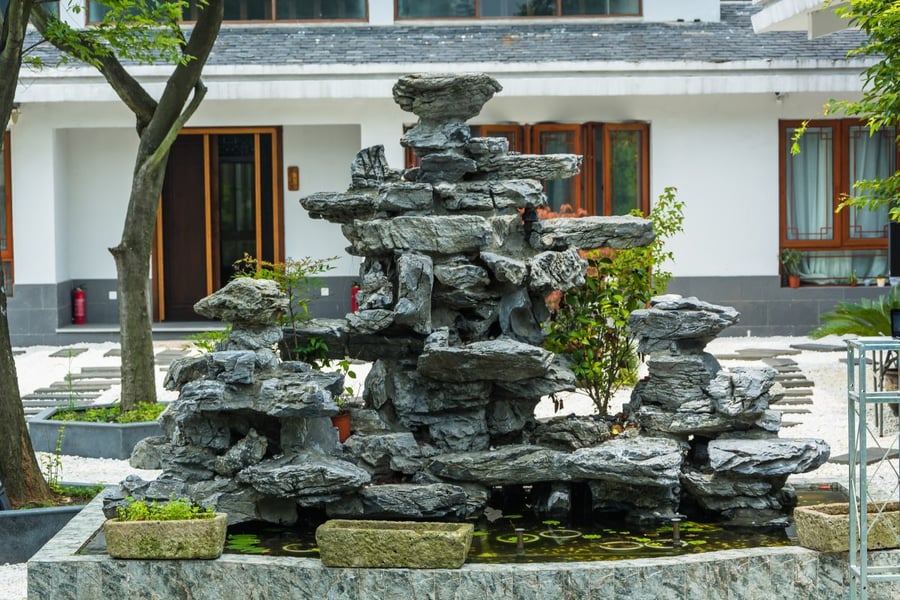
Choosing the right natural stone is a key decision when designing patios, walkways, and driveways. It influences both the appearance of your outdoor space and its performance over time. A driveway needs to handle vehicle weight, while a patio should remain comfortable underfoot and stay cool in warm weather. These differences make material selection more involved than it may seem at first.
In places like Pflugerville, Texas, where high temperatures and shifting soil are common, stone selection becomes even more important. Some materials perform better in heat, while others are more resistant to cracking during seasonal changes. Working with experienced professionals helps ensure the stone is chosen and installed correctly for long-term durability.
Durability and Load-Bearing Capacity
Durability is the first factor to evaluate when selecting stone for outdoor surfaces. Driveways require materials with high compressive strength, such as granite or thick-cut pavers, because they must handle constant vehicle weight. Walkways and patios, on the other hand, allow for slightly softer stones since they experience lighter foot traffic.
Equally important is the installation process. Even the strongest stone can fail if the base is not prepared correctly. A stable foundation prevents shifting, cracking, and uneven surfaces over time. Proper thickness and professional installation ensure the stone performs as intended under different loads. If you are looking for a limestone contractor in Pflugerville TX, there are many professionals who have years of experience.
Texture and Safety Considerations
Texture plays a key role in both safety and comfort. Surfaces exposed to water, such as pool decks or garden paths, should have natural slip resistance. Stones with a textured or cleft finish provide better traction compared to smooth or polished options, which can become slippery when wet.
At the same time, the surface should feel comfortable for everyday use. Rough textures may improve grip but can feel harsh under bare feet.
Climate Compatibility and Heat Absorption
Climate directly affects how stone performs outdoors. In warmer regions, darker stones tend to absorb and retain heat, making them uncomfortable during peak sun hours. Lighter stones, such as limestone, reflect sunlight and stay cooler, making them a better choice for patios and lounging areas.
Temperature changes also affect durability. In areas with fluctuating weather, stones that absorb too much moisture can crack during freeze-thaw cycles. Choosing materials with appropriate density and heat resistance ensures the surface remains stable and visually appealing throughout the year.
Maintenance Requirements and Porosity
Porosity determines how much moisture a stone absorbs, which directly affects maintenance needs. Materials like limestone and sandstone are more porous, so they require regular sealing to prevent stains from dirt, oil, or organic debris. Without proper care, these stones can discolor or weaken over time.
Denser stones such as granite or slate absorb less moisture and are easier to maintain. Even so, occasional sealing helps preserve their appearance. Choosing a material that aligns with your willingness to maintain it ensures the surface stays attractive without becoming a burden.
Aesthetic Harmony with Architectural Style
The stone you choose should complement the overall look of your home. A modern property often pairs well with clean, uniform pavers, while traditional or rustic homes benefit from irregular flagstone patterns that feel more natural.
Color also plays a significant role. Warm tones can enhance earthy landscapes, while cooler shades offer a more contemporary feel. Paying attention to these details helps create a cohesive outdoor space that feels intentional rather than mismatched.
Regional Sourcing and Professional Expertise
Using stone that is locally sourced or commonly used in your region often leads to better performance. These materials are typically suited to local soil conditions and weather patterns, which reduces the risk of long-term issues like shifting or cracking.
Professional installation is just as important as material selection. Experienced contractors understand grading, drainage, and base preparation. Their expertise ensures the stone is installed correctly, protecting your investment and extending the surface's life.
Building a Lasting Outdoor Foundation
Selecting the right stone comes down to balancing durability, safety, and visual appeal. Each surface has different demands, so it is important to match the material to its function. Considering climate, maintenance, and design ensures the space performs well over time.
A thoughtful choice transforms outdoor areas into reliable, attractive extensions of the home. When done right, stone surfaces not only improve daily use but also add long-term value to the property.
Copyright © 2026 California Business Journal. All Rights Reserved.
For California Business Journal Disclaimers, go to /terms-conditions/.


