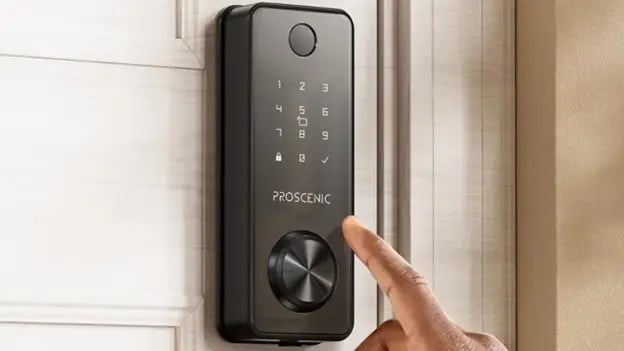
Short-term rentals continue to gain popularity as travelers prioritize privacy and home-like stays. For property managers, the reality is more complex. They must handle late check-ins, schedule staff movements, and keep pace with the steady rotation of guests and service crews.
Thankfully, smart locks are alleviating these pressures and are quickly becoming a core tool in modern rental operations. They give guests a smooth entry process while helping hosts maintain control across multiple properties.
As rental portfolios grow, the value becomes even more noticeable. Here is how vacation rental smart locks are reshaping day-to-day management.
Keyless Convenience
Physical keys often get misplaced, duplicated, or passed around without clear oversight. A late checkout or an early cleaning visit can turn into a scheduling issue. Smart locks replace this with clean, keyless access.
Guests and staff enter with a temporary PIN, fingerprint, or keycard. No hand-offs. No waiting. The turnover process becomes smoother and more reliable.
Remote Access
Most modern smart locks allow full control from a mobile app. Hosts can unlock and lock a door, reset access, or help a guest who arrives late, all without being on-site.
For managers handling multiple properties, this reduces site visits, saves time, and reduces staffing needs. Ultimately, day-to-day tasks become easier to manage from a single dashboard.
Temporary Access
Short-term rentals see a steady flow of people. Guests, cleaners, inspectors, and maintenance teams all need limited access. Instead of handing out keys, smart door locks allow hosts to issue unique, time-sensitive codes for each visit.
When the stay ends, the code expires automatically. No one can return after their permitted window has expired. This automated system strengthens security and maintains clear, controlled access.
Real-Time Alerts and Monitoring
Knowing when someone enters the property gives hosts a clearer view of operations. Smart locks send an alert every time the door is unlocked or if the system detects tampering.
Hosts see when a guest checks in, when the cleaner arrives, and whether access occurs outside scheduled hours. These updates help owners respond quickly and keep the property secure with minimal guesswork.
Offline Mode and Local Storage
Many rentals are located in areas with fluctuating network coverage. Keypad smart locks are designed to store access codes locally on the device, so they continue working during outages.
A built-in battery keeps the lock running, and guests can still enter even if the internet drops. This prevents lockouts and reduces last-minute calls from travelers who cannot get inside.
Integration with Smart Home Ecosystems
Smart locks fit naturally into broader property-tech setups. Hosts can pair them with cameras, sensors, thermostats, and rental management software.
This brings more consistency to cleaning schedules, security checks, and guest communication. When a cleaner uses their code, for example, the system can alert the host (through a notification) that the job is complete.
Improved Guest Experience
Self-check-in has become a key feature on platforms like Airbnb. Guests appreciate a frictionless, no-wait entry process, especially when arriving late at night.
Smart door locks establish a professional first impression immediately. Guests can enter without needing to coordinate key hand-offs. In most cases, convenience directly translates to better reviews and repeat bookings.
Conclusion
At its core, success in the modern rental market comes down to three pillars: security, efficiency, and guest satisfaction. Smart locks for vacation rentals hit all three at once. They secure your asset, streamline your workflow, and deliver the effortless arrival guests expect.
Don’t just secure your property for today. It’s time to upgrade now to future-proof your short-term rental business for tomorrow.
Copyright © 2025 California Business Journal. All Rights Reserved.
For California Business Journal Disclaimers, go to /terms-conditions/.


