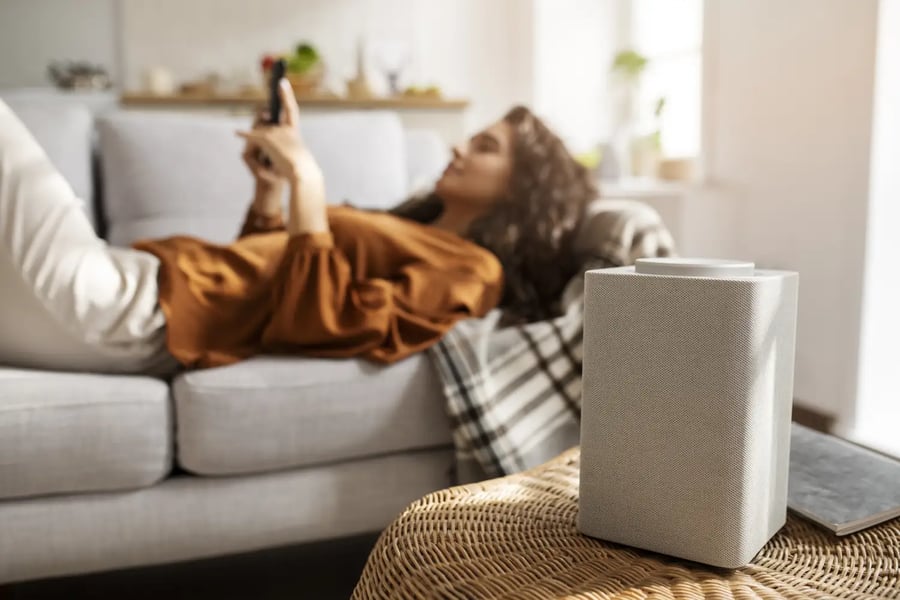
The air quality particle filter you have, how you use your air purifier and what contaminants are outside, all affect how often your filter has to be changed. If you understand all three properly, then you can keep high quality air in your home and increase your air purifier’s life.
Most manufacturers recommend replacing HEPA filters every 6-12 months. Of course, this can vary with your circumstances. Some filters need to be replaced every month. Others can last 2 years, if changed correctly and at the right times. Please note that some air purifiers like Mini Aer require little to no maintenance because they don't use any HEPA filters.
Factors Affecting Filter Replacement Frequency
Indoor Air Quality Conditions
Homes with poor air quality to begin with will necessitate changes on a more frequent basis. If you live near busy roads and highways, construction zones, or commercial and industrial areas, you should expect to replace your filters sooner than what is recommended. Cooking indoors, especially frying and grilling can also accelerate the filter saturation due to all of the particulates and without getting into the odors.
Vaping and Smoking
Tobacco smoke and vaping products all deposit fine particles and thousands of chemicals into your indoor air. If anyone smokes or vapes in your home, you should not expect to use the same timeline as mentioned above. It is absolutely reasonable to expect to change your carbon filters every month, and HEPA filters every 2-3 months.
Seasonal Allergies And Pollens
When pollen counts are high in the spring and fall, filters are being utilized more than ever to catch airborne allergens. Often, more monitoring or an earlier replacement schedule is necessary to keep your filter performing well.
Different types of pollen from trees, different types of pollen from weeds and other flowering vegetation are released at different times of the year, creating an influx of allergens for your filtration system to contend with.
Usage Hours
Air cleaners designed to run 24/7 will have filters that require replacement more frequently than ones which may only have the filter used for certain hours of the day. Determine how many hours the unit is in use, and adjust operator/ manufacturer's recommendations accordingly.
Depending on the vacancies and availability of time and humidity, units may be run more constantly in bedrooms or living rooms, and at that point should be considered qualifying for the shorter limits of recommended replacement numbers.
Signs Your Filter Needs Replacement
Visual Presence
The clearest (obvious) sign is that you see an obviously dirty filter. HEPA filters will be new and white, and should not look gray or brown. You know then it is time for replacement.
Attaching the filter to the home device, put filters on any monthly maintenance and visually inspect the condition of the filter. After you replace with new filters take before and after pictures so later you can compare with past and future filters and have a reference of change.
Less Air in Flow
If you notice the air coming out of the unit does not seem as strong, and is weaker even at a higher setting, the filter might be clogged. The restrictions in air force the purification motor to work harder to move the air, which costs you more money in energy cost, and may short change the life of the appliances.
Hold your hand to the outlet near the purifier to see how strong it is flowing. If there is too much decline in strength airflow or purification, it may only be a matter of time to carefully consider the purification efficiency decline.
Increased Allergies
If a member of the household notices their allergies worsening and you are using the air purifier without success, then it is likely not capturing particular allergens anymore.
You may want to document your symptom pattern and correlate it to when you replaced your filter the last time so you can determine your new home schedule.
Higher Energy Bills
The efficiency of product operation decreases as filters are saturated or clogged, added effort raises the energy consumption needed to function, and this can show up in energy usage bills. If you notice increased kilowatt usage with no apparent reason, you may want to check your filters.
Best practices for maintaining filters
Keep Record of Filter Replacement
Keep a record of replacement dates and type of filter/brand. This record is helpful as you will be able to recognize patterns based on your everyday environment and usage.
Calendar annual reminders for monthly inspections of the filters and suggested approximate replacement timeframes based on manufacturer guidelines.
Order Filters Ahead of Time
Be sure to buy replacement filters ahead of time. You'll want to have filters on hand to avoid delays that can impact air quality. Many manufacturers have subscriptions with automatic delivery of replacement filters on your schedule.
Right Installation :
Make sure that you have installed your filters correctly, every filter should have clear arrows, and they must point in the correct direction. If you install a filter in the wrong way it will impede airflow and can damage your air purifier.
Ensure there is a proper seal around the edges of the filters to avoid air by-passes which can impair the efficiency of the purification process.
Consider Your Budget:
Although original filters from manufacturers tend to provide the best results, filters from compatible third parties may offer some cost relief. Go with reviews and certification if you are going to use compatible third parties.
Remember that when you buy an air purifier, you need to factor in the cost of replacing the filters. Some air purifiers have expensive proprietary filters that can greatly affect the total cost of ownership of the unit. Alternatively, if you want to look at the portable options, triad go is also a considerable option.
Copyright © 2025 California Business Journal. All Rights Reserved.
For California Business Journal Disclaimers, go to /terms-conditions/.


