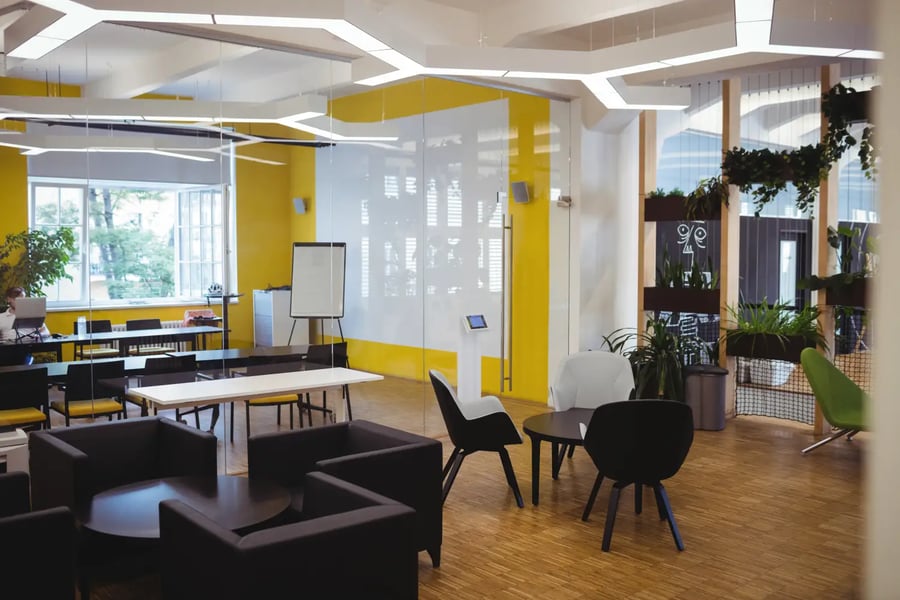
The commercial renovation world is moving fast, and the changes are more than surface deep. Companies are rewriting the rules on how people use office space, blurring the line between comfort and performance. It’s no longer just about fresh paint or updated furniture. The real shift is in how design, acoustics, and functionality intersect to shape a workplace that actually supports the people inside it.
Designing For Real Human Needs
The modern office isn’t trying to impress through extravagance. It’s about making spaces that work for real people who need focus, calm, and community in the same place. Designers have started to think like behavioral scientists, paying attention to how light, layout, and movement affect productivity. Floor plans are becoming smarter, balancing open areas with quiet zones so workers can choose what fits their mood or task. Warm lighting, natural wood, and textures that feel more home than boardroom have become the new normal.
This approach connects to a broader truth about post-pandemic work life. People want the workplace to add value beyond what they can get at home. Renovations now center on experience, not hierarchy. The CEO doesn’t necessarily get the biggest office anymore. Instead, companies are using that square footage for shared areas or project hubs that spark collaboration without making anyone feel boxed in.
The Quiet Revolution Of Acoustics
Noise has quietly been one of the biggest productivity killers in open offices. That’s why soundproof office pods are showing up everywhere from startups to high-end corporate headquarters. These pods have become the unsung heroes of modern renovation, giving employees instant privacy without losing the benefits of an open layout. They’re modular, movable, and surprisingly stylish, serving as both visual statement pieces and functional sanctuaries.
Architects have realized that people can’t thrive in constant noise. Renovations are reflecting that by introducing acoustic panels, flooring that absorbs sound, and even ceiling designs that reduce echo. The trend is clear: the best offices don’t force people to adapt to noise, they adapt the space to support focus.
Aesthetic Meets Durability
Commercial renovations are also getting smarter about materials. High-end doesn’t have to mean high-maintenance. Companies are leaning toward finishes that can handle heavy use without sacrificing style. Polished concrete, engineered wood, and recycled composite materials are leading the way. There’s a subtle confidence in this kind of design, it doesn’t scream luxury, it just feels good to be in.
That same mindset extends to color. Instead of harsh whites and sterile grays, designers are using warmer neutrals and muted tones that age gracefully. This is where paint selection becomes more than cosmetic. Hiring a reputable Los Angeles, Santa Cruz or San Diego painting company is worth finding when it comes to your commercial property, because commercial surfaces require precision, prep work, and finishes that hold up to daily wear. The right team doesn’t just paint walls—they help shape the visual identity of a space that lasts.
The Rise Of Adaptable Layouts
Workplace design used to be permanent. Walls were built to stay, and furniture was heavy enough to anchor a ship. That rigidity no longer fits the way companies operate. Now flexibility is the headline. Desks roll, partitions move, and spaces shift overnight depending on what’s needed. A meeting area can become a podcast studio or a relaxation zone in minutes.
Adaptability isn’t just a design buzzword, it’s a financial strategy. Renovations that anticipate change save money in the long run. Businesses can pivot without needing to gut the entire floor plan. The best renovations are being treated as living systems rather than fixed structures, built to evolve with the company that inhabits them.
Sustainability As Standard Practice
It’s impossible to talk about modern renovations without mentioning sustainability, but it’s no longer a niche add-on. It’s a baseline expectation. Energy-efficient lighting, repurposed materials, and water-conscious fixtures have become standard. Tenants and investors alike are starting to value sustainability as both a moral and economic decision. Lower utility costs and a reduced carbon footprint now go hand in hand.
Many commercial projects are even targeting certifications like LEED or WELL, not for marketing purposes, but because they recognize how deeply design affects human health. Better air quality, improved natural light, and biophilic design elements have moved from trend to necessity. These touches make a difference in how people feel during the day, which quietly translates into better performance and lower turnover.
A New Kind Of Workspace Mindset
Today’s commercial renovations show how far we’ve come from cubicles and corner offices. Businesses are no longer measuring success by square footage but by how well their space supports connection, focus, and flexibility. The design conversation has shifted from “how does it look?” to “how does it feel to work here?”
The modern office is now part lounge, part lab, part community space. It supports introverts and extroverts alike, creating a rhythm that mirrors real human behavior instead of forcing everyone into the same mold. From acoustic innovation to adaptable layouts and sustainable materials, these renovations aren’t just keeping up with change, they’re defining it.
What’s happening across the commercial renovation landscape isn’t a passing style shift. It’s a recognition that design has power. The most successful workplaces are no longer built to impress clients, they’re built to support the people who fill them every day. When design serves human needs first, productivity and creativity follow naturally. The future of the modern workplace is here, and it sounds a lot quieter, feels a lot warmer, and looks exactly like progress.
Copyright © 2025 California Business Journal. All Rights Reserved.
For California Business Journal Disclaimers, go to /terms-conditions/.


