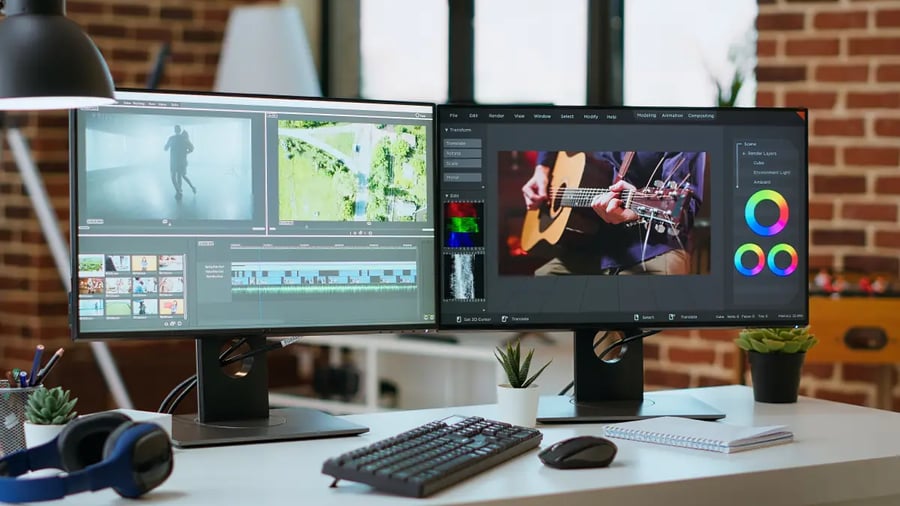
Product storytelling has become one of the most practical ways for growing companies to explain what they do. Buyers often discover a product through a short video before they read a landing page, book a demo, or compare pricing. That shift has changed the daily work of marketers, founders, educators, and product teams. A clear message still matters, but the ability to turn that message into useful video quickly is becoming just as important.
The challenge is that video production has traditionally required a long chain of steps. Teams had to write a script, find footage, coordinate design, create motion graphics, edit multiple versions, and then adjust the final asset for each channel. For a large brand, that workflow may be manageable. For a smaller team, it can slow down launches and make testing expensive. Modern creation tools are helping by shortening the distance between an idea and a publishable visual story.
Platforms such as Seedance 2.0 are part of a broader movement toward faster video workflows. Instead of treating every video as a major production project, teams can start from a message, a use case, or a product scene and build content around it. This is especially useful when a company needs to explain a new feature, show a before-and-after workflow, create social clips from a campaign, or localize a concept for different audiences.
Speed alone is not the whole benefit. The bigger business value comes from iteration. A marketing team can test several openings for the same product story. A sales team can create short explainers for different customer segments. A founder can turn an update into a simple video that feels more accessible than a long announcement. When teams can experiment with format and tone, they learn faster which messages make sense to their market.
Better workflows also help keep content consistent. A product may have many audiences, but the core positioning should stay recognizable across every channel. Video creation tools make it easier to reuse approved language, repeat visual themes, and adapt the same idea for a website, newsletter, paid campaign, and social feed. That consistency can make a young brand look more organized and can help established companies reduce the friction between strategy and execution.
There are still important editorial decisions to make. Businesses should review every asset for accuracy, clarity, and brand fit. They should avoid overloading short videos with too many claims, and they should make sure the final message answers a real customer question. Technology can accelerate the process, but thoughtful planning still separates useful content from noise. The strongest results usually come when teams combine clear positioning with a steady review process.
For companies competing in crowded markets, the advantage often goes to the team that can explain value clearly and keep learning from audience response. Modern video tools support that habit by making content easier to produce, refine, and distribute. As video becomes a standard part of product communication, flexible creation workflows will play a larger role in how businesses launch ideas and build trust.
Copyright © 2026 California Business Journal. All Rights Reserved.
For California Business Journal Disclaimers, go to /terms-conditions/.


