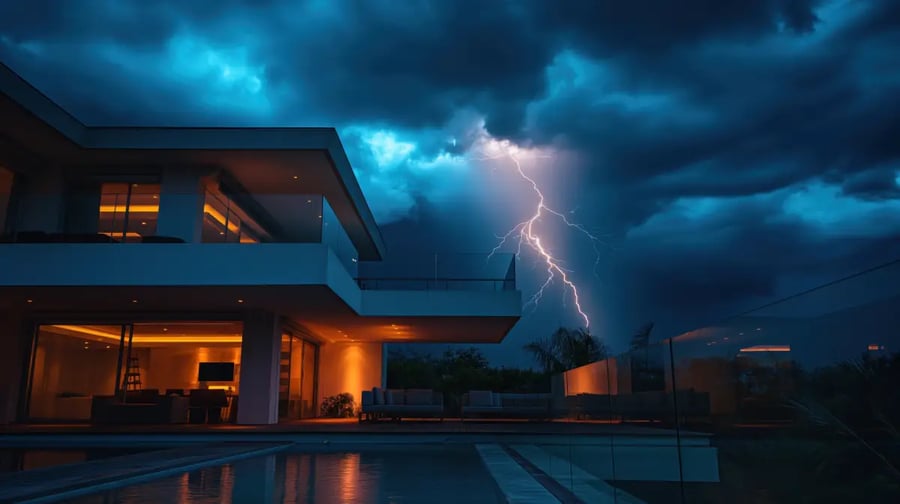
Residential structures are amongst the most impacted types of properties during severe weather. One of the most dangerous threats, especially during summer, is lightning strikes. Until it happens to them, many property owners minimize the threat. Good protection systems can reduce the level of destruction caused by electrical storms. Investing in these solutions offers the opportunity to lower the cost of repairs and safeguard families. Knowing the mechanics of such protection helps homeowners decide whether to install protection.
Understanding the Danger of Lightning
Lightning contains immense electrical energy. When this energy strikes a structure, it wants to go down the fastest possible way. This force can propagate via wiring, plumbing, and even structural components without adequate safety precautions. Fires can start, electrical systems can short out, and structural components can fail. Fixing that kind of damage takes a lot of time and money. With thunderstorms being so frequent, homeowners must prepare by installing systems for lightning protection for homes.
How Lightning Protection Systems Work
Lightning safety systems allow electricity to flow through a controlled path. There are metal rods that are strategically placed at certain points on the roof. These rods are then connected to heavy wires that go straight down to the earth. If a bolt hits, the system routes the energy safely through the ground. This stops hazardous surges from passing through house circuits or plumbing. This significantly mitigates the risk of fire and equipment loss through force dispersion outside the property.
Preventing Fire Hazards
Homes without these forms of protection have a higher likelihood of catching a fire during a storm. Electrical surges can ignite fires in attics or in the walls. Combustibles within the building are exposed. Fires can spread rapidly and cause major damage before first responders can reach them. A protection system captures and diverts this energy away from sensitive parts of the building, preventing these fires from developing. This minimizes expensive repairs and provides additional comfort for those therein.
Protecting Electronic Devices and Appliances
Modern homes require a variety of electronic devices. Widespread electrical storms can cause irreversible damage to televisions, computers, refrigerators, control systems, and much more. These surges are capable of destroying circuits and causing malfunctions. Household expenses may suffer if they need to replace or repair appliances. A safety system prevents such costs from being incurred. The system keeps key devices safe by directing excess electrical energy outward.
Safeguarding Structural Integrity
Not just electronics, even the structure can be affected by lighting. Thermal expansion from a quick burst of electricity can cause roofing materials, framing, and masonry to crack or weaken. Even minor damage can make the entire building structure unsafe. As time goes on, these problems can result in leaks, sagging, or instability. A protection system maintains the structure’s strength by preventing direct impacts. In this way, it guarantees safety for the long term and that you will not have to carry out emergency renovations.
Reducing Insurance Claims and Premiums
Insurance companies typically value these safety systems. Premiums for homes with approved protection could be reduced. This leads to a lower number of claims, which helps both homeowners and their insurers save money. This could also speed up claims processing in the event of damage. Protection is a compelling proposition because it is a positive, proactive risk management approach that insurers embrace.
Simple Maintenance and Lasting Value
After installation, these systems also need very little maintenance. This is why regular inspections by qualified professionals are so important to maintain effectiveness. Year after year, homeowners can rest assured that their home is protected. This also means that maintenance needs are relatively low, allowing for a cost-effective solution in the long run. Peace of mind, less frequent repair bills, and improved insurance rates are long-term benefits for families.
Conclusion
Residential properties face serious threats from electrical storms. One strike can result in fires, damaged electronics, and weakened structures. Having a protection system installed is a simple step to minimize these risks and further prevent costly repairs. It only makes sense to prepare our homes for the worst weather we expect them to endure. Taking steps today can save money, preserve precious property, and keep everyone under your roof safe.
Copyright © 2026 California Business Journal. All Rights Reserved.
For California Business Journal Disclaimers, go to /terms-conditions/.


