When you're dealing with a wound that just won't heal, the frustration can be overwhelming. Traditional treatments sometimes fall short, especially for diabetic ulcers, radiation injuries, or surgical wounds that refuse to close. That's where hyperbaric oxygen therapy enters the picture as a powerful ally in the healing process. This innovative treatment has been quietly revolutionizing wound care for decades, offering hope to patients who've exhausted conventional options.
What Is Hyperbaric Oxygen Therapy?
Hyperbaric oxygen therapy involves breathing pure oxygen while inside a pressurized chamber. The atmospheric pressure in these chambers is typically two to three times higher than normal air pressure, which allows your lungs to gather significantly more oxygen than would be possible at regular pressure levels.
This extra oxygen dissolves into your blood plasma, cerebrospinal fluid, and other bodily fluids, reaching areas where circulation might be compromised. The result is a supercharged delivery system that floods damaged tissues with the oxygen they desperately need to heal. Think of it as giving your body's natural healing mechanisms a substantial boost.
The Science Behind Accelerated Healing
When wounds struggle to heal, inadequate oxygen supply is often a primary culprit. Damaged or diseased blood vessels can't deliver sufficient oxygen to injured tissues, creating a vicious cycle where healing stalls and infection risks increase.
Hyperbaric oxygen therapy breaks this cycle by saturating your bloodstream with oxygen at levels impossible to achieve through normal breathing. This oxygen-rich environment stimulates the growth of new blood vessels, a process called angiogenesis. These fresh vessels create new pathways for nutrients and immune cells to reach the wound site.
Additionally, the elevated oxygen levels enhance white blood cell function, making them more effective at fighting bacteria and preventing infections. The therapy also reduces swelling and inflammation while promoting collagen production, the building block your body uses to repair damaged tissue.
Types of Wounds That Respond Best
Not every wound requires hyperbaric oxygen therapy, but certain conditions show remarkable improvement with this treatment. Diabetic foot ulcers top the list, as diabetes often impairs circulation and nerve function, making healing exceptionally difficult.
Radiation injuries from cancer treatment also respond well, since radiation can damage blood vessels and reduce oxygen delivery to affected areas. Other conditions that benefit include crush injuries, compromised skin grafts, chronic bone infections, and burns. If you're searching for a hyperbaric chamber for wounds near me, your healthcare provider can help determine whether your specific condition qualifies for treatment.
Non-healing surgical wounds and certain types of gangrene also show positive responses to hyperbaric therapy. The key factor is whether reduced oxygen delivery plays a role in the healing delay.
What to Expect During Treatment
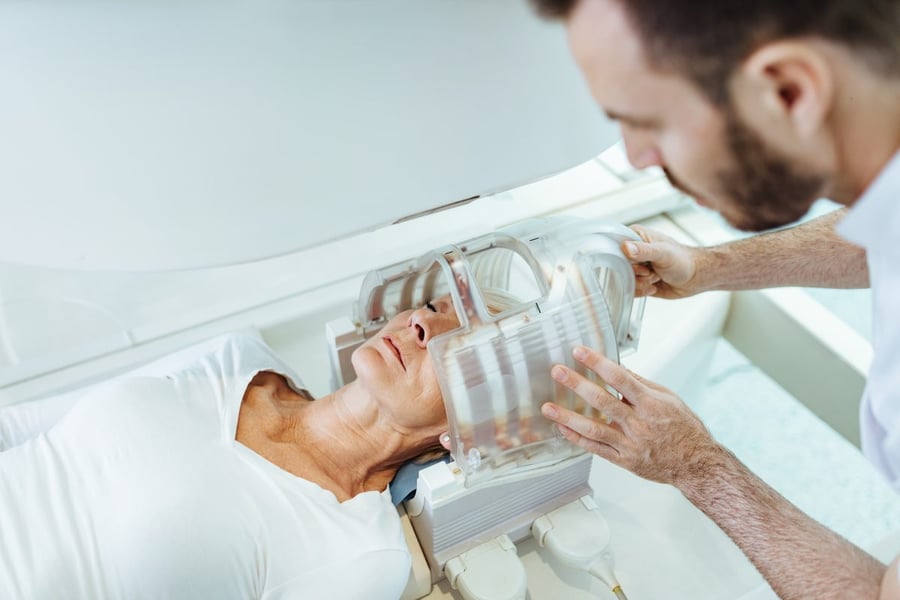
A typical hyperbaric oxygen therapy session lasts between 90 minutes and two hours. You'll lie comfortably in a clear acrylic chamber while breathing pure oxygen through a mask or hood. Some facilities use multiplace chambers that accommodate several patients simultaneously.
As the chamber pressurizes, you might feel fullness in your ears similar to what you experience during airplane takeoff. Swallowing, yawning, or pinching your nose and gently blowing usually relieves this sensation. Most patients find the experience relaxing and even use the time to sleep, listen to music, or watch television.
Treatment protocols vary based on your specific condition, but most patients require 20 to 40 sessions to achieve optimal results. Sessions are typically scheduled five days per week, allowing weekends for rest.
Safety and Side Effects
Hyperbaric oxygen therapy is generally safe when administered by trained professionals in accredited facilities. The most common side effect is temporary nearsightedness that resolves within weeks of completing treatment.
Some patients experience ear or sinus discomfort from pressure changes, though technicians can adjust pressurization rates to minimize this issue. Serious complications are rare but can include oxygen toxicity or lung collapse in susceptible individuals.
Your medical team will carefully screen you before treatment begins to identify any contraindications. Certain conditions, like untreated pneumothorax, may prevent you from receiving hyperbaric therapy.
The Road to Recovery
Hyperbaric oxygen therapy doesn't work overnight, but patients often notice improvements within the first few weeks of treatment. Wounds may show increased granulation tissue, reduced drainage, and better color as circulation improves.
The combination of enhanced oxygen delivery, improved immune function, and stimulated blood vessel growth creates an optimal environment for healing. While hyperbaric therapy is powerful, it works best as part of a comprehensive wound care program that includes proper nutrition, wound cleaning, and management of underlying conditions.
If you're struggling with a wound that refuses to heal, hyperbaric oxygen therapy might be the missing piece in your recovery puzzle. This scientifically proven treatment continues to help thousands of patients achieve healing when other methods have failed, offering renewed hope and improved quality of life.
Copyright © 2026 California Business Journal. All Rights Reserved.
For California Business Journal Disclaimers, go to /terms-conditions/.


