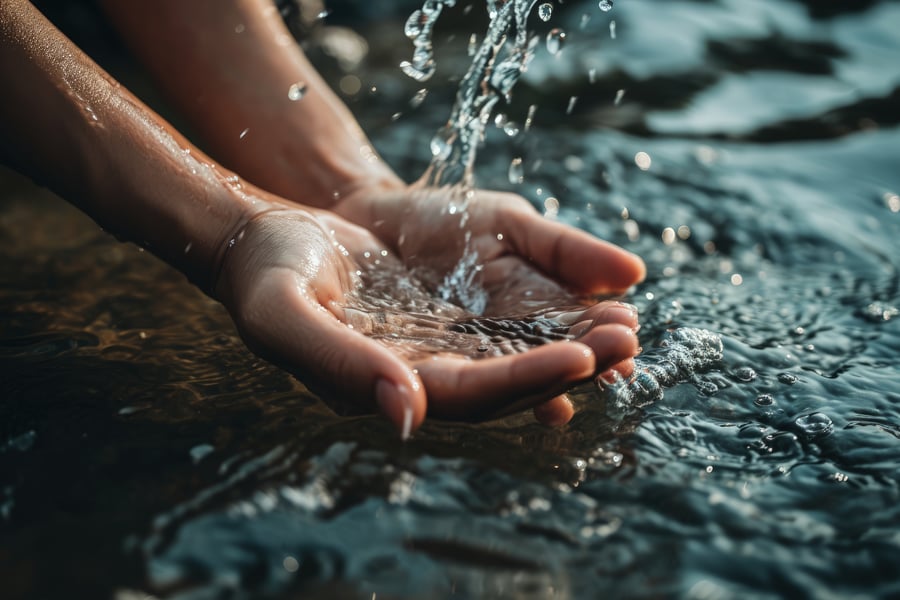
Millions of people around the world lack access to clean water. They face daily struggles to find safe sources for their families. This situation leads to serious health problems and limits opportunities for children and adults alike.
Christian water charities provide clean water through a combination of well construction, water system installation, community partnerships, and education programs that address both immediate needs and long-term solutions. These faith-based groups work in remote and difficult locations where traditional aid often fails to reach. They bring both technical expertise and a commitment to serve communities for years, not just months.
The process involves more than just digging wells or installing filters. These charities build relationships with local communities, train residents to maintain water systems, and teach proper hygiene practices. This article explains the methods these groups use, the real effects of their work, and how they continue to support communities after the initial project ends.
How Christian Water Charities Provide Clean Water
Christian water charities use a three-part approach to deliver clean water. They work directly with local people, install water systems built to last, and teach proper hygiene practices.
Partnering with Local Communities
A water charity organization starts by connecting with people who live in areas that need clean water. These groups often work through local churches and community leaders to understand specific water needs. Faith-based charities spend time learning about each community's unique challenges before they drill wells or install water systems.
Local partnerships help ensure projects succeed over time. Community members participate in decisions about where to place wells and how to maintain them. Churches often serve as gathering points for water projects and help spread information about new water sources.
This collaborative approach builds trust between charities and communities. Local people receive training to repair and manage water systems themselves. They become caretakers of their own water supply rather than depending on outside help.
Implementing Sustainable Water Solutions
Christian charities install different types of water systems based on local conditions. They drill deep wells in areas with underground water sources. In regions with seasonal rainfall, they set up rainwater collection systems. Each solution matches the geography and climate of the specific location.
Engineers assess water quality and choose appropriate filtration methods. Hand pumps work well in remote villages without electricity. Solar-powered pumps serve larger communities that need more water volume. Charities often install multiple access points so people can collect water close to their homes.
Maintenance plans keep water systems running for years. Charities stock spare parts locally and train repair technicians from within the community. Regular inspections catch problems early before systems break down completely.
Educational and Hygiene Programs
Clean water alone does not prevent all waterborne diseases. Charities teach families about handwashing at key times like before meals and after using the toilet. They demonstrate proper techniques and explain how germs spread through contaminated water.
Sanitation programs often accompany water projects. Communities learn to build and maintain latrines away from water sources. Education covers safe food preparation and water storage methods that prevent recontamination.
Children receive age-appropriate hygiene lessons at schools and churches. These programs use simple demonstrations and songs to make lessons memorable. Adults attend workshops that cover household water treatment and disease prevention strategies.
Impact and Ongoing Support
Christian water charities recognize that their work extends far beyond the initial installation of a well or water system. These organizations commit to long-term involvement through active maintenance programs and community development initiatives that create lasting change.
Monitoring and Maintenance
Most Christian water organizations establish regular check-in schedules to inspect their water systems. Staff members or trained local volunteers visit sites monthly or quarterly to test water quality and examine equipment for wear or damage. These visits help catch problems early before a well or filtration system breaks down completely.
The charities often set up local repair networks. They train community members to handle basic maintenance tasks like replacing filters, tightening connections, or adjusting pump mechanisms. This approach means communities don't have to wait weeks for outside technicians to arrive.
Many organizations also create spare parts programs. They stock common replacement items in regional centers or with local partners so repairs happen quickly. Some charities use mobile technology to track each water point's status. Communities can send text messages or use apps to report issues, which allows the organization to respond faster.
Empowering Long-Term Development
Christian water charities focus on building community capacity rather than creating dependence. They establish water committees made up of local residents who oversee the system's daily operations. These committees collect small fees from households to fund future repairs and replacements.
The organizations provide education on hygiene, sanitation, and water resource management. Families learn proper handwash techniques, safe food preparation, and how to protect water sources from contamination. This knowledge reduces disease and improves overall health outcomes.
Economic benefits follow reliable water access. Farmers can irrigate crops more effectively, which increases yields and income. Women and children spend less time collecting water, so girls attend school more often and mothers can pursue income-generating activities. The charities document these changes to show donors how their support creates ripple effects throughout entire communities.
Conclusion
Christian water charities bring clean water to communities through a clear process. They assess local needs, drill wells or install water systems, and work with residents to maintain these resources over time. These faith-based groups combine technical skills with long-term commitment to serve people in remote areas.
The impact goes beyond just water access. Communities learn hygiene practices and sanitation methods that protect health. This approach creates lasting change that transforms how families live each day.
Copyright © 2026 California Business Journal. All Rights Reserved.
For California Business Journal Disclaimers, go to /terms-conditions/.


