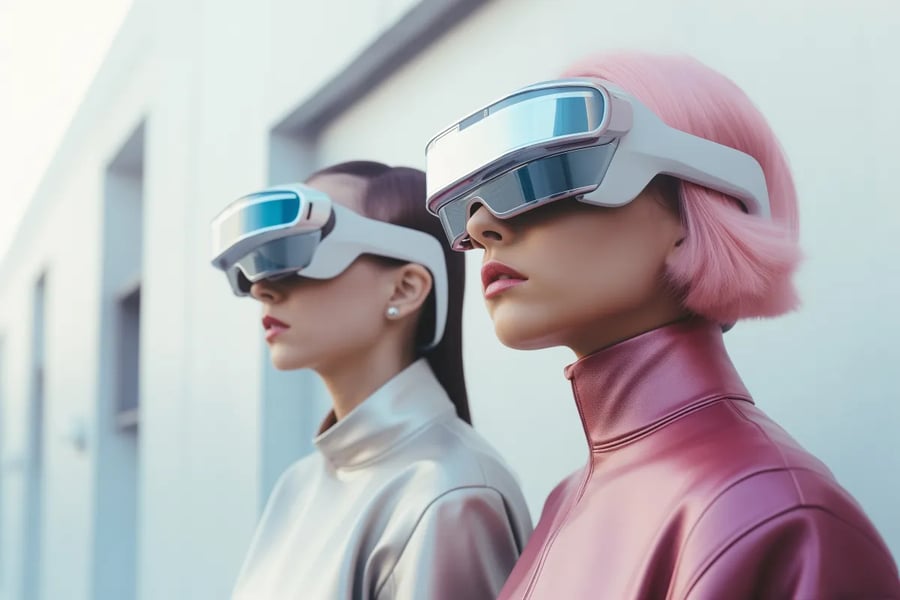
Hearing care has evolved significantly in recent years as technology continues to introduce new ways to support people experiencing hearing challenges. While traditional hearing aids remain the most widely recognized solution, new innovations are expanding the options available to individuals who want more flexible and discreet ways to improve their hearing.
One of the emerging ideas in this space is hearing glasses. These devices combine eyewear with built-in sound technology, offering an alternative approach to hearing assistance. As hearing technology continues to develop, many people are curious about how hearing glasses compare to traditional solutions and where they fit within modern hearing care.
Understanding how this technology works and how it complements existing hearing solutions can help people make more informed decisions about their hearing health.
Why Hearing Care Matters
Hearing plays a vital role in everyday communication and overall quality of life. It allows people to participate fully in conversations, stay aware of their surroundings, and maintain meaningful relationships. When hearing begins to decline, even small daily interactions can become more challenging.
People experiencing hearing difficulties may struggle to follow conversations in busy environments, miss important information during meetings, or feel frustrated when they need others to repeat themselves. Over time, these experiences can affect confidence and social engagement.
Hearing loss often develops gradually, which means many people adapt to the changes without realizing that their hearing has declined. Because the process is slow, individuals may delay seeking help even when they begin to experience noticeable difficulties.
Addressing hearing concerns early can make a meaningful difference. Regular hearing checks and modern hearing technologies allow people to stay connected to the sounds that matter most in daily life. Maintaining good hearing health helps preserve communication, independence, and overall well-being.
Common Hearing Care Solutions Today
Today’s hearing care landscape includes a variety of tools designed to improve hearing and communication.
Hearing aids remain the most common solution. These small electronic devices amplify sound and are carefully programmed to match an individual’s hearing profile. Modern hearing aids can automatically adjust to different listening environments, helping users hear more clearly in quiet spaces as well as in crowded areas.
Assistive listening devices are another option. These tools are often used in specific situations, such as watching television, attending lectures, or participating in meetings. They capture sound from a microphone or speaker and deliver it directly to the listener.
Communication strategies can also play an important role in hearing care. For example, reducing background noise, facing the person speaking, and improving room lighting can help individuals follow conversations more easily.
In recent years, wearable technology has introduced new possibilities. Innovations such as hearing glasses are beginning to expand the range of available solutions.
What Are Hearing Glasses?
Hearing glasses represent a newer approach to hearing assistance. These devices combine the functionality of traditional eyewear with integrated sound technology designed to support hearing.
Instead of placing a device directly inside the ear, hearing glasses use microphones built into the frame to capture surrounding sounds. The sound is then processed and delivered toward the wearer’s ears through small speakers located near the temples of the glasses.
This design allows hearing assistance to be integrated into an accessory that many people already wear daily. Because the technology is built into the frame, hearing glasses look similar to standard eyewear and do not immediately appear to be hearing devices.
For individuals who prefer subtle hearing solutions, this integrated approach can feel more natural than wearing a separate device. One example of this innovation can be seen in nuance audio eyewear solutions, which explore how hearing technology can be combined with eyewear to support everyday listening needs.
Where Hearing Glasses Fit in Hearing Care
Hearing glasses are best understood as an additional option within the broader hearing care ecosystem rather than a replacement for traditional hearing aids.
For people with mild hearing challenges, hearing glasses may provide enough sound enhancement to improve everyday communication. Because they resemble normal eyewear, they offer a discreet way to receive hearing support without drawing attention to the device.
These glasses may be particularly helpful in situations such as small group conversations, quiet social gatherings, or everyday interactions at home or work. The directional microphones can focus on voices coming from the front, making speech easier to hear.
However, individuals with moderate to severe hearing loss may still require specialized hearing aids designed specifically for stronger sound amplification. Hearing glasses are not intended to replace these medical devices but instead complement the range of available hearing support options.
In this way, hearing glasses add flexibility to hearing care. They provide another solution that may suit people whose needs fall between standard hearing and the need for full hearing aid support.
Benefits of Hearing Glasses
One of the main advantages of hearing glasses is their discreet design. Because the sound technology is integrated into the frame, the device resembles regular glasses. This can help users feel more comfortable wearing hearing support in public settings.
Convenience is another major benefit. Many individuals already wear glasses throughout the day, so combining vision and hearing support into a single accessory simplifies daily routines. Instead of managing multiple devices, users can rely on one integrated solution.
Comfort also plays an important role. Some people find in-ear hearing devices uncomfortable after long periods of use. Hearing glasses deliver sound near the ear rather than inside the ear canal, which can feel more comfortable for certain users.
Directional audio technology can further improve listening experiences. Microphones in the frame can focus on voices coming from specific directions, helping reduce background noise and improve speech clarity during conversations.
In addition, hearing glasses can offer a more natural listening experience for individuals who need only moderate sound support. Because the speakers are positioned near the ears rather than inside them, the sound may feel less intrusive for some users.
Conclusion
Hearing care continues to evolve as new technologies emerge. While traditional hearing aids remain essential for many individuals, innovations such as hearing glasses are expanding the possibilities for hearing support.
By combining eyewear with integrated audio technology, hearing glasses offer a discreet and convenient way to enhance hearing in everyday situations. They illustrate how wearable devices can support multiple needs at once while blending naturally into daily life.
As technology continues to improve, solutions like hearing glasses may become increasingly common. For individuals exploring hearing care options, these innovations represent another step toward making hearing support more accessible, comfortable, and seamlessly integrated into everyday living.
Copyright © 2026 California Business Journal. All Rights Reserved.
For California Business Journal Disclaimers, go to /terms-conditions/.


