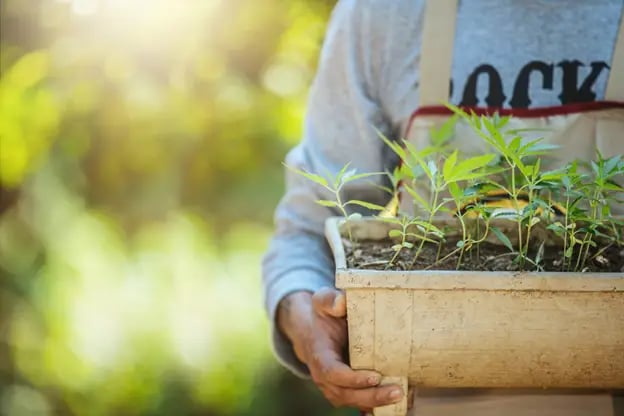
Growing cannabis requires proper environmental conditions and dedicated effort until the final product achieves its required standards. The entire growing process, from seed selection to plant harvesting, determines the final crop quality. Indoor and outdoor growers achieve superior results by fully understanding their growing process.
Here is the step-by-step process of cannabis growth:
1. Choosing the Right Seeds
The process begins with selecting high-quality seeds. The plant's genetic makeup determines its growth pattern, flavor profile, scent characteristics, and THC content. Many growers prefer starting with top-shelf marijuana seeds because they are known for stable genetics and strong performance. Healthy seeds are usually dark brown and have a hard outer shell.
Make sure to buy from a reliable supplier such as Humboldt Seed Company. The right strain selection requires consideration of three factors: climate conditions and available space, and personal taste. Some strains grow tall and require more room, while others stay compact and are better suited for indoor setups.
2. Germination Stage
The seed needs to undergo germination after selection is complete. The seed reaches this stage when it starts to grow its initial root system. Growers often place seeds in a moist paper towel or directly into soil. The process requires both warmth and moisture to succeed.
A small white root will appear within the next few days. The seed needs to be planted in soil after its root has developed a downward point. Young sprouts need careful handling because they lack physical strength.
3. Seedling Stage
The seedling pushes through the soil and begins to form its first tiny leaves. The plant needs abundant light during this period, but it requires limited heat. The plants need the proper amount of water. Excess water will damage the roots of young plants, and insufficient water will interrupt their growth.
Seedlings begin their slow growth process because they need to build a solid root system. The foundation plays a crucial role in determining how future development proceeds.
-
Flowering Stage
The flowering stage begins when light exposure patterns first change. Indoor growers typically shift their lighting system to provide 12 hours of light followed by 12 hours of complete darkness. Outdoor plants naturally enter this stage as daylight hours shorten.
The plants begin their bud development process during the flowering stage. The plant requires more phosphorus and potassium during this stage because these nutrients help develop buds. Humidity management becomes critical because it helps protect against mold growth.
Growers need to closely monitor their plants throughout this period. The proper treatment of plants, together with appropriate lighting and environment management, directly affects the quality and size of the buds.
-
Harvesting and Drying
Harvest time begins when the buds have fully developed into mature form. Growers use trichome examination to assess bud readiness for harvest. The right time to harvest is when the trichomes transition from clear to milky or amber.
The team trims the buds from the cut plants before hanging them upside down in a dark, cool area to dry. The proper drying process takes between one and two weeks. The team provides airtight containers for the buds after they return from drying to facilitate curing, which enhances flavor and smoothness.
Conclusion
Growing cannabis from seed to harvest is a detailed process that rewards patience, consistency, and attention to environmental conditions. Each stage—from choosing high‑quality genetics to germinating seeds, nurturing seedlings, managing the flowering cycle, and finally harvesting and curing—plays a direct role in the plant’s final potency, flavor, and overall quality.
When growers understand how these stages connect, they can make informed decisions that support healthy development and strong yields. With reliable seeds, proper care, and a controlled environment, the entire journey becomes smoother and more predictable, allowing growers to produce cannabis that meets both personal and professional standards.
Copyright © 2026 California Business Journal. All Rights Reserved.
For California Business Journal Disclaimers, go to /terms-conditions/.


