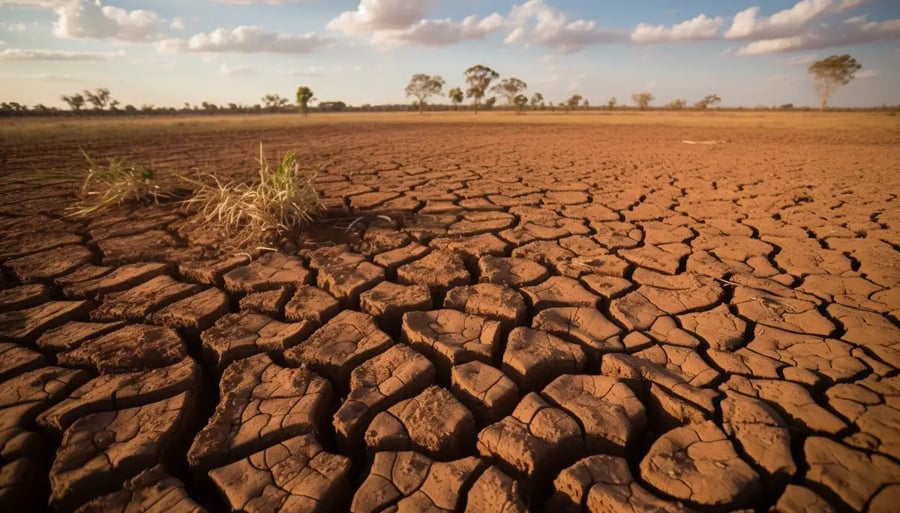
California is defined by a climate of extremes. The state frequently oscillates between multi-year droughts and intense, brief periods of heavy precipitation. While these weather patterns are often discussed in terms of water conservation and agriculture, they also exert significant physical force on residential infrastructure. For homeowners, understanding the geological relationship between variable moisture levels and structural integrity is essential for maintaining a stable home.
The Science of Expansive Soils
The primary culprit behind foundation issues in California is the prevalence of expansive clay soils. Unlike sandy soils, which allow water to drain through relatively quickly, clay acts like a dense sponge. When it rains, the clay minerals absorb water and increase in volume. Conversely, during a prolonged drought, the soil loses that moisture and undergoes a process of desiccation.
As the soil dries out, it shrinks and pulls away from the concrete footings of a house. This creates voids or gaps between the earth and the structure. Without the constant, uniform support of the ground, the heavy weight of the building can cause the concrete to sink into these newly formed cavities. This movement is commonly referred to as foundation settlement.
The Desiccation Cycle and Structural Stress
During a typical California drought, the evaporation of deep-seated soil moisture leads to significant soil movement. This movement is rarely uniform.
When the tension exceeds the tensile strength of the concrete, homeowners begin to notice the physical manifestations of foundation damage. These signs often include:
- Diagonal cracks in interior drywall, particularly above door frames and windows.
- Doors that stick or no longer latch correctly due to the frame shifting out of alignment.
- Visible gaps between the exterior siding and the windows or doors.
- Floor surfaces that feel sloped or uneven when walking from one room to another.
While a single dry season might only cause minor cosmetic issues, the cumulative effect of several drought cycles can lead to severe foundation problems that compromise the safety of the entire building.
Professional Assessment of Soil Movement In Los Angeles
Los Angeles is known for being drought ridden, mixed with its complex hillside soils it is a hotspot for foundation damage. Identifying the difference between minor settling and significant structural failure requires a technical eye. Homeowners often look for foundation repair specialists serving Los Angeles to conduct thorough site evaluations. Sunshine Foundation Repairs notes that these assessments typically involve measuring the floor’s elevation and inspecting the crawlspace for signs of moisture intrusion or wood rot. By identifying these issues early, it is often possible to implement stabilization methods that prevent the need for a total foundation replacement.
Mitigation Strategies for Homeowners
While weather patterns are outside of a homeowner's control, there are several steps that can be taken to stabilize the soil environment around a residential foundation repair project or a healthy home.
- Consistent Irrigation: During extreme droughts, using a "soaker hose" placed eighteen inches from the foundation can help maintain a consistent moisture level in the clay, preventing the soil from pulling away from the footings.
- Gutter Maintenance: Ensuring that downspouts discharge water at least five to ten feet away from the structure prevents the localized saturation that leads to hydrostatic pressure.
- Grading: The ground around the home should ideally slope away from the foundation at a rate of six inches over the first ten feet. This prevents water from "ponding" against the concrete.
Long-Term Structural Health
The reality of living in California is that the ground beneath a home is rarely static. By monitoring the property for early signs of foundation damage and addressing drainage issues before they escalate, homeowners can protect their investment against the inevitable shifts of the earth. Understanding these cycles is the first step in ensuring that a structure remains level and secure for decades to come.
Copyright © 2026 California Business Journal. All Rights Reserved.
For California Business Journal Disclaimers, go to /terms-conditions/.


