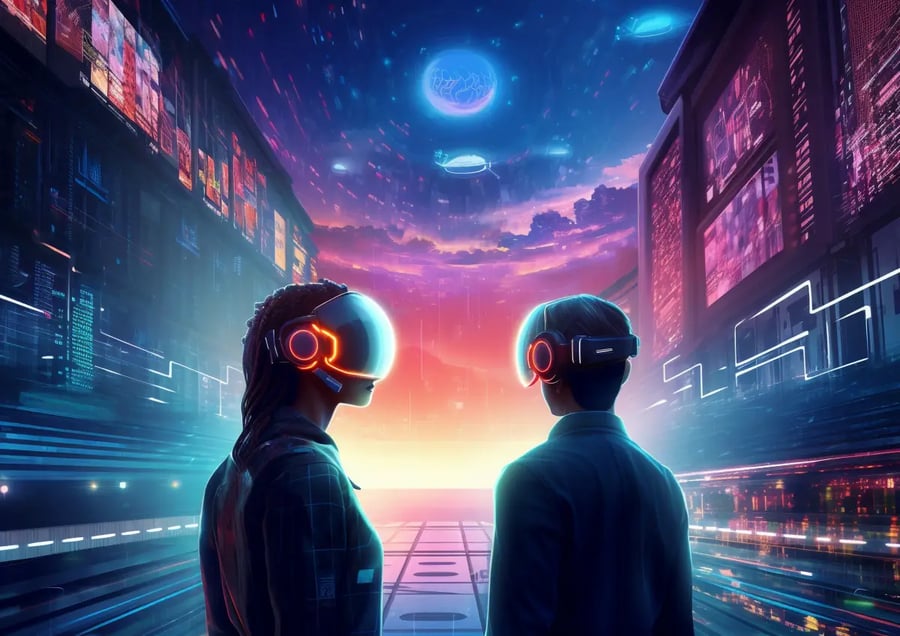
We are living through one of the most significant shifts in how cities are designed, managed, and experienced.
Sensors embedded in roads, real-time data flowing from water pipelines, and traffic systems responding dynamically to congestion are all part of what once seemed like science fiction but is now quietly becoming the operational standard in forward-thinking cities around the world.
At the heart of this transformation is a powerful combination of artificial intelligence and digital twins. Together, they are reshaping how city planners, engineers, and municipal governments understand and manage complex urban infrastructure.
AI-powered digital twins go beyond visualization. They analyze real-time infrastructure data, predict failures, simulate outcomes, and automate operational decisions. This is why many municipalities are increasingly investing in advanced AI development services to build scalable and intelligent urban systems.
Use Cases for AI-Powered Digital Twins in Smart Cities
1. Predictive Maintenance for Urban Infrastructure
One of the biggest challenges for city infrastructure is unexpected failure. A damaged bridge component, a leaking pipeline, or an overloaded transformer can disrupt communities and lead to expensive emergency repairs.
How AI Powers Digital Twins
- Detects structural weaknesses in bridges and buildings early
- Anticipates pipeline leaks and equipment failures
- Monitors rail and utility systems in real time
- Helps cities schedule maintenance proactively instead of reactively
This approach reduces downtime, lowers maintenance costs, and improves public safety.
2. Real-Time Traffic and Mobility Management
Urban traffic is influenced by weather, public transport usage, road construction, accidents, and population movement. Managing all these variables manually is nearly impossible.
How AI Powers Digital Twins
- Adjusts traffic signals in real time based on congestion
- Predicts traffic bottlenecks before they escalate
- Optimizes emergency vehicle routing
- Simulates the impact of new roads or infrastructure projects before construction
These systems improve commuter experience, reduce fuel waste, and support better urban planning decisions.
3. Energy Grid Optimization
As cities adopt renewable energy and electric vehicles, managing power distribution has become more complex. Energy demand now fluctuates constantly, while renewable sources like solar and wind are inherently variable.
How AI Powers Digital Twins
- Forecasts electricity demand spikes
- Balances renewable and traditional energy sources
- Optimizes EV charging loads across city grids
- Reduces energy waste in commercial buildings and public infrastructure
For cities pursuing sustainability and net-zero goals, AI-driven energy management is becoming essential.
4. Flood and Disaster Risk Modeling
Extreme weather events are forcing cities to rethink infrastructure resilience. Floods, storms, and heatwaves can disrupt transport systems, utilities, and emergency services within hours.
How AI Powers Digital Twins
- Predicts flood-prone zones and drainage failures
- Simulates evacuation and emergency response routes
- Models heatwave impact on power and transport systems
- Identifies infrastructure vulnerabilities before disasters occur
These simulations help governments improve preparedness, reduce risk, and make faster decisions during emergencies.
Real-World Use Cases
| City | Application | Impact |
| Singapore | Virtual Singapore | Uses AI to simulate crowd bursts and heat island effects to optimize building layouts for natural cooling. |
| Chattanooga, USA | Traffic Twin | Employs AI to reduce congestion and optimize emergency vehicle routes using thousands of data points per second. |
| Rotterdam, NL | Port Digital Twin | AI coordinates ship arrivals, weather conditions, and crane schedules to reduce docking wait times and fuel waste. |
The Bottom Line
We are moving toward autonomous infrastructure where AI-powered digital twins not only detect a problem but autonomously initiate a response.
For governments ready to move beyond the planning stage, working with an experienced digital twin services provider is one of the most reliable ways to accelerate deployment while avoiding the pitfalls that have slowed down less well-supported projects.
Ultimately, the journey to a smarter city starts with high-quality data, strong system integration, and a clear focus on solving real urban challenges.
Copyright © 2026 California Business Journal. All Rights Reserved.
For California Business Journal Disclaimers, go to /terms-conditions/.


