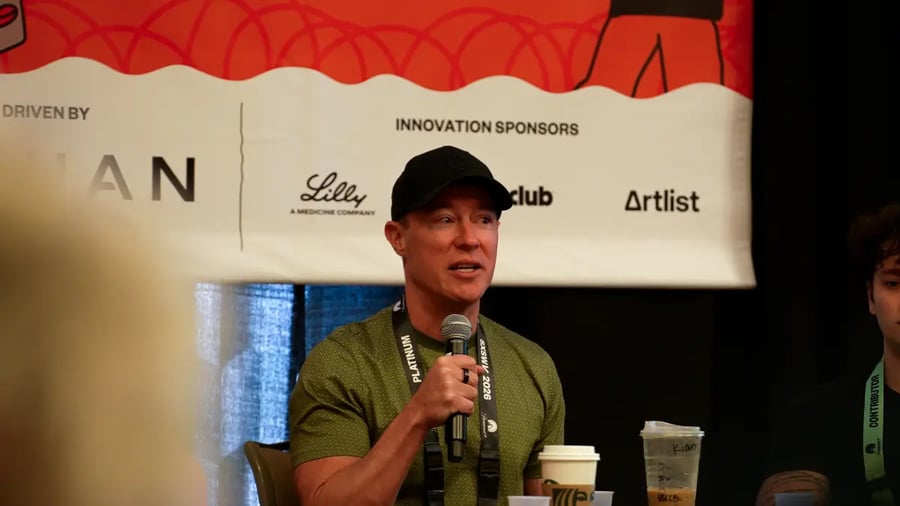
A moment at SXSW offered greater insight into the future of entertainment than any event during awards season.
Howard Rosenman, an Academy Award-winning producer, chose to forgo the Oscars this year to engage with creators. He instead attended SXSW and met with digital talent, listened, asked questions, and connected with a new generation of stars who haven’t followed the traditional Hollywood path.
His decision clearly marked a real shift in direction and signaled broader industry trends.
For decades, Hollywood studios controlled who became important by managing access, distribution, and visibility. Those outside this system had few opportunities. Now, creators have transformed the landscape by connecting directly with their audiences, something earlier generations could not do.
Today, audiences, not Hollywood, determine who becomes relevant.
This audience-driven shift is transforming the traditional entertainment power structure. Creators no longer need gatekeepers to gain influence. They can build communities, test ideas, share content, and monetize attention directly. While Hollywood remains significant, it’s no longer the sole path to relevance.
“Behind the scenes, Hollywood is starting to see creators as more than just marketing tools. Studios, producers, and executives now view them as talent with their own audiences. This shifts the focus from just getting access to having real leverage,” says Jeff Duncan, CEO of Ingenuity Live, a talent management agency for today’s creators.
The presence of both creators and industry veterans at SXSW showcased this new reality.
On one side were Hollywood veterans like Rosenman, with extensive experience in storytelling and cultural influence.
On the other hand, creators such as Tommy Winkler and MostlyLuca, represented by Duncan and Ingenuity Live, have built large digital audiences outside the traditional Hollywood system.
What stood out was not conflict but mutual respect. Creators didn’t dismiss Hollywood; they expressed interest in storytelling, building lasting careers, and creating enduring work.
Hollywood, in turn, was receptive. Industry veterans were enthusiastic about the speed, audience engagement, and cultural expertise that creators bring to the table.
This exchange matters because each group possesses what the other wants, underscoring the significance of their collaboration.
Creators provide distribution, speed, and direct audience feedback. They excel at building trust and maintaining attention. Hollywood offers structure, storytelling expertise, and experience in developing enduring properties. The future will favor those who can bridge both worlds.
This spirit of collaboration extends beyond content creation into monetization strategies.
Traditionally, Hollywood focused on big projects, aiming for large-scale hits and post-success profits. In contrast, creators pursue ongoing revenue by developing systems for brand partnerships, subscriptions, proprietary products, live events, and content. This reverses the old model, shifting from occasional large paydays to consistent monetization strategies.
“Creators don’t chase one big payday. They build machines that monetize attention every day,” says Duncan.
This creator-led model reduces industry risk by generating reliable demand from loyal audiences. However, being successful with short-form content does not automatically mean creators will succeed with film, television, or other long-form formats.
This is why moving from short-form to long-form content represents the next big opportunity.
“Not all creators can move into long-form content such as film and television, just as not all Hollywood executives know how to reach digital audiences,” says Duncan. “The industry is realizing that large follower counts alone do not create long-term value; engagement, strategic thinking, and storytelling abilities are far more critical for success.”
This shift is also impacting managers. Previously, managers primarily negotiated deals. Now, they must act as operators, strategists, and business builders.
Creators seek more than sponsorships or short-term gains; they aim to build companies, retain ownership, and create long-term value. The talent support system must evolve. Transactional management won’t work in a creator economy where the main goal is building assets.
“Managers used to close deals. Now they build businesses. That has always been our approach at Ingenuity Live with our clients. How to help them move beyond virality into longevity,” says Duncan.
Over the next three to five years, the industry will likely become more integrated. The most successful individuals will not be solely creators or traditional entertainers, but a blend of creators, storytellers, and operators. They will know how to build audiences, develop intellectual property, and navigate both short and long-form content.
This is the direction the industry is heading. It is not about creators replacing Hollywood, but about a blended model where audience ownership and strong storytelling are both essential.
The winners won’t come from just one side. They’ll come from the next generation of stars, who will shape culture by mastering both Hollywood’s craft and the agility of creators, demonstrating that the future belongs to those who blend both worlds rather than choosing one over the other.
Copyright © 2026 California Business Journal. All Rights Reserved.
For California Business Journal Disclaimers, go to /terms-conditions/.


