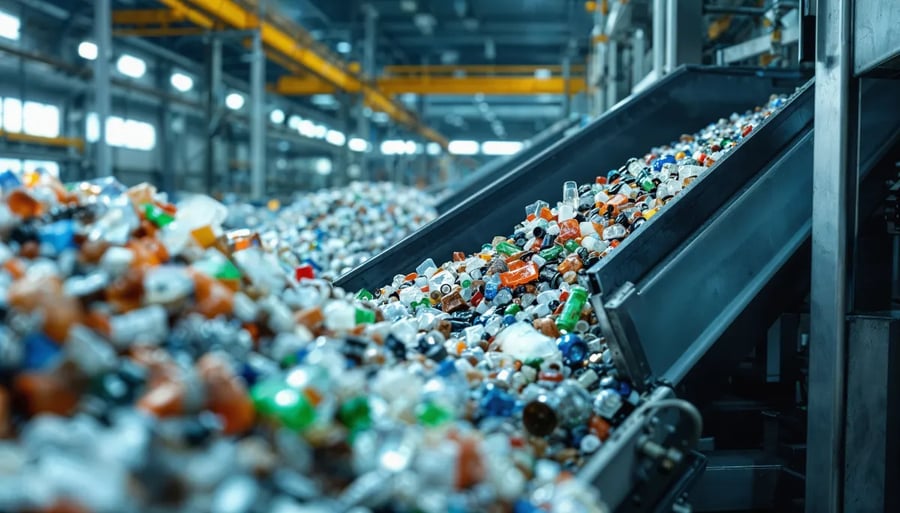
Plastic waste is a growing concern in many parts of the world today. Many industries are now focusing on better ways to handle and reuse plastic materials. One of the most effective solutions is plastic reprocessing, which helps reduce waste and conserve resources. It also supports cleaner production and a more sustainable future.
High-efficiency machines play a big role in making this process faster and more efficient. With the right equipment, businesses can improve both quality and output.
If you want to understand how these systems work, keep reading and explore the key machines involved in plastic reprocessing.
Advanced Sorting Systems for Better Material Separation
Sorting is the first step in plastic reprocessing. It helps separate different types of plastic materials. High efficiency sorting systems use sensors and automated controls. These systems reduce human error and increase speed.
Clean separation improves the quality of the final product. It also lowers contamination levels during processing. Many facilities now rely on optical sorting technology. This step ensures that only suitable materials move forward.
High-Speed Shredders for Consistent Size Reduction
Shredders break down plastic into smaller pieces. This makes it easier to handle in later stages. High-speed machines can process large volumes quickly. They produce uniform particle sizes for better results.
Consistency is important for smooth downstream processing. These machines are built to handle tough materials. They also help reduce energy use over time. Reliable shredders improve overall efficiency in the system.
Efficient Washing Systems for Cleaner Output
Washing systems remove dirt and contaminants from plastic waste. Clean material is important for high-quality reprocessing. Many facilities use a waste plastic washing machine to handle this step effectively.
These machines use water, friction, and motion to clean plastics. They can remove labels, oil, and other residues. Better cleaning leads to stronger recycled products. It also reduces damage to other machines. Proper washing improves the entire process from start to finish.
Friction Washers for Deep Cleaning Performance
Friction washers use high-speed rotation to clean plastic surfaces. This method removes stubborn dirt and grime. The process is simple but very effective. It uses less water compared to traditional systems.
The spinning motion creates strong cleaning action. This helps improve the purity of the material. Clean plastic is easier to melt and reshape. These machines are a key part of modern reprocessing lines.
Dewatering Machines for Moisture Control
After washing, plastic materials still contain water. Dewatering machines help remove excess moisture. They use centrifugal force to spin out water quickly. This reduces drying time in later stages.
Lower moisture levels improve processing efficiency. It also prevents defects in the final product. These machines are energy efficient and easy to operate. Proper drying is essential for consistent results.
Thermal Dryers for Final Drying Stage
Thermal dryers remove any remaining moisture from plastic flakes. They use heat and airflow to complete the drying process. Dry plastic is easier to melt and mold. This step improves product quality and consistency.
It also helps avoid bubbles and weak spots. Many systems use controlled temperatures for better results. Energy efficient designs reduce operating costs. A good drying system supports smooth production.
Extrusion Machines for Material Transformation
Extrusion machines melt plastic and reshape it into new forms. This is a core step in plastic reprocessing. The machine applies heat and pressure to the material. Melted plastic is then pushed through a mold or die.
This creates uniform shapes like pellets or strands. These forms are easy to reuse in manufacturing. High efficiency machines ensure stable output. Consistent extrusion improves product reliability.
Pelletizing Systems for Reusable Plastic Output
Pelletizing systems turn melted plastic into small pellets. These pellets are easy to store and transport. They are also widely used in manufacturing processes. High efficiency systems produce uniform pellet sizes.
This improves quality in final products. The process is fast and cost effective. It also reduces material waste. Pelletizing is an important final step in reprocessing.
Energy Efficient Motors for Reduced Costs
Modern machines use energy efficient motors to save power. This helps reduce operating expenses. Lower energy use also supports environmental goals. These motors provide strong performance with less waste.
They are designed for long term use. Reliable motors improve machine stability. They also reduce maintenance needs. Efficient systems help businesses stay competitive.
Automated Control Systems for Precision
Automation improves accuracy in plastic reprocessing. Control systems monitor and adjust machine settings. This ensures consistent performance at every stage. Operators can manage processes with ease.
Automated systems reduce human error. They also improve safety in the workplace. Real time data helps optimize operations. Precision control leads to better product quality.
Compact Machine Designs for Space Saving
Many facilities need to save space while maintaining output. Compact machine designs help solve this problem. These systems combine multiple functions in one unit. They are easy to install and operate.
Smaller machines still deliver strong performance. This makes them ideal for limited spaces. Efficient layouts improve workflow in the facility. Smart design supports better productivity.
Durable Materials for Long-Term Use
High efficiency machines are built with strong materials. This ensures long service life and reliability. Durable parts can handle heavy workloads. They also resist wear and tear over time.
Strong construction reduces the need for repairs. This helps lower maintenance costs. Reliable machines keep operations running smoothly. Long lasting equipment is a smart investment.
Quality Inspection Systems for Consistent Output
Quality inspection systems help ensure that the final plastic products meet required standards. These systems check for defects, contamination, and size consistency. They often use sensors and cameras to monitor materials in real time. This reduces the chance of faulty output reaching the next stage.
Consistent quality is important for reliable manufacturing use. Automated inspection also saves time and labor costs. It helps maintain high efficiency across the entire process. Strong quality control supports better results in plastic reprocessing.
Go for High-Efficiency Machines for Cleaner Plastic Reprocessing
Plastic reprocessing continues to play a key role in managing waste and supporting sustainability. The use of high-efficiency machines makes the process faster and more reliable. Each piece of equipment contributes to cleaner and better quality output.
From sorting to pelletizing, every step matters in achieving good results. Businesses that invest in the right systems can improve both performance and cost savings.
Cleaner processes also help protect the environment for future generations. As technology improves, plastic reprocessing will become even more effective and widely adopted.
Copyright © 2026 California Business Journal. All Rights Reserved.
For California Business Journal Disclaimers, go to /terms-conditions/.


